
BLOG
22 Creative Kindergarten Classroom Decor Ideas
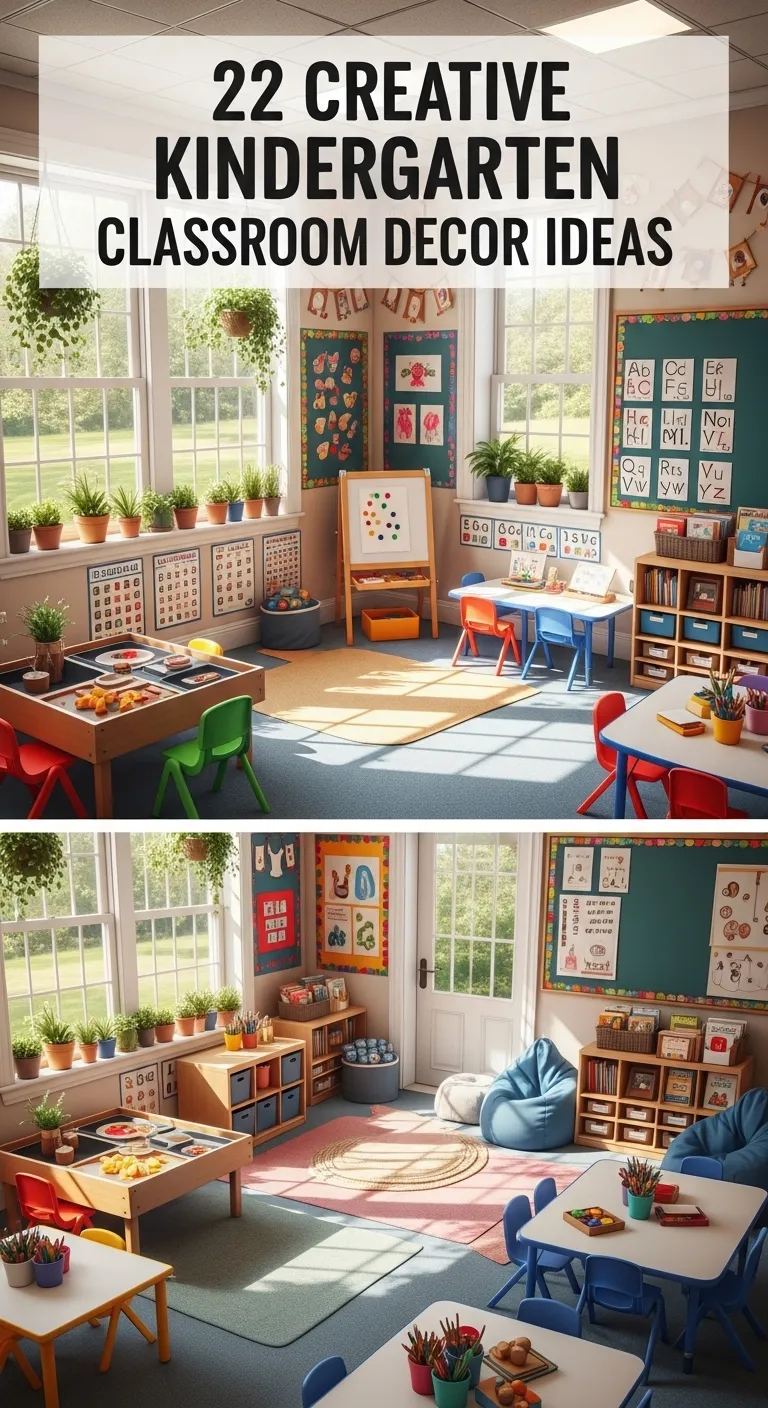
Designing a kindergarten classroom that is vibrant, welcoming, and highly functional is essential for inspiring young learners. Thoughtful classroom decor fosters exploration, creativity, and social interaction, while also establishing routines and supporting early academic growth. Creative kindergarten classroom decor combines fun, colorful elements with practical learning tools to create a balanced and stimulating environment. From interactive walls and themed corners to engaging bulletin boards, the goal is to make students feel motivated and excited about coming to school each day.
By strategically designing spaces, teachers can encourage children to actively participate in hands-on learning activities, develop literacy and numeracy skills, and cultivate curiosity about the world around them. Incorporating interactive elements such as learning centers, sensory stations, and cozy reading nooks ensures that students are engaged while supporting diverse learning styles. These 22 creative kindergarten classroom decor ideas provide practical inspiration to transform a standard classroom into an exciting, organized, and educational haven for young learners.
1. Alphabet Wall Displays
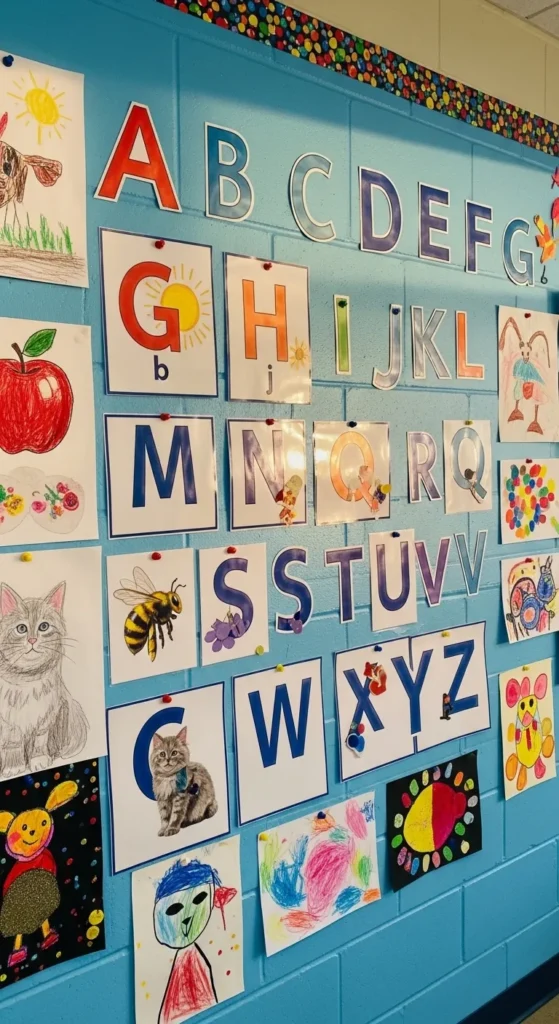
Alphabet wall displays are an engaging way to support early literacy skills in kindergarten classrooms. Each letter is paired with a visual cue, such as an object, animal, or student-created artwork, helping children make connections between letters, sounds, and words. The interactive nature of the display encourages students to reference letters during lessons, practice phonics, and build confidence in reading. A colorful and organized layout also adds vibrancy and energy to the classroom environment, making it welcoming for young learners.
Teachers can further involve students by allowing them to contribute personal artwork or objects that represent specific letters. Rotating visuals or highlighting a “letter of the week” creates excitement and encourages participation. Alphabet walls not only serve as functional learning tools but also reinforce classroom routines, such as morning activities, spelling exercises, and reading circles. As a foundational element of kindergarten classroom decor, they combine education, creativity, and playful design.
2. Number Line Wall
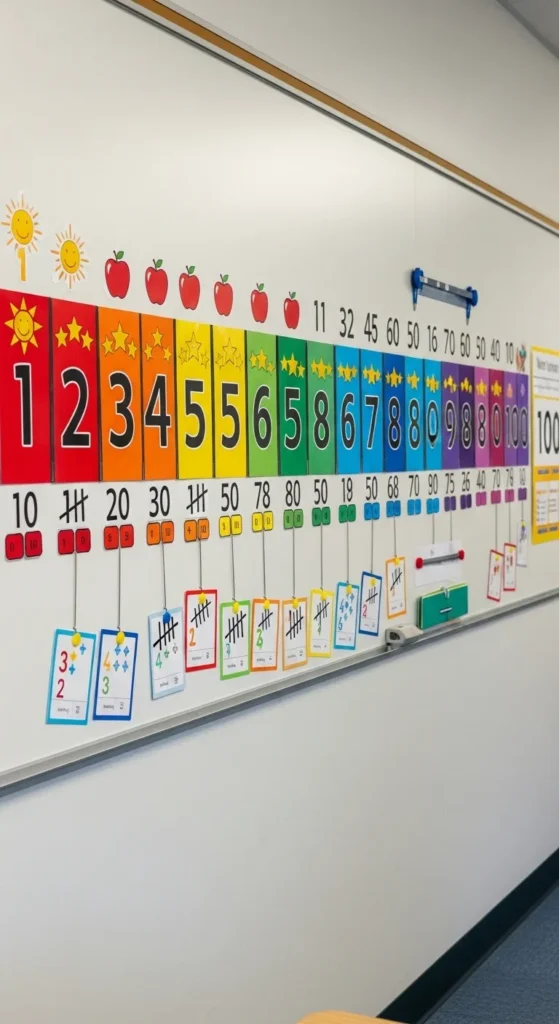
Number line walls are an essential visual aid for teaching math concepts in early education. A large, colorful number line that spans the classroom wall provides students with a constant reference for counting, addition, subtraction, and sequencing. Visual aids like icons, illustrations, or movable markers help children understand mathematical relationships and engage in hands-on learning. Number lines make abstract concepts concrete while maintaining a visually stimulating and organized classroom environment.
Teachers can incorporate interactive activities using the number line, such as student-led counting exercises, math games, or group challenges. Movable markers, magnetic numbers, or student-created visuals allow learners to actively participate in lessons, reinforcing numerical understanding. Regularly updating or rotating visuals ensures the display remains fresh and engaging. A number line wall is a core feature of kindergarten classroom decor ideas, blending practicality, interactivity, and visual appeal.
3. Reading Nook Corner
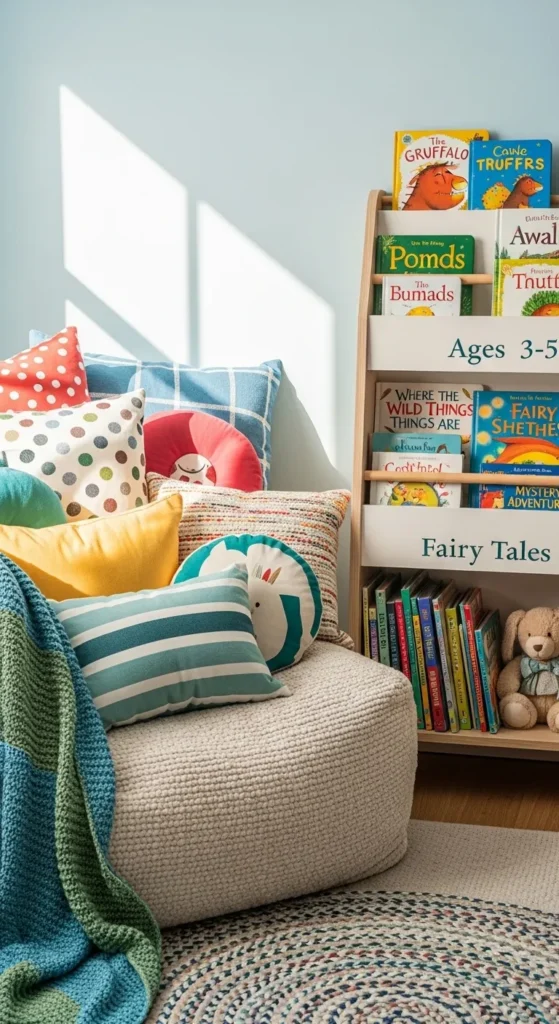
Reading nook corners provide a cozy and inviting space for students to develop literacy skills and a love for books. Low shelves, comfortable cushions, and age-appropriate storybooks make reading accessible and enjoyable. Children can engage in independent or guided reading, participate in storytelling sessions, and explore imagination while feeling safe and encouraged. The nook also promotes social interaction as students share stories or read in small groups, fostering collaboration and communication skills.
Teachers can refresh the reading corner weekly or monthly, rotating books based on themes, seasons, or lesson plans. Incorporating visuals, small props, or reading logs encourages accountability and motivation. Adding soft lighting, rugs, or themed decorations enhances comfort and makes the space visually appealing. A well-designed reading nook is a foundational element of kindergarten classroom decor ideas, supporting early literacy, engagement, and student-centered learning.
4. Colorful Bulletin Boards
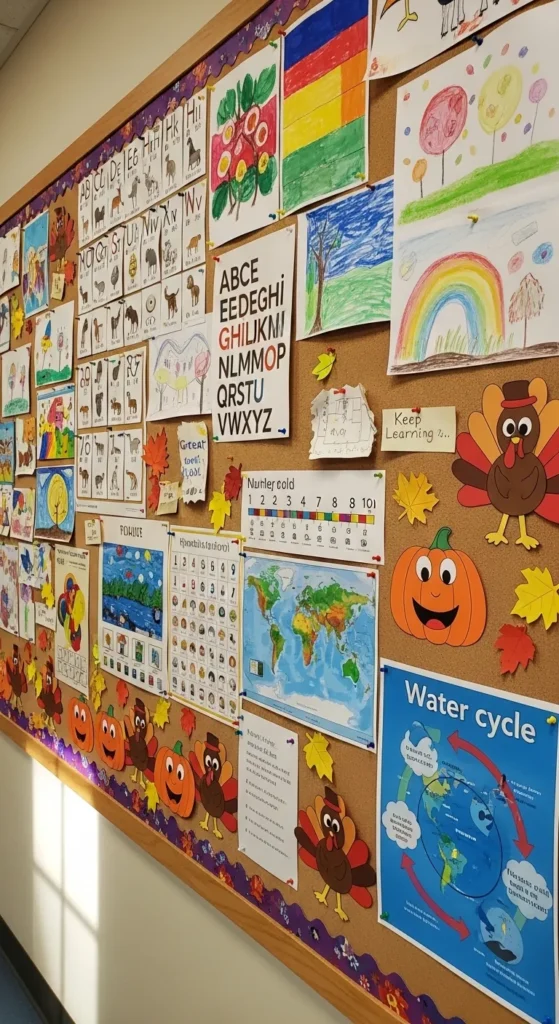
Bulletin boards offer a dynamic and versatile approach to decorating classrooms while reinforcing lesson content. Using bright colors, themed borders, and interactive displays, teachers can showcase student artwork, seasonal projects, and educational posters. These boards capture attention, make learning fun, and help reinforce concepts visually. By rotating materials frequently, students remain engaged and proud to see their contributions displayed. Bulletin boards also provide a structured way to highlight classroom achievements or special events.
Interactive elements such as flaps, movable visuals, and questions can encourage student participation and critical thinking. Students can also contribute to creating themed displays, fostering ownership and creativity. Bulletin boards function as both educational tools and decorative features, making them a core component of kindergarten classroom decor ideas. They enhance the classroom environment while supporting interactive learning and student engagement.
5. Themed Learning Centers
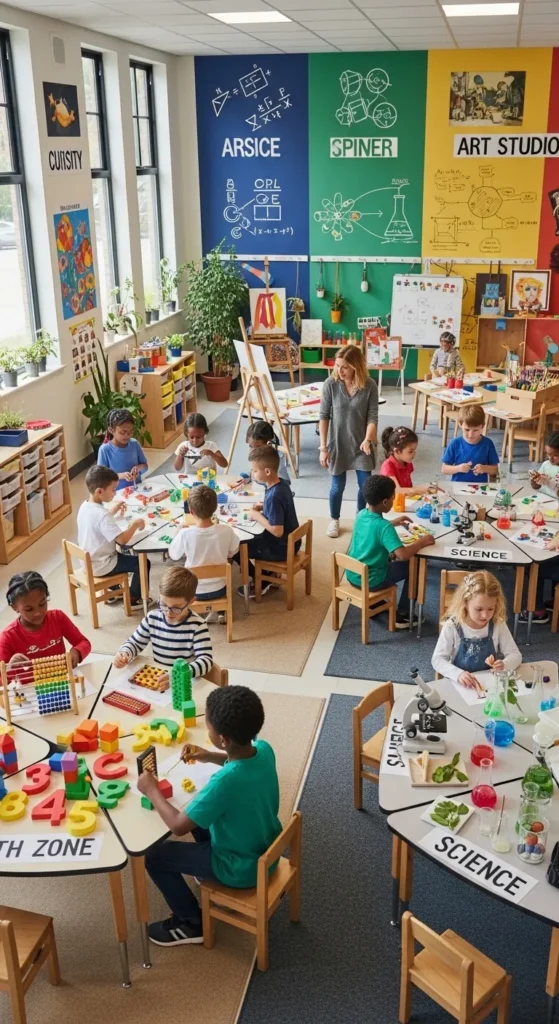
Themed learning centers create dedicated spaces for focused exploration of math, science, art, and literacy skills. Small tables or corners with hands-on activities encourage independent or collaborative learning, helping students develop problem-solving, creativity, and critical thinking skills. Organizing materials by theme ensures clarity and structure, making it easier for students to transition between activities and explore topics meaningfully.
Rotating the centers regularly keeps students motivated and introduces new learning challenges. Teachers can provide instructional prompts or activity guides, supporting inquiry-based learning while fostering curiosity. Learning centers allow students to learn through play, experimentation, and exploration, making them a cornerstone of kindergarten classroom decor ideas that combine fun, structure, and education seamlessly.
6. Classroom Job Chart
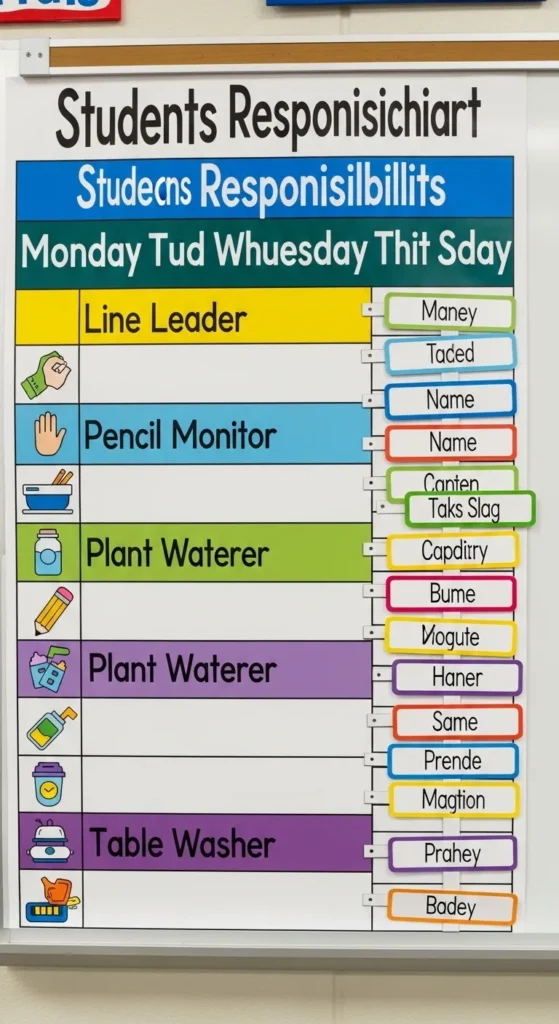
A classroom job chart promotes responsibility, teamwork, and independence among young learners. Assigning roles such as line leader, material helper, or attendance tracker teaches organizational skills and accountability. Bright visuals, student names, and rotating tasks make the chart interactive, helping children understand the value of contributing to a shared classroom environment.
The chart also reinforces routines and encourages participation throughout the day. Teachers can celebrate student achievements with stickers or markers when jobs are completed successfully, creating positive reinforcement. Classroom job charts are a practical, educational, and motivational element of kindergarten classroom decor ideas that cultivate leadership and collaboration skills.
7. Calendar Wall
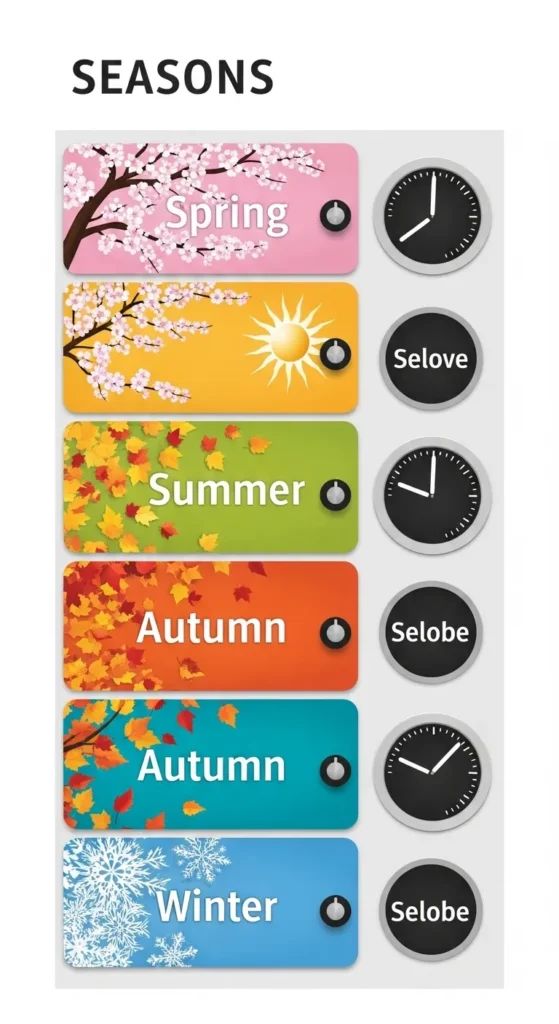
Calendar walls help children develop time awareness and understand the passage of days, weeks, months, and seasons. Large, colorful calendars with interactive elements such as birthday markers, weather symbols, or daily events make learning about dates engaging. Students can actively participate by updating the calendar, enhancing observation and fine motor skills while reinforcing routines.
Teachers can use the calendar for group discussions, counting exercises, or connecting lessons to real-world events. By regularly updating the calendar, students learn consistency, sequencing, and responsibility. Calendar walls are a vital component of kindergarten classroom decor ideas, supporting both academic learning and structured classroom management.
8. Science Exploration Corner
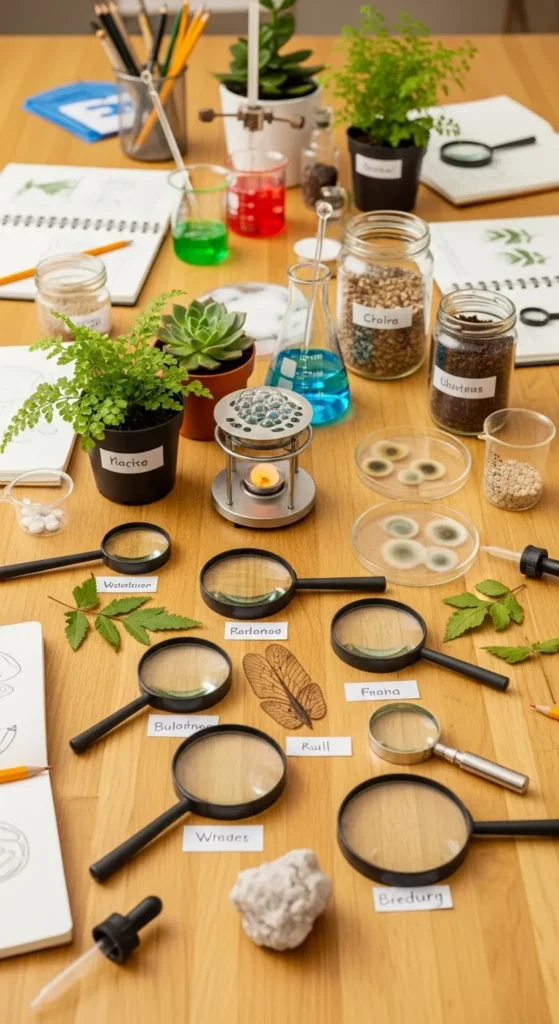
A science exploration corner encourages curiosity and hands-on learning for young learners. Stocking the area with magnifying glasses, plants, rocks, and simple experiments allows students to observe, explore, and ask questions. This interactive space fosters inquiry-based learning while introducing basic scientific concepts in a playful and engaging way. Students develop observational skills, learn to classify objects, and gain confidence in experimenting safely within a structured environment.
Rotating materials and themes keeps the corner fresh and exciting. Teachers can introduce seasonal projects, themed experiments, or interactive challenges to reinforce classroom lessons. Adding clear labels, visuals, and prompts helps students understand processes while encouraging teamwork. A well-planned science exploration corner is an essential element of kindergarten classroom decor ideas, blending education, creativity, and engagement.
9. Art Display Wall
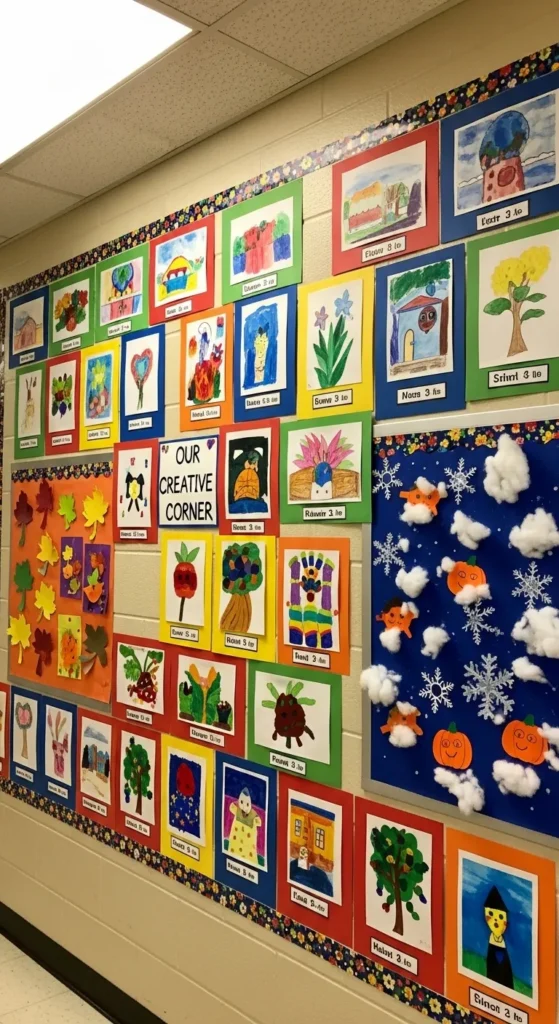
An art display wall celebrates student creativity while brightening the classroom environment. Featuring rotating artwork, seasonal projects, and student-made crafts allows children to take pride in their creations. Labeling pieces with names and project descriptions helps foster ownership and encourages discussion among peers, enhancing social and verbal skills. The visual impact of colorful displays also adds vibrancy, making the classroom feel welcoming and stimulating for learners.
Teachers can rotate displays weekly or monthly, highlighting new techniques or themes to maintain interest. Incorporating student feedback or collaborative projects increases engagement and encourages experimentation. Art walls serve as both educational and decorative features, making them a vital part of kindergarten classroom decor ideas that inspire creativity, confidence, and aesthetic appreciation.
10. Shapes and Colors Wall
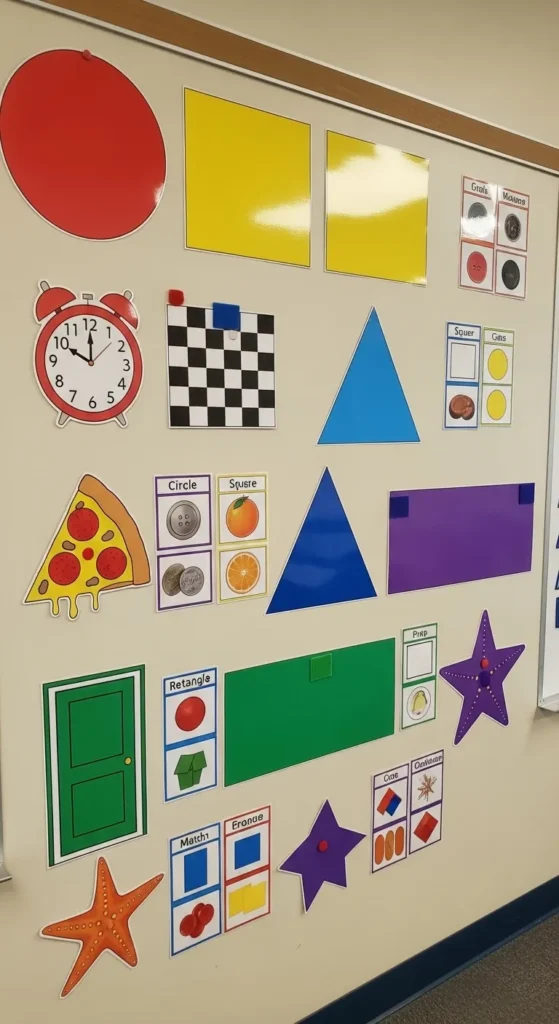
A shapes and colors wall introduces fundamental visual and mathematical concepts in a fun, interactive way. Using bright geometric shapes, colorful visuals, and matching student-created items reinforces pattern recognition, sorting, and color identification skills. Students can engage directly with the wall through activities like matching, grouping, or hands-on games, making learning tactile and memorable.
Rotating activities and updating shapes keeps the display fresh and engaging. Teachers can integrate lesson themes, seasonal colors, or holiday-based activities to enhance relevance. Shapes and colors walls are a key component of kindergarten classroom decor ideas, merging learning with playful, hands-on design to support early cognitive development and visual literacy.
11. Interactive Whiteboard Area
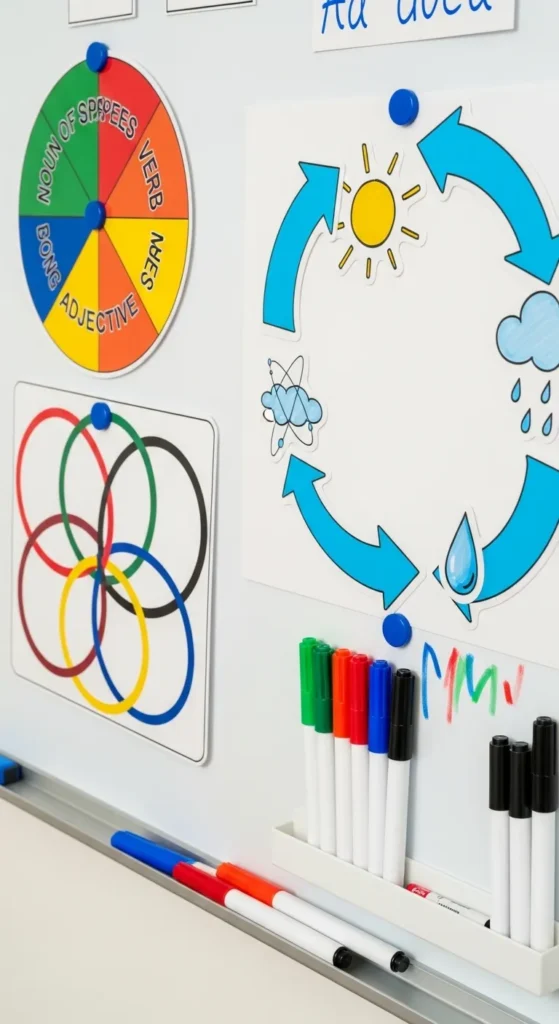
Interactive whiteboard areas provide a flexible, dynamic space for instruction and student participation. Magnets, markers, and manipulatives allow students to engage with lessons visually and physically, supporting collaboration and active learning. These areas encourage problem-solving, drawing, labeling, and group brainstorming activities, keeping children attentive and involved in the lesson.
Teachers can rotate topics, post questions, or incorporate games on the whiteboard to reinforce concepts. Students can contribute ideas, write answers, or illustrate stories, making lessons interactive and memorable. Interactive whiteboard areas are an essential feature of kindergarten classroom decor ideas, blending engagement, flexibility, and visual learning effectively.
12. Nature-Inspired Corner
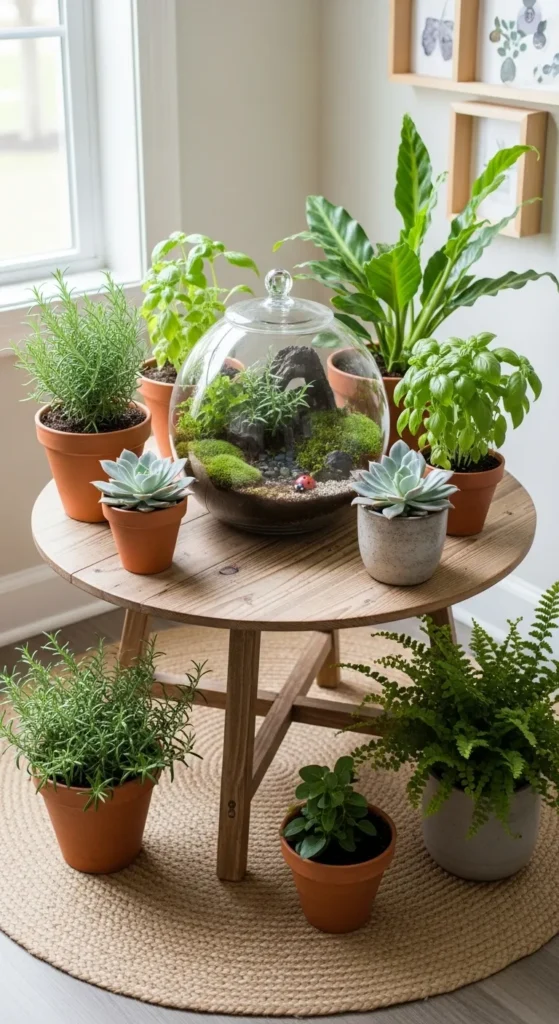
A nature-inspired corner brings elements of the outdoors inside, fostering exploration and connection to the natural world. Incorporating plants, leaves, natural textures, and thematic decorations allows students to observe life cycles, ecosystems, and environmental concepts. Hands-on activities such as planting seeds or observing insects promote curiosity, responsibility, and scientific thinking.
Teachers can rotate natural specimens, seasonal materials, or observation projects to keep the corner engaging. Journals, magnifying glasses, and interactive prompts enhance learning by encouraging students to record observations and ask questions. Nature-inspired corners are a vital part of kindergarten classroom decor ideas, combining sensory exploration with environmental education.
13. Reading Tree Display
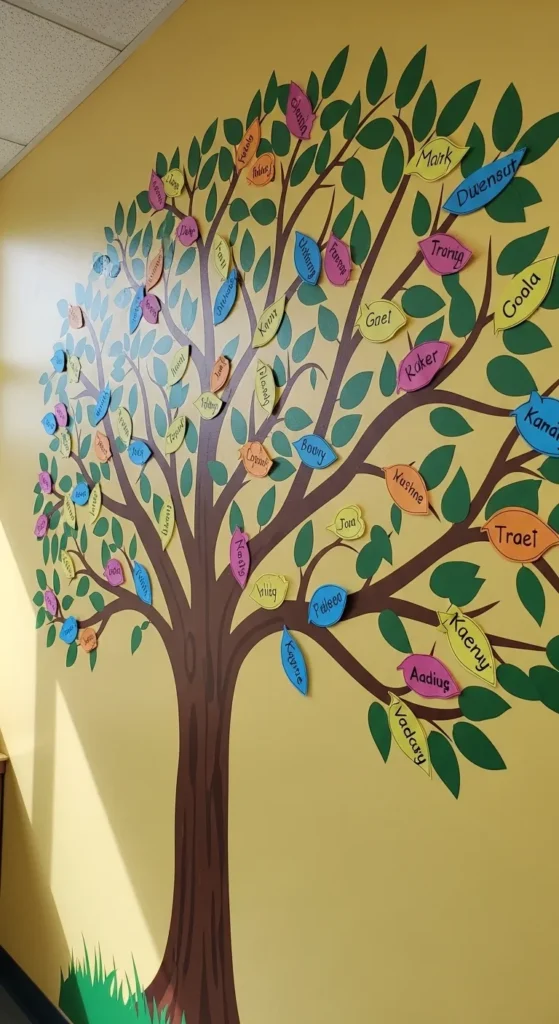
A reading tree display visually tracks student reading achievements while motivating literacy growth. Each leaf or branch can represent a completed book, milestone, or reading goal, fostering a sense of accomplishment. This interactive design encourages students to participate actively and celebrate their progress alongside peers.
Teachers can update the tree regularly, introducing seasonal themes, new goals, or student artwork as leaves. Displaying the reading tree prominently builds classroom pride, inspires friendly competition, and creates a visually engaging focal point. Reading tree displays are a creative and educational element of kindergarten classroom decor ideas, combining motivation, literacy, and aesthetics.
14. Seasonal Decor Displays
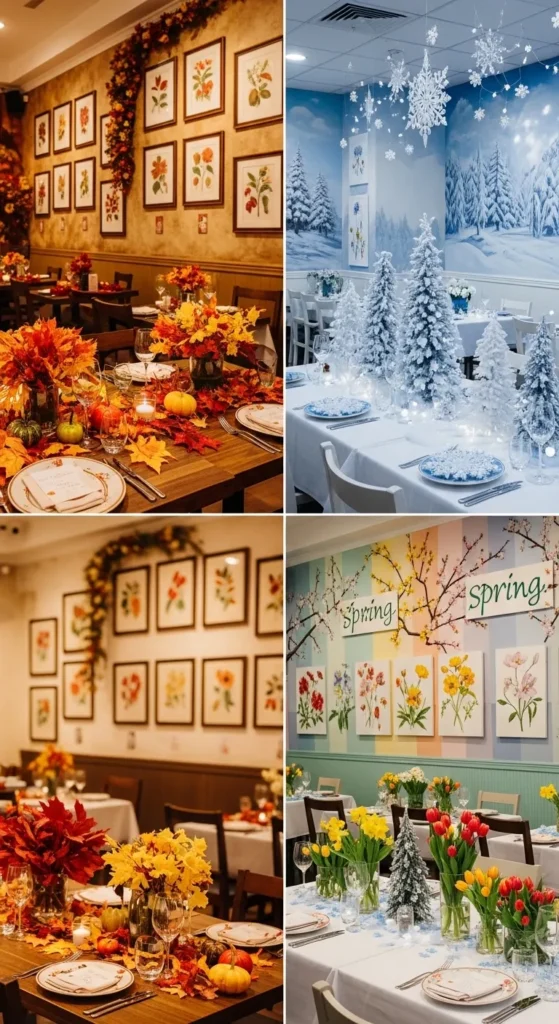
Seasonal decor displays create a dynamic learning environment by connecting lessons to real-world events and holidays. Autumn leaves, winter snowflakes, spring flowers, and summer themes provide opportunities for hands-on crafts and collaborative activities, making lessons more interactive and memorable. Visual changes also stimulate engagement and excitement for students.
Teachers can involve students in creating decorations, fostering creativity and teamwork. Rotating seasonal displays teaches children about the passage of time, cultural celebrations, and environmental changes. Seasonal decor is a key component of kindergarten classroom decor ideas, enhancing aesthetics, reinforcing themes, and keeping the classroom lively throughout the year.
15. Classroom Rules Posters
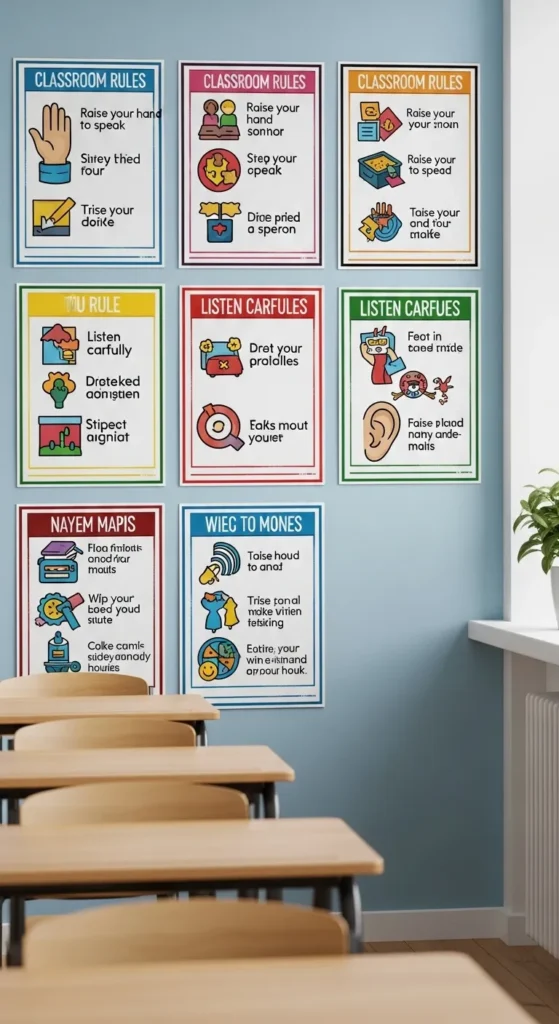
Classroom rules posters communicate expectations clearly while supporting positive behavior. Using bright visuals, illustrations, and icons ensures young learners can understand and remember the rules. Posting rules in a prominent location provides consistent reminders and reinforces structured behavior management.
Teachers can use the posters to recognize student compliance, reward positive actions, and facilitate discussions about classroom norms. Rotating visual cues or thematic illustrations keeps the posters relevant and engaging. Classroom rules posters are an essential component of kindergarten classroom decor ideas, promoting organization, responsibility, and a respectful learning environment.
16. Music and Movement Area
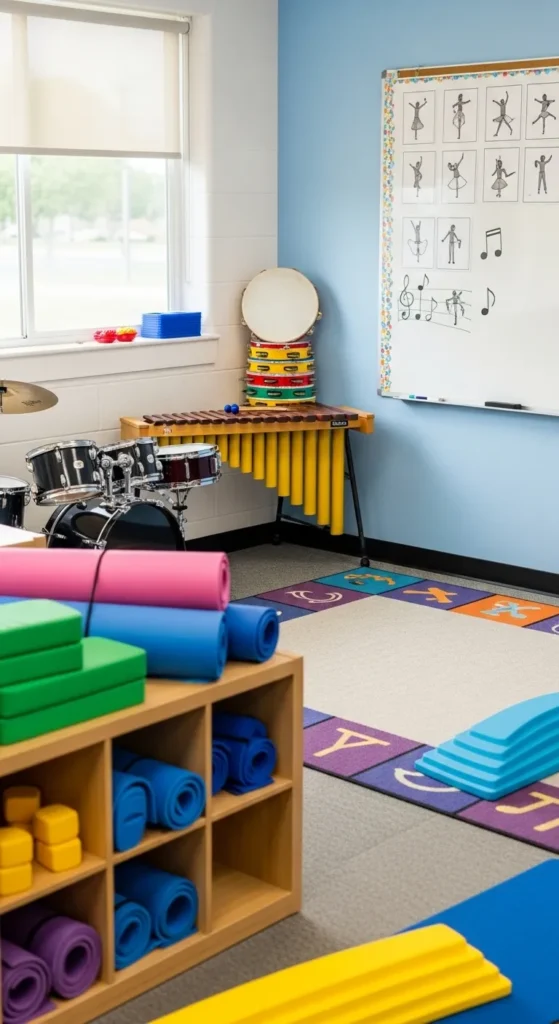
A music and movement area supports physical, cognitive, and social development in kindergarten classrooms. Incorporating instruments, mats, and space for movement-based activities encourages rhythm, coordination, and creative expression. Students engage in singing, dancing, and interactive exercises that reinforce concepts through kinesthetic learning.
Teachers can use themed music sessions, movement games, or group choreography to enhance engagement and cooperation. Rotating activities and instruments keeps the space fresh and exciting. Music and movement areas are a vital part of kindergarten classroom decor ideas, combining sensory stimulation, fun, and developmental growth.
17. Counting and Math Wall
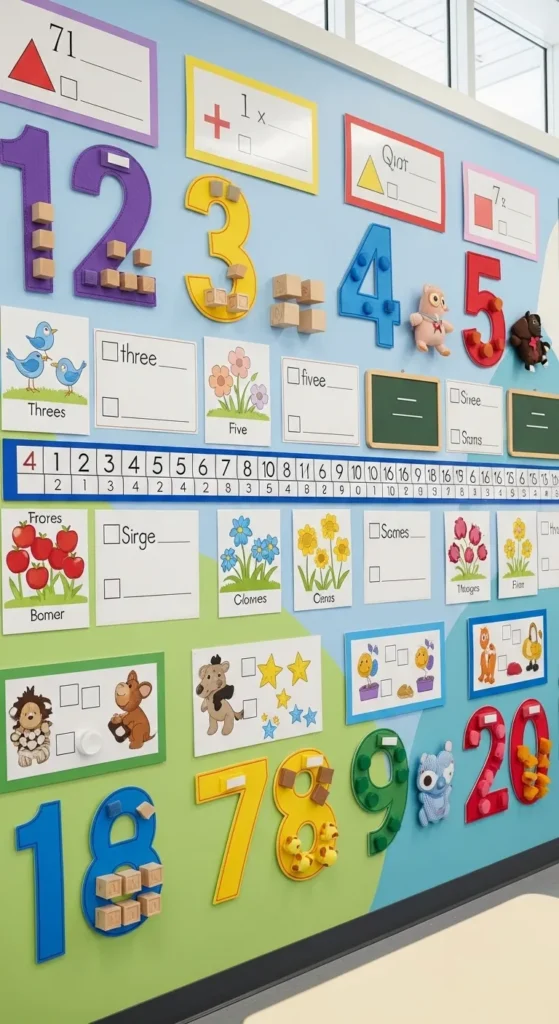
Counting and math walls provide a visually engaging reference for early numeracy skills. Featuring numbers, counting objects, and interactive visuals allows students to practice addition, subtraction, sequencing, and problem-solving in a hands-on manner. Bright colors and clear labels make math approachable and fun.
Teachers can enhance the wall with manipulatives, movable numbers, and group challenges to encourage participation and collaboration. Updating activities or introducing thematic math games ensures continuous engagement. Counting and math walls are a central component of kindergarten classroom decor ideas, combining visual appeal with essential numeracy development.
18. Student Work Gallery
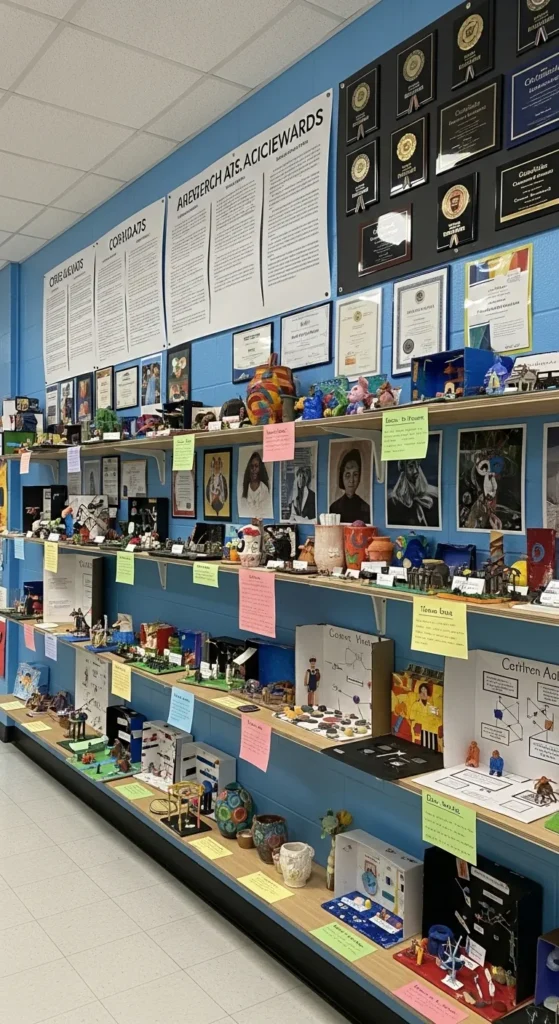
Student work galleries celebrate creativity and learning achievements while personalizing the classroom. Displaying artwork, projects, and crafts highlights student effort, instills pride, and motivates learners to excel. Rotating featured work ensures that all students are recognized, creating an inclusive and engaging environment.
Teachers can organize displays by theme, season, or subject area, integrating student reflections or project descriptions. Galleries encourage collaboration, discussion, and appreciation of peer work. Student work galleries are a fundamental element of kindergarten classroom decor ideas, blending visual stimulation, recognition, and educational reinforcement.
19. Sensory Play Corner
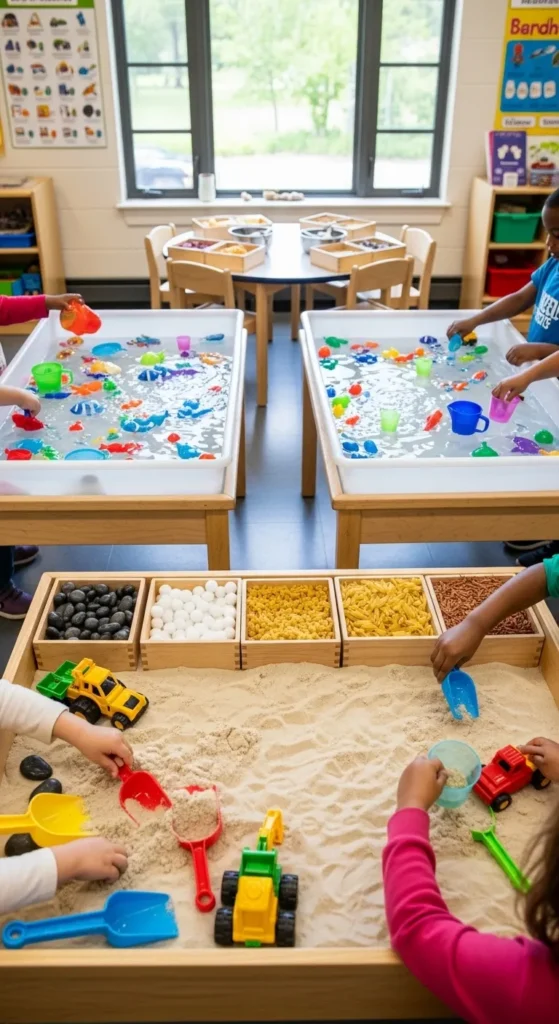
Sensory play corners support early cognitive, motor, and social development through hands-on exploration. Materials such as sand, water, tactile objects, and manipulatives allow students to investigate textures, patterns, and cause-effect relationships. Interactive experiences strengthen problem-solving, creativity, and collaboration skills.
Teachers can rotate materials regularly, introduce new sensory challenges, or link activities to lesson themes. Clear organization and guidance ensure safe and productive play. Sensory play corners are a vital feature of kindergarten classroom decor ideas, combining learning, engagement, and multi-sensory exploration effectively.
20. Classroom Calendar Wall
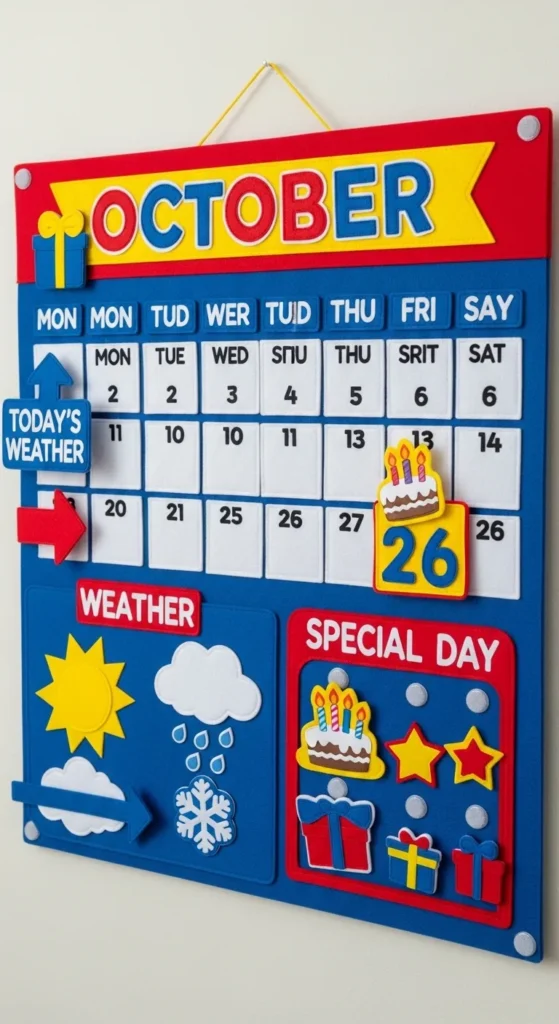
A classroom calendar wall provides a central visual tool to teach time, dates, months, and seasonal changes. Interactive elements such as weather symbols, birthday markers, or student participation activities reinforce daily routines and observation skills, making learning about time hands-on and engaging.
Teachers can incorporate group activities, counting exercises, or discussions related to the calendar to enhance comprehension. Updating the calendar regularly introduces students to sequencing, planning, and responsibility. Calendar walls are an essential component of kindergarten classroom decor ideas, combining learning, structure, and interactive participation.
21. Behavior Chart Display
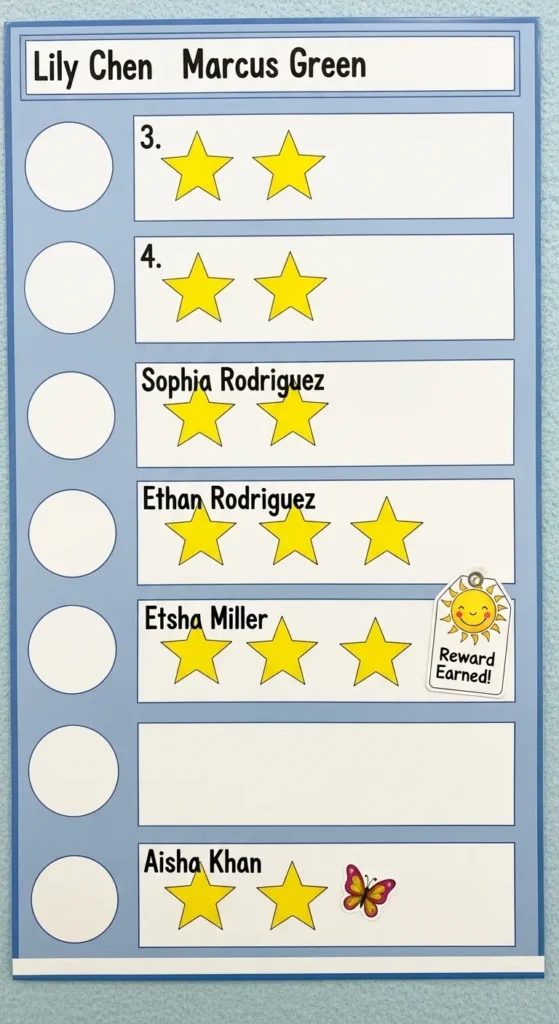
Behavior chart displays visually track student progress, encourage positive actions, and reinforce classroom rules. Using visual indicators, icons, or stickers provides clear feedback and motivates students to follow expectations. The chart supports the development of accountability, self-regulation, and social-emotional skills.
Teachers can rotate rewards, set daily or weekly goals, and involve students in monitoring their progress to foster engagement. Behavior charts provide a structured, motivating, and celebratory approach to classroom management. They are an important feature of kindergarten classroom decor ideas, blending visual appeal with social-emotional learning
22. Welcome Door Display
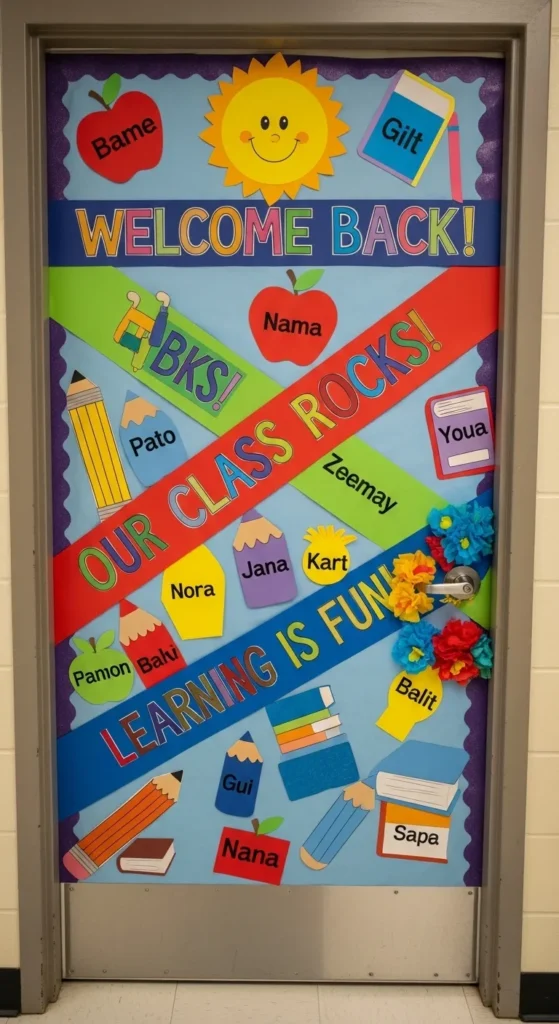
A welcoming door display creates an inviting first impression for students entering the classroom. Personalized elements such as student names, banners, and themed decorations foster a sense of belonging and community. It sets a positive tone, making students excited to learn each day.
Teachers can rotate themes, update student contributions, or celebrate seasonal events to keep the entrance fresh and engaging. A creative and colorful door display reflects the classroom’s personality while providing a visually stimulating entry point. Welcome door displays are a fun and essential element of kindergarten classroom decor ideas, combining aesthetics with inclusivity and warmth.
Conclusion
Creative classroom decor enhances learning, engagement, and social development in kindergarten classrooms. By incorporating these 22 ideas, teachers can create an organized, stimulating, and visually appealing environment where students feel motivated to learn, explore, and collaborate. From interactive walls and learning centers to sensory corners and seasonal displays, each element supports academics, personal growth, and emotional development while fostering a love for school.
Thoughtful design and careful planning of classroom decor also encourage student participation, responsibility, and creativity. Rotating displays, updating activities, and providing hands-on interactive elements keeps the classroom dynamic and engaging. Implementing these strategies transforms a standard learning space into a welcoming, playful, and educational environment that inspires curiosity, confidence, and community among young learners every day.
Related Posts
24 Boho Chic Classroom Decor Ideas
-
Posted by
snighatfatima99@gmail.com