

BLOG
22 Christmas Tree Light Calculator The Ultimate Guide

When it comes to decorating your Christmas tree, getting the right number of lights is key to achieving that perfect holiday glow. A Christmas tree light calculator helps you determine the ideal number of lights based on the size of your tree, ensuring your tree is beautifully lit without overdoing it. In this ultimate guide, we’ll walk you through the best practices for calculating Christmas tree lights, providing you with 22 useful tips and methods for achieving the most dazzling tree this season.
1. Standard Light Recommendations by Tree Height
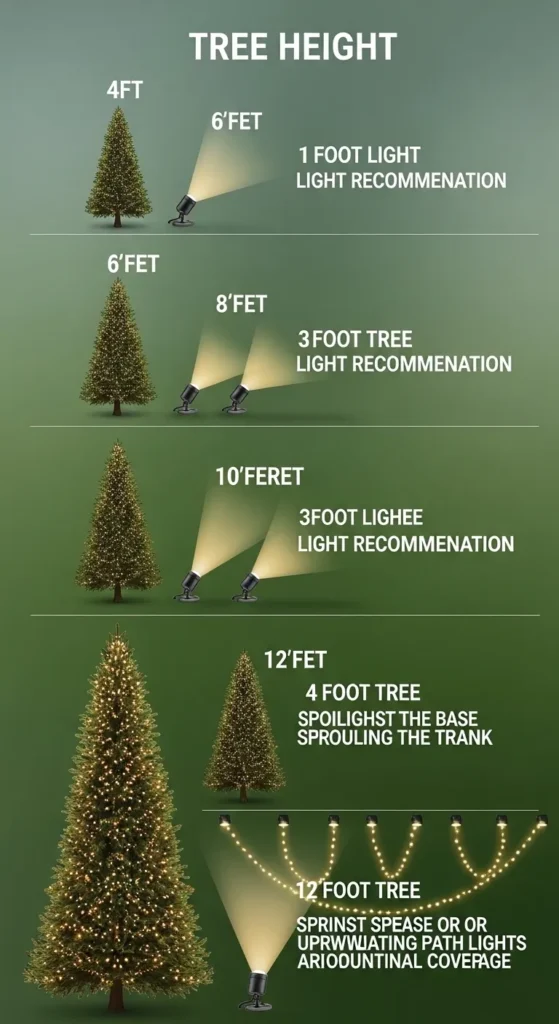
When it comes to Christmas tree lighting, the height of your tree plays a major role in determining how many lights you’ll need. For smaller trees around 4 feet, 200 to 300 lights are typically recommended, while larger trees, such as 12 feet tall, require anywhere from 1,000 to 1,500 lights. This basic guideline ensures your tree will be beautifully lit without too few or too many lights.
The number of lights is often measured by the wattage or the number of bulbs per strand. String lights come in different wattages, with LED lights generally being more energy-efficient, allowing you to use more lights without significantly increasing your electricity bill. Always check the wattage and the recommended number of lights for your specific tree height for optimal coverage.
2. LED vs. Incandescent Lights
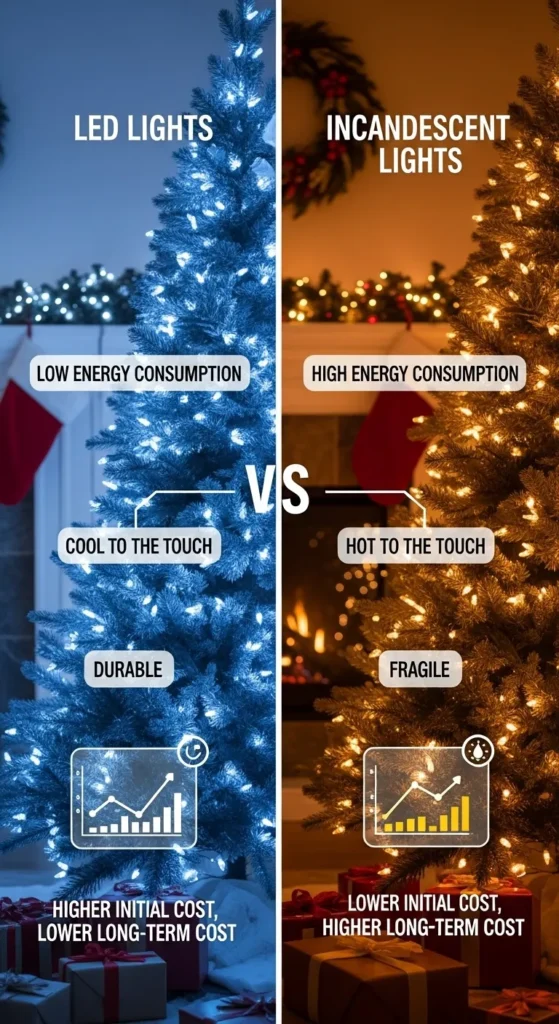
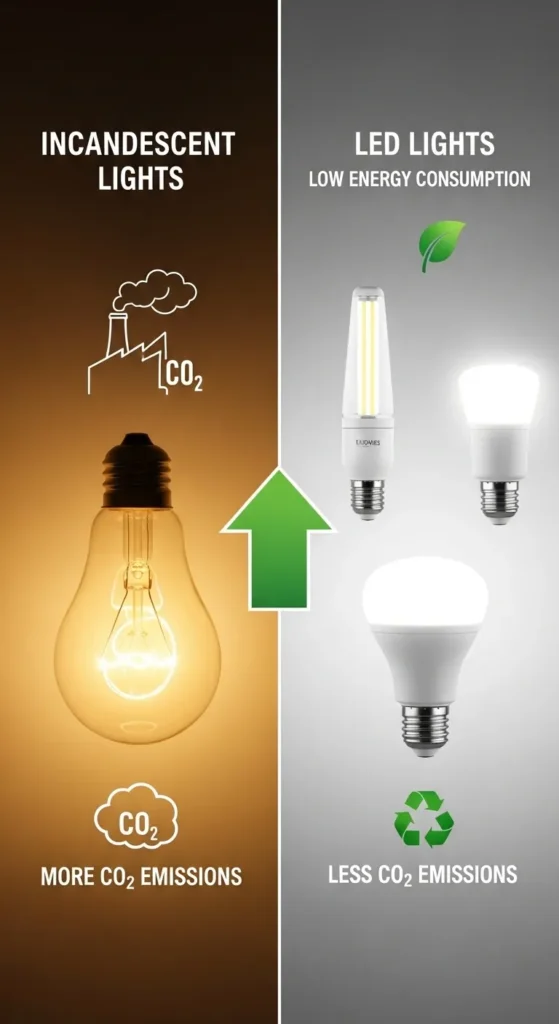
When choosing lights for your Christmas tree, you’ll face the decision between LED and incandescent lights. LED lights are energy-efficient, using up to 75% less energy than traditional incandescent bulbs. While LED lights tend to be more expensive initially, they last longer and require fewer strands for the same brightness, which makes them a cost-effective option in the long run.
Incandescent lights, while providing a warm, traditional glow, are less energy-efficient and may require more strands to achieve the same effect as LEDs. Additionally, they generate more heat, which can be a concern when used in large quantities. However, incandescent lights can still create a nostalgic, classic feel that many people associate with Christmas. Choosing between LED and incandescent lights depends on your priorities—energy efficiency versus traditional warmth.
3. How to Calculate Lights for a 6-Foot Tree
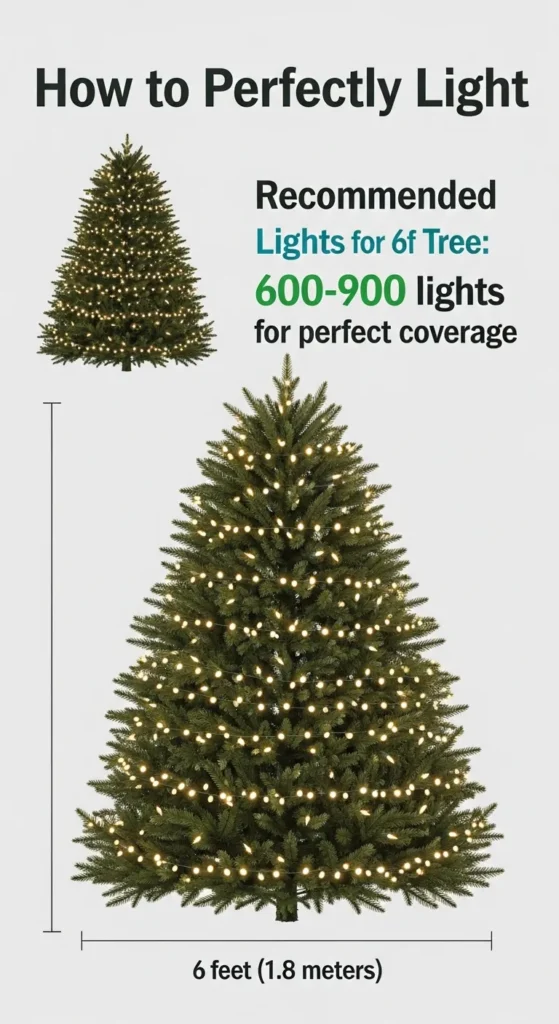
For a 6-foot Christmas tree, you’ll need approximately 600 to 900 lights for optimal coverage. This number ensures that the lights are evenly spread across the tree, creating a balanced, dazzling effect. If you prefer a more subtle glow, you can opt for the lower end of the range, while the upper range will give your tree a brighter, more intense look.
To calculate the number of lights needed, consider how densely you want your tree to be lit. A general rule of thumb is 100 lights per foot of tree height. For example, a 6-foot tree would require 600 lights. However, if you like a more festive, sparkling effect, you may want to go closer to 900 lights. Always account for your preference for brightness and tree density when making your decision.
4. Full Coverage Lighting
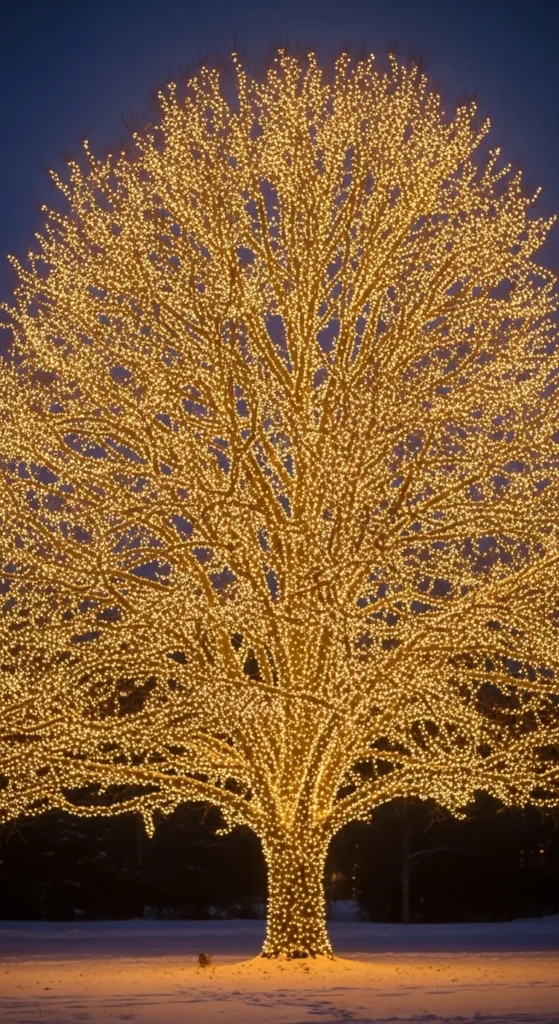
Full coverage lighting ensures that every part of your Christmas tree is evenly illuminated, creating a uniform glow from top to bottom. To achieve full coverage, you’ll need to wrap the lights around the tree in both vertical and horizontal directions, layering the strands for a rich, radiant effect. Depending on the tree’s size and type of lights used, you may need additional strands to achieve this look.
For a fuller look, make sure you place lights in the interior branches of the tree as well as the outer ones. This method gives depth and warmth, especially if you use multi-colored or warm white lights. Keep in mind that LED lights are often brighter and more focused, so they may provide more coverage with fewer strands, making them ideal for full coverage lighting.
5. Brightness and Wattage Considerations
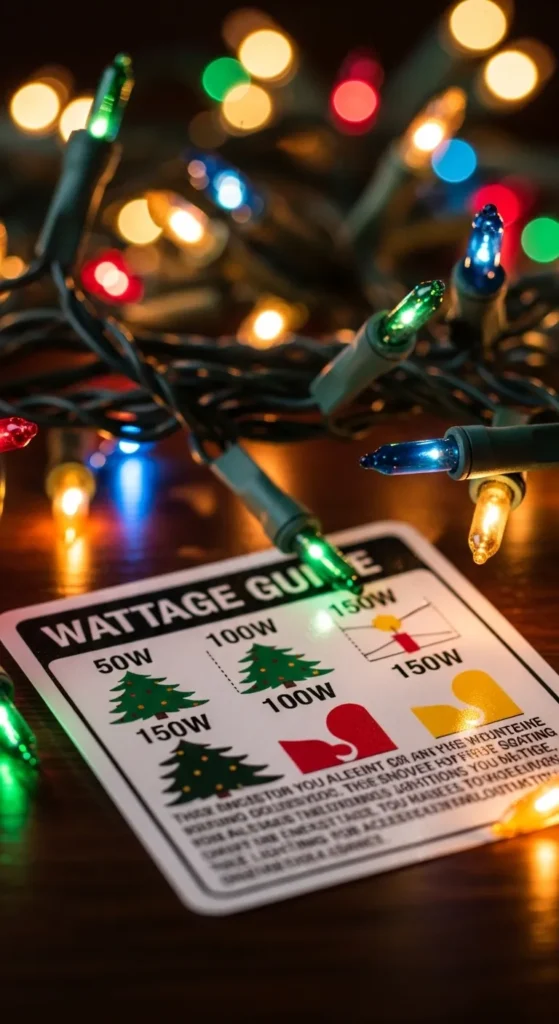
The brightness of your Christmas tree lights is determined by both the wattage of the bulbs and the number of strands used. Incandescent lights tend to have a higher wattage and produce more heat, while LED lights use less wattage but still provide a bright, crisp glow. When calculating the lights for your tree, you’ll want to balance brightness with energy consumption.
For a bright, festive effect, it’s essential to select bulbs with the appropriate wattage for your tree size. Typically, LED lights have a lower wattage compared to incandescent bulbs, so you can use more strands without worrying about excess energy usage. To determine the right brightness, consider your desired effect—whether you prefer a soft, ambient glow or a brilliant, sparkling display—and choose your lights accordingly.
6. String Length and Bulb Count
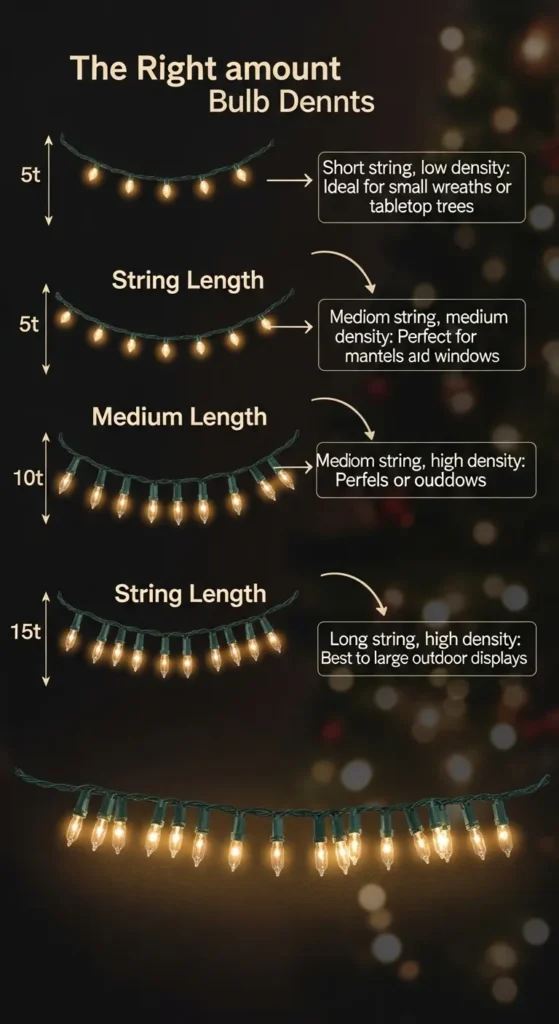
When selecting string lights for your tree, both the length of the string and the bulb count per strand will impact how many lights you need. String length refers to how much space is covered by each strand of lights, while the bulb count determines how densely packed the lights are on the string.
For a 6-foot tree, a typical string length of 25 feet is usually recommended, with about 100 bulbs per strand. Depending on the style you prefer, you can adjust this by adding more strands or opting for longer strings to ensure your tree is covered adequately. For a brighter, fuller look, consider strings with a higher bulb count, ensuring even coverage from top to bottom.
7. How Many Lights for a 9-Foot Tree
For a 9-foot Christmas tree, you will need around 900 to 1,200 lights, depending on your preferred brightness and coverage. A general rule is to use about 100 lights per foot of tree height, so a 9-foot tree requires approximately 900 lights. If you want a brighter, more intense display, you can use closer to 1,200 lights.
When calculating how many lights for a larger tree, consider using multiple strands of lights and wrapping them in layers around the branches for full coverage. This method ensures that the lights are evenly distributed, making your tree shine brightly from every angle. The extra lights will create a vibrant and festive atmosphere that enhances the holiday spirit.
8. Proportions of Lights for Large Trees
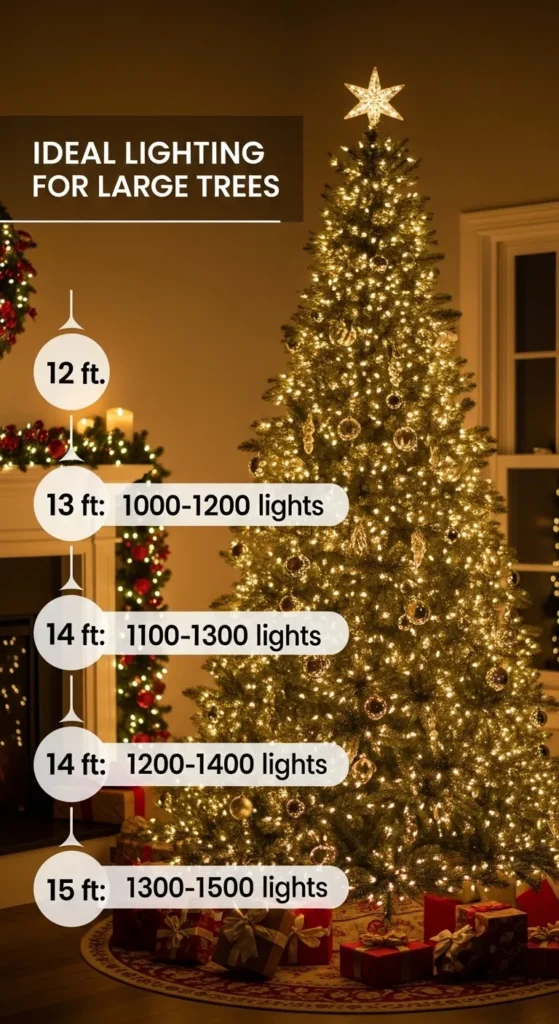
For larger trees, such as those between 12 and 15 feet, the number of lights required increases significantly. You may need anywhere from 1,200 to 2,000 lights for full coverage. Larger trees require more strands to achieve the desired brightness and create a balanced, visually appealing effect.
When lighting large trees, consider using a mix of smaller lights for finer coverage and larger bulbs for a more striking look. The goal is to cover every inch of the tree, from the trunk to the tips of the branches, to create a radiant, sparkling effect. Additionally, the higher the tree, the more strands and higher wattage you may need to fill the space effectively.
9. Energy-Efficient LED Lights
LED lights are becoming the standard choice for Christmas tree lighting due to their energy efficiency and long-lasting performance. While they may cost a bit more upfront, LED lights use up to 75% less energy than traditional incandescent bulbs, making them an excellent choice for homeowners looking to reduce their holiday energy consumption.
LED lights also last much longer than incandescent bulbs, meaning fewer replacements and reduced waste. Despite their lower energy use, they still provide a bright, vibrant glow, ensuring your tree will sparkle beautifully without consuming too much power. The use of LED lights is not only cost-effective but also environmentally friendly, making them the ideal choice for eco-conscious decorators.
10. How to Avoid Overcrowding Lights
When decorating your Christmas tree with lights, it’s important to avoid overcrowding the strands. Too many lights on a small tree can result in excessive brightness, which detracts from the overall aesthetic and can make your tree look too busy.
To avoid overcrowding, space the lights evenly across the branches, ensuring a uniform glow. Start at the base of the tree and work your way up, wrapping the lights around the trunk and into the branches. If you want a brighter look, opt for more lights rather than crowding them together. The key is balance, ensuring that each section of the tree gets adequate lighting without overwhelming the overall effect.
11. Light Styles and Colors
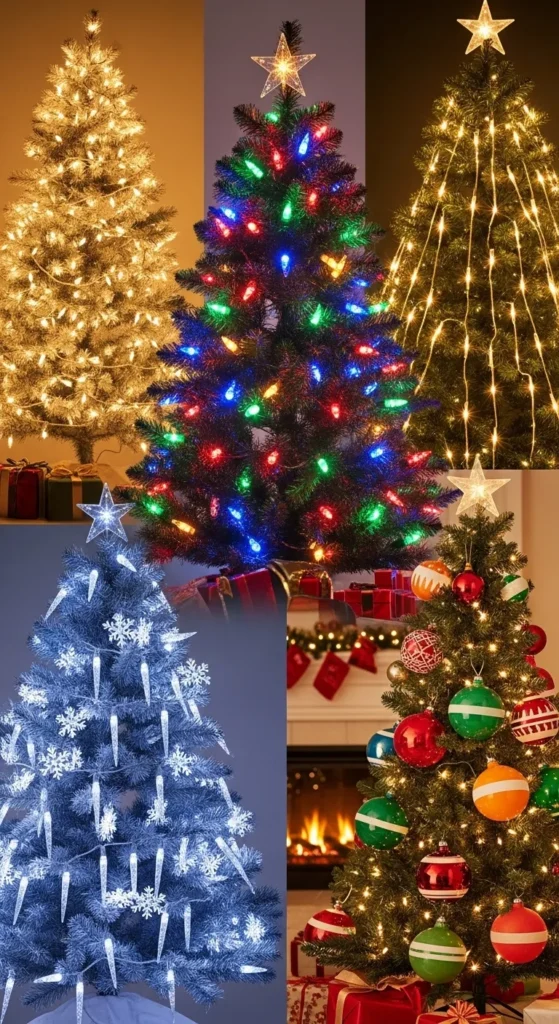
The style and color of your Christmas tree lights can significantly impact the overall aesthetic of your tree. Warm white lights create a classic, cozy feel, while multicolored lights add a festive, lively atmosphere. Choosing between clear, frosted, or colored bulbs also adds to the personality of the display.
When selecting lights, consider your overall theme and desired effect. For a traditional look, warm white lights are ideal, while colored lights work well for a more vibrant, playful tree. Additionally, you can use themed lights, such as blinking or chasing lights, to create dynamic patterns on the tree. Select light styles and colors that complement your tree decorations for a cohesive holiday look.
12. How to Measure Tree Size for Light Calculation
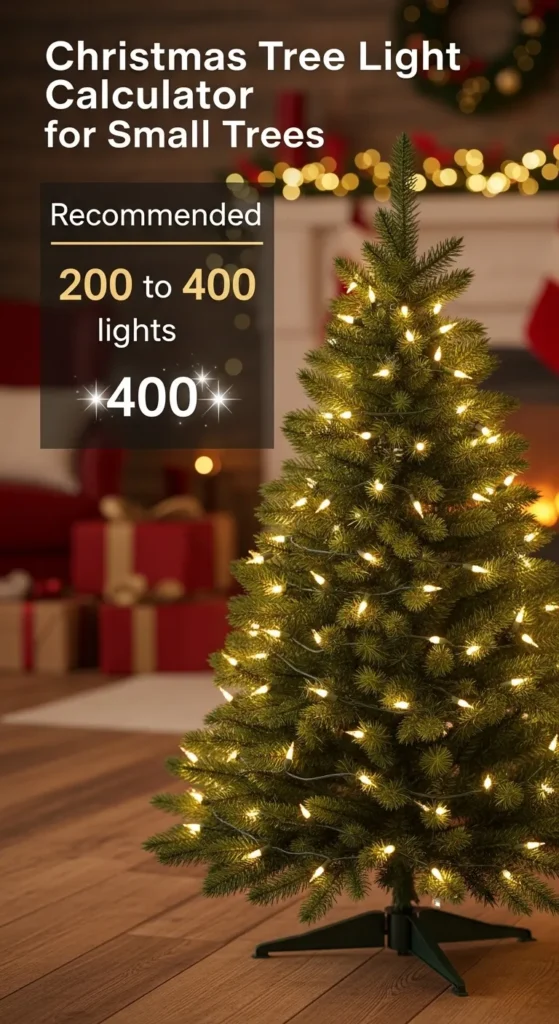
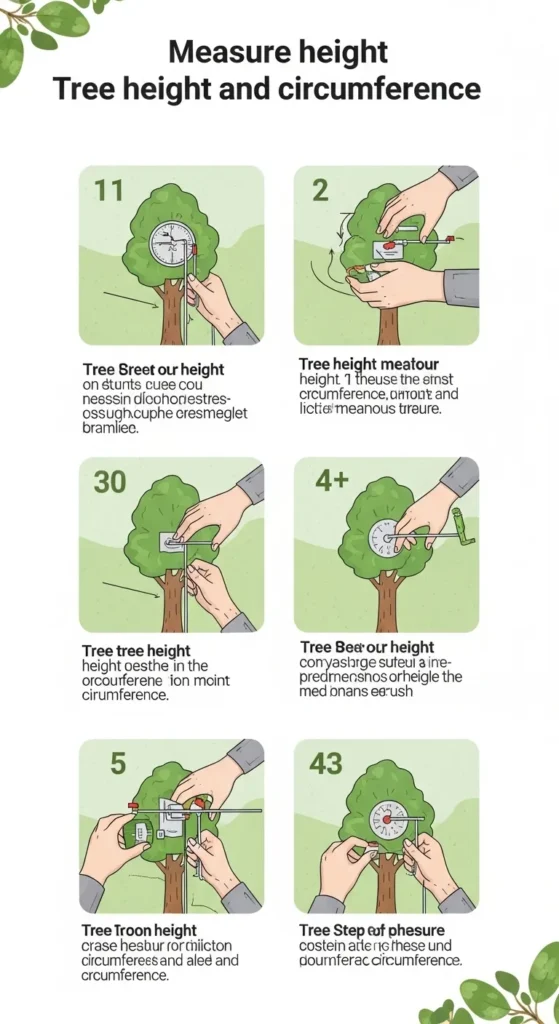
To calculate the number of lights you need for your Christmas tree, it’s essential to measure both the height and circumference of the tree. Measure the height from the floor to the top of the tree and the circumference around the widest part of the tree. This information will help you determine how many strands of lights you need based on your preferred density.
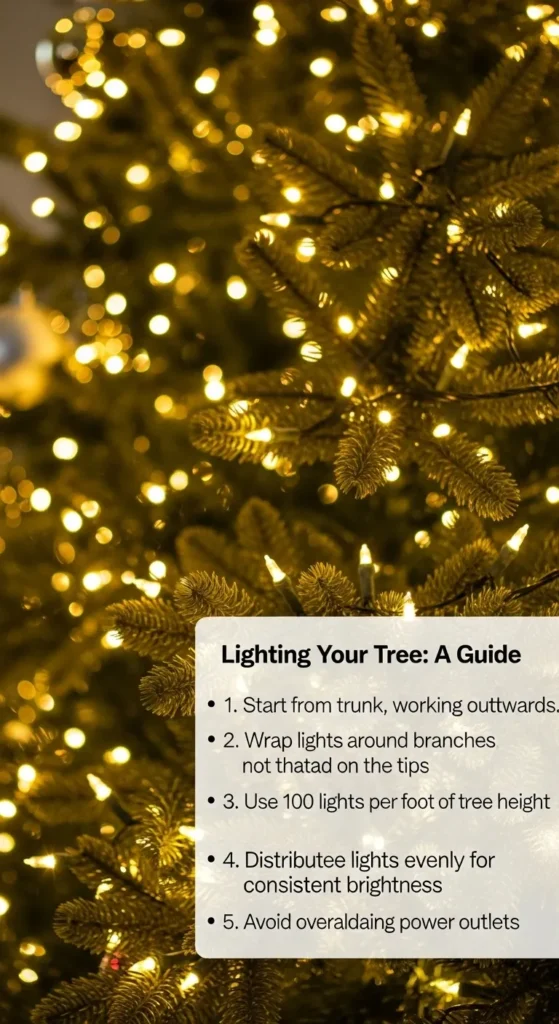
For standard coverage, a good rule is to use 100 lights per foot of tree height. For a more luminous effect, add 50 to 100 extra lights per foot. Measuring your tree size correctly ensures that you have enough lights to cover every angle of your tree, allowing you to achieve a full, vibrant glow.
13. Using a Christmas Tree Light Calculator for Small Trees
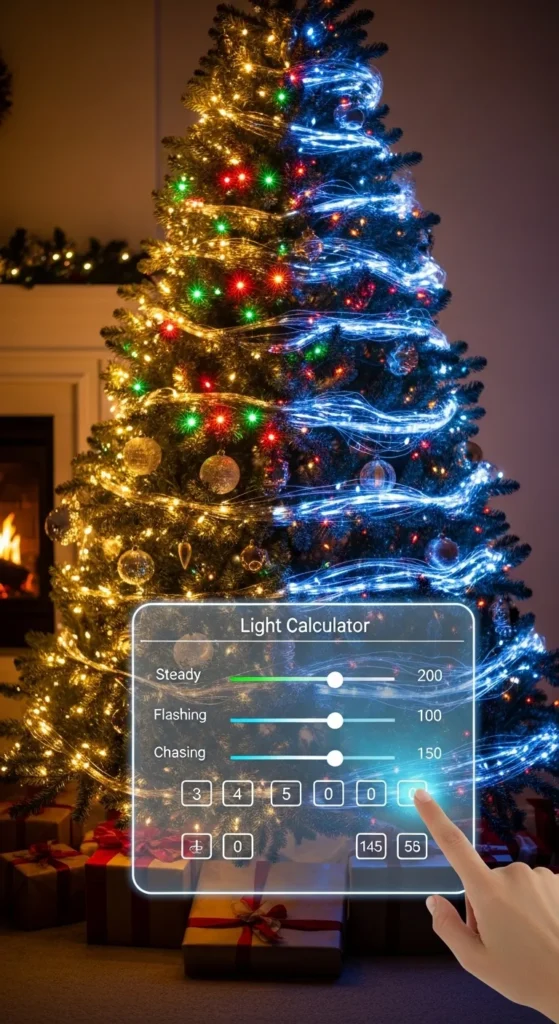
For smaller trees, such as those around 4 feet in height, using a Christmas tree light calculator helps ensure you don’t overload the tree with lights. A small tree typically requires about 200 to 400 lights, depending on your desired brightness. The light calculator allows you to adjust the number of lights for a more subtle or bolder effect based on your personal preference.
When calculating for small trees, it’s important to ensure the lights are evenly distributed to prevent darker spots. Using the right amount of lights for your small tree enhances the overall festive look without overpowering the tree, making it the perfect balance of warmth and sparkle for your holiday decor.
14. How to Incorporate Different Light Effects
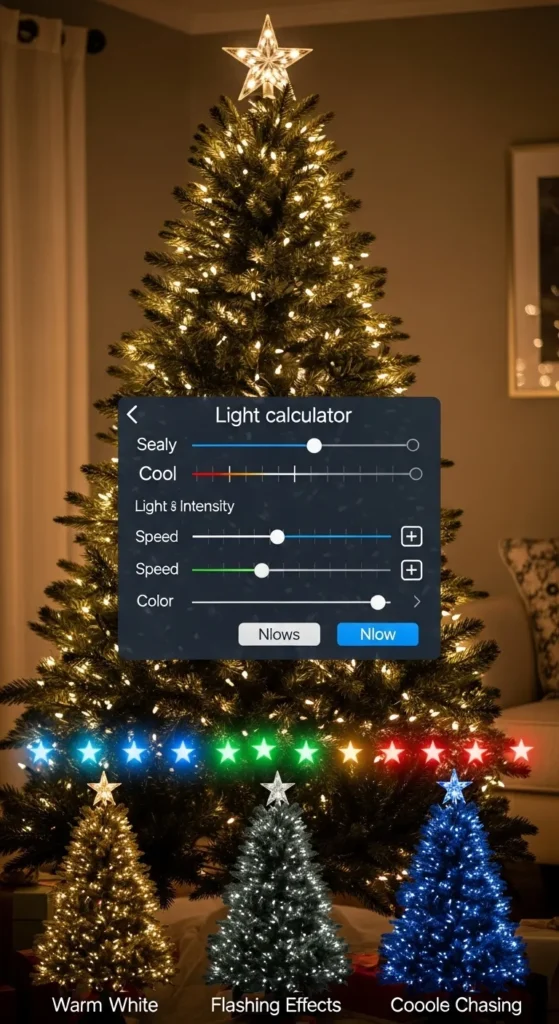
Different light effects, such as steady, flashing, or chasing lights, can add dynamic energy to your Christmas tree. A Christmas tree light calculator can help you determine how many lights you need if you’re using a mix of different effects. For example, flashing lights require fewer lights to create the same impact as steady lights.
When using flashing or chasing lights, be mindful of how they impact the overall ambiance of the room. If you want a more peaceful, serene effect, steady lights are ideal, while flashing or chasing lights add excitement and a more vibrant atmosphere. You can mix and match these effects based on your style and desired mood for the holiday season.
15. How to Use the Calculator for Tall Trees
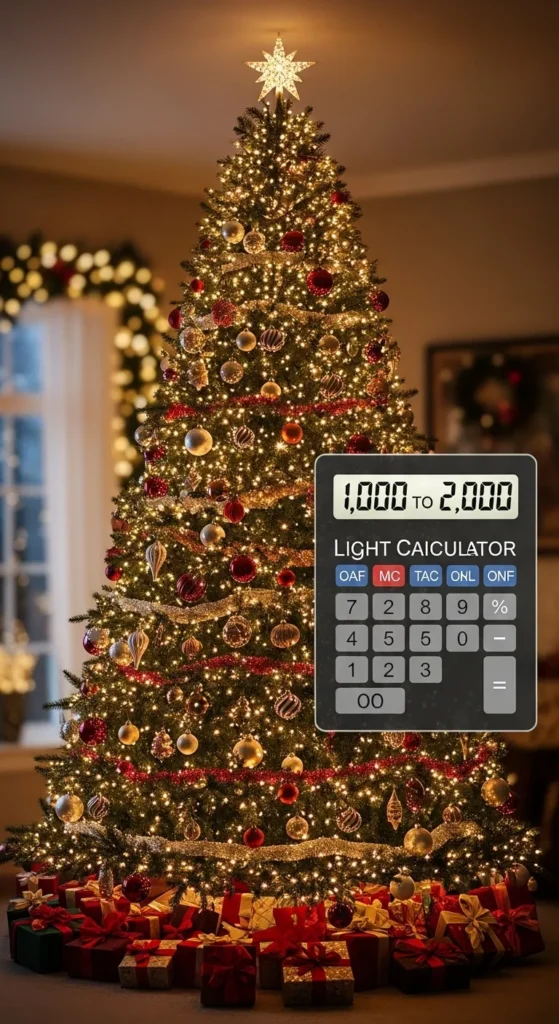
For taller trees (10 feet and above), using a Christmas tree light calculator is essential to ensure you have enough lights to cover the entire tree. Tall trees require anywhere from 1,000 to 2,000 lights, depending on the height and your preferred lighting effect. The calculator will help you determine the right number of lights based on the size and your brightness preference.
When working with tall trees, it’s important to use multiple strands and wrap the lights in layers. This method ensures the lights are evenly distributed across both the inner and outer branches. Additionally, you can use a combination of different-sized lights to create visual interest and a striking effect on your tall tree.
16. Understanding Light Bulb Spacing
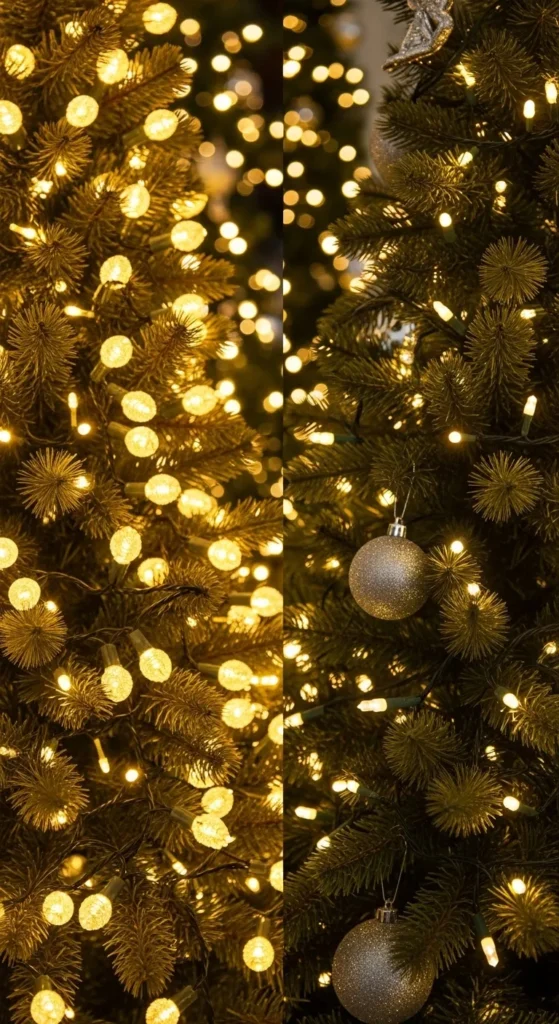
The spacing of the light bulbs on a Christmas tree impacts both the overall look and brightness. Typically, lights are spaced about 2 to 3 inches apart on most standard strands. However, tighter spacing (1 to 2 inches apart) can create a brighter, more radiant effect, while wider spacing (4 inches or more) offers a more subtle glow.
When using a Christmas tree light calculator, consider the type of effect you want. Tighter bulb spacing works well for a dense, sparkling look, while wider spacing may be better suited for a more natural, less intense ambiance. The right spacing enhances the overall aesthetic, ensuring your tree shines just the way you envision.
17. Choosing Between Warm and Cool Lights
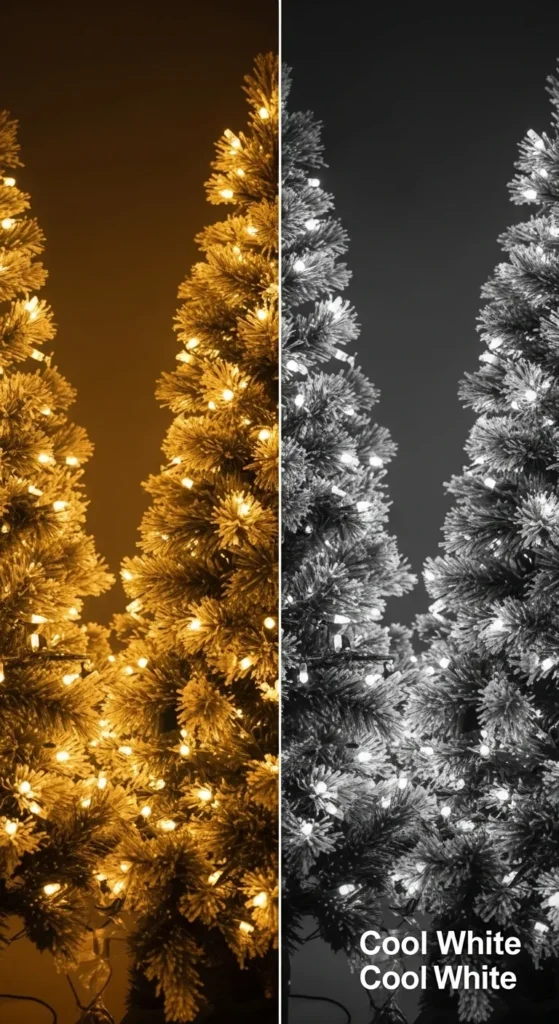
Warm white lights create a cozy, traditional Christmas ambiance, perfect for a classic holiday feel. Cool white lights, on the other hand, have a crisp, modern look that provides a more contemporary, frosty effect. The Christmas tree light calculator can help you adjust the number of lights depending on your preference for light temperature.
While warm white lights are ideal for a classic, welcoming feel, cool white lights give off a brighter and more vivid glow, often associated with wintery or icy themes. You can also mix both types of lights to achieve a unique balance of warmth and brightness, depending on your overall tree theme.
18. Using Multi-Colored Lights for a Festive Look
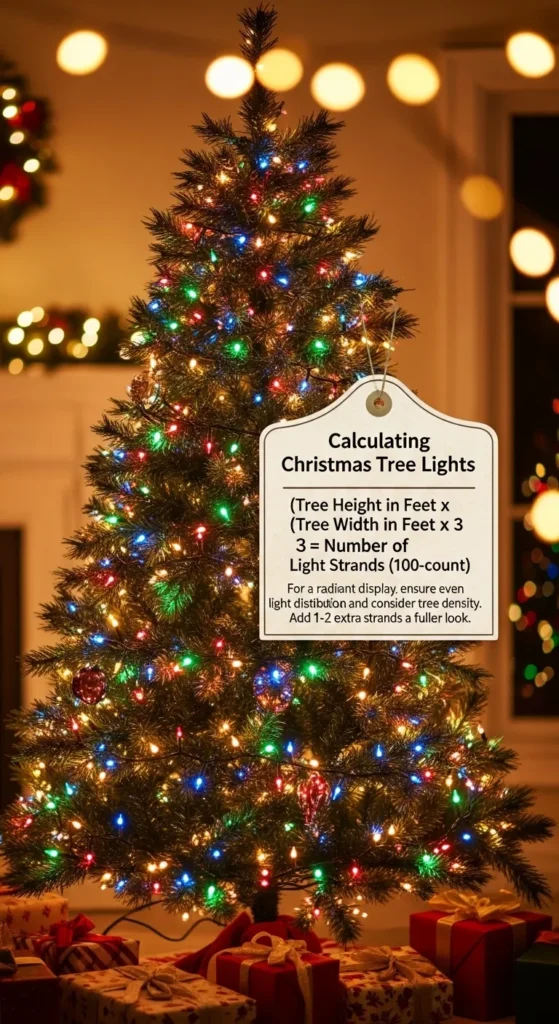
Multi-colored lights bring a fun and lively vibe to your Christmas tree, evoking a playful and festive spirit. When using multi-colored lights, the Christmas tree light calculator can help you determine how many strands of each color are needed for an even distribution. Typically, multi-colored lights come in combinations of red, green, blue, and yellow.
These lights can create a more dynamic look compared to single-colored lights, perfect for adding excitement to your tree. To achieve the best effect, consider the density and placement of the lights. Use the calculator to balance the number of strands for each color, ensuring that the final look is vibrant but not too overwhelming.
19. Avoiding Overloading Circuit Breakers
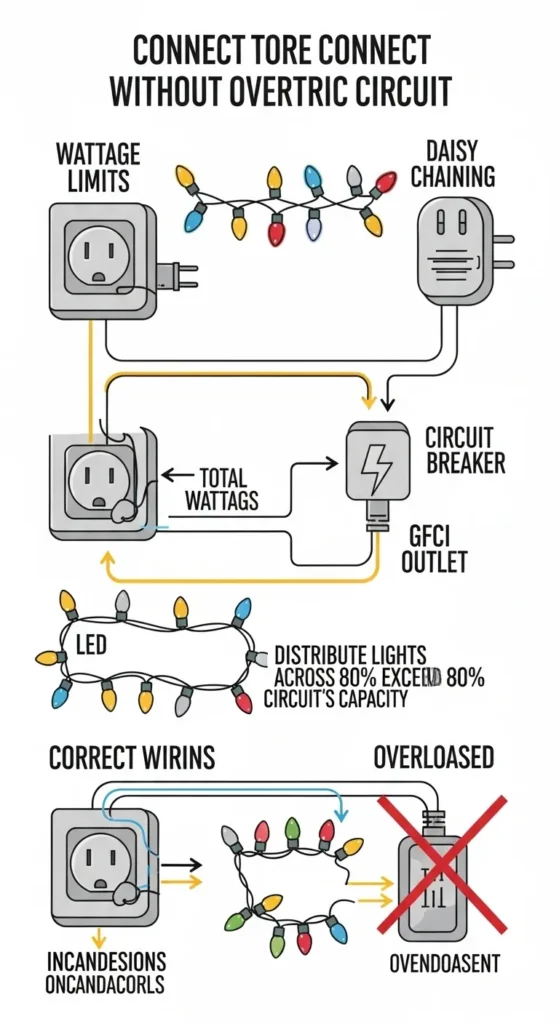
When decorating your Christmas tree, it’s important to avoid overloading the circuit breakers with too many lights. Most modern homes have circuits that can handle about 1,500 watts, which typically equates to around 2,000 to 3,000 mini lights, depending on the wattage of the bulbs.
The Christmas tree light calculator will help you determine the maximum number of lights you can safely connect to a single circuit. Always check the wattage rating on your light strands and avoid daisy-chaining too many strands together. For added safety, use power strips with built-in circuit breakers to prevent overloading and ensure your lights stay safe throughout the season.
20. Energy-Efficient Lighting Options
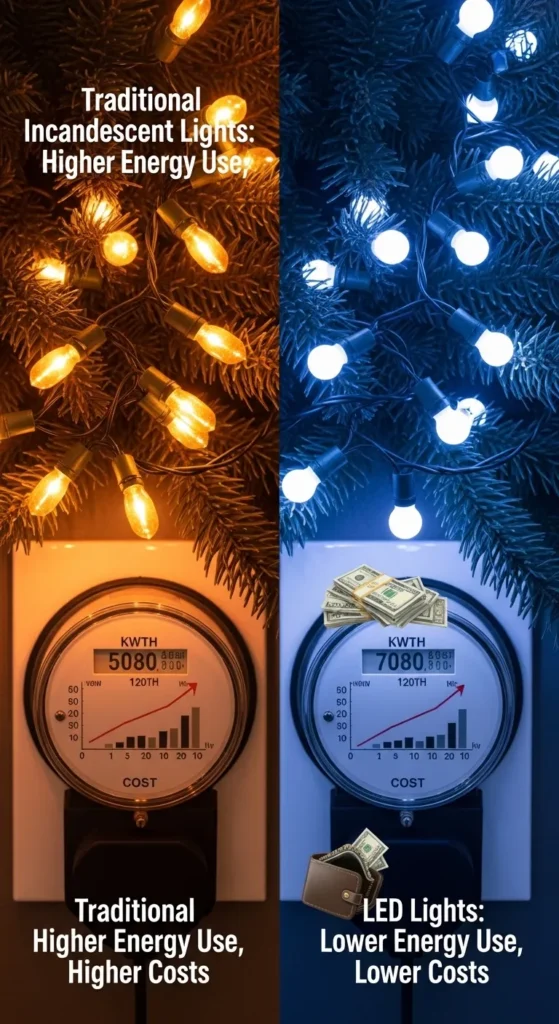
Switching to energy-efficient LED lights for your Christmas tree is a great way to save on electricity costs. LED lights use up to 75% less energy than traditional incandescent bulbs, meaning you can light your tree for longer without significantly impacting your energy bill. The Christmas tree light calculator can help you calculate how many LED lights are needed for the same brightness level as incandescent lights, ensuring that you’re saving energy without sacrificing brightness.
LED lights not only reduce energy consumption but also last longer and generate less heat, making them safer and more durable. While they may have a higher initial cost, the long-term savings on electricity and the longer lifespan of the bulbs make them a smart investment for your holiday decorations.
21. Understanding String Light Ratings
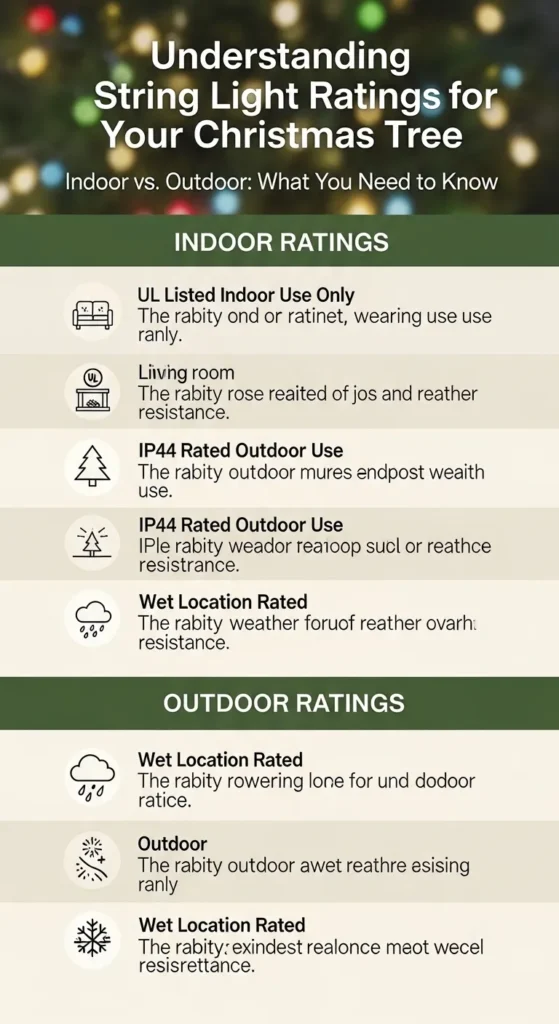
String lights are rated for either indoor or outdoor use, and it’s important to choose the right type for your Christmas tree. Indoor lights are typically designed for lower wattage and are perfect for decorating your tree indoors. Outdoor-rated lights, on the other hand, are built to withstand the elements and are more durable for outdoor displays.
When using a Christmas tree light calculator, be sure to select the appropriate string light rating based on where your tree will be located. For indoor trees, you’ll likely only need standard indoor lights, while for outdoor trees, weather-resistant lights are a must. Always follow the manufacturer’s guidelines for safety and performance.
22. Choosing the Right Color Temperature for Your Tree
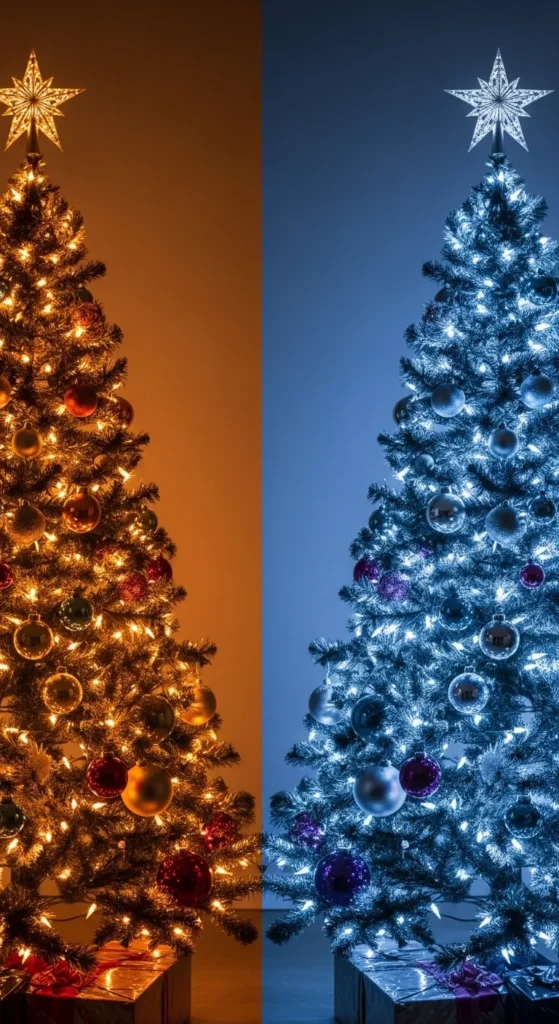
The color temperature of your Christmas tree lights plays a significant role in the atmosphere you create. Warm white lights give a soft, cozy glow that evokes a traditional holiday feel, while cool white lights offer a more modern, bright effect. The Christmas tree light calculator can help you select the ideal color temperature based on your desired look.
Warm white lights are perfect for a classic, inviting feel, while cool white lights create a crisp, wintery aesthetic. If you prefer a more contemporary, vibrant look, multi-colored lights with a mix of warm and cool tones can be used. The right color temperature enhances the tree’s overall ambiance and sets the mood for your holiday celebrations.
23. How to Calculate Lights for Different Tree Shapes
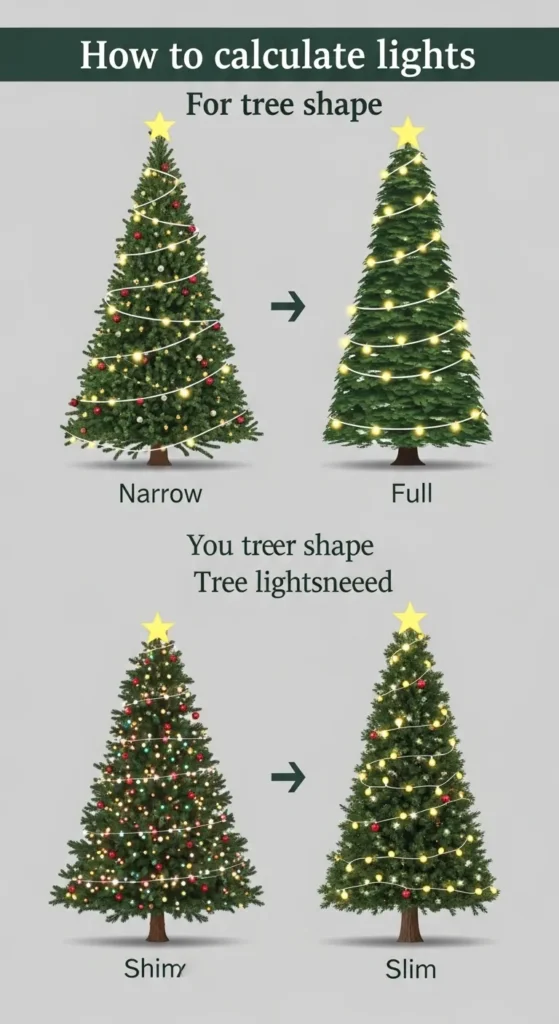
When calculating the number of lights for your Christmas tree, the shape of the tree is just as important as its height. A full, dense tree requires more lights to achieve even coverage, while a narrower tree may need fewer lights. The Christmas tree light calculator can help you adjust the light count based on the shape of your tree to ensure balanced lighting.
For fuller trees, increase the number of lights per foot of tree height to maintain a bright, radiant effect. Slim or narrow trees can get away with fewer lights, but still require adequate distribution to avoid any dark spots. Take into account both the tree’s height and its fullness when calculating the light coverage to achieve a beautifully lit tree.
Conclusion:
Using a Christmas tree light calculator is the perfect way to ensure your tree is beautifully lit without being overwhelming. By considering the size, shape, and type of lights, you can calculate the ideal number of lights for your tree and create a festive atmosphere in your home. With these 22 tips, you can easily achieve a dazzling, energy-efficient, and perfectly lit Christmas tree this holiday season.