
BLOG
25 Creative Christian Classroom Ideas to Inspire

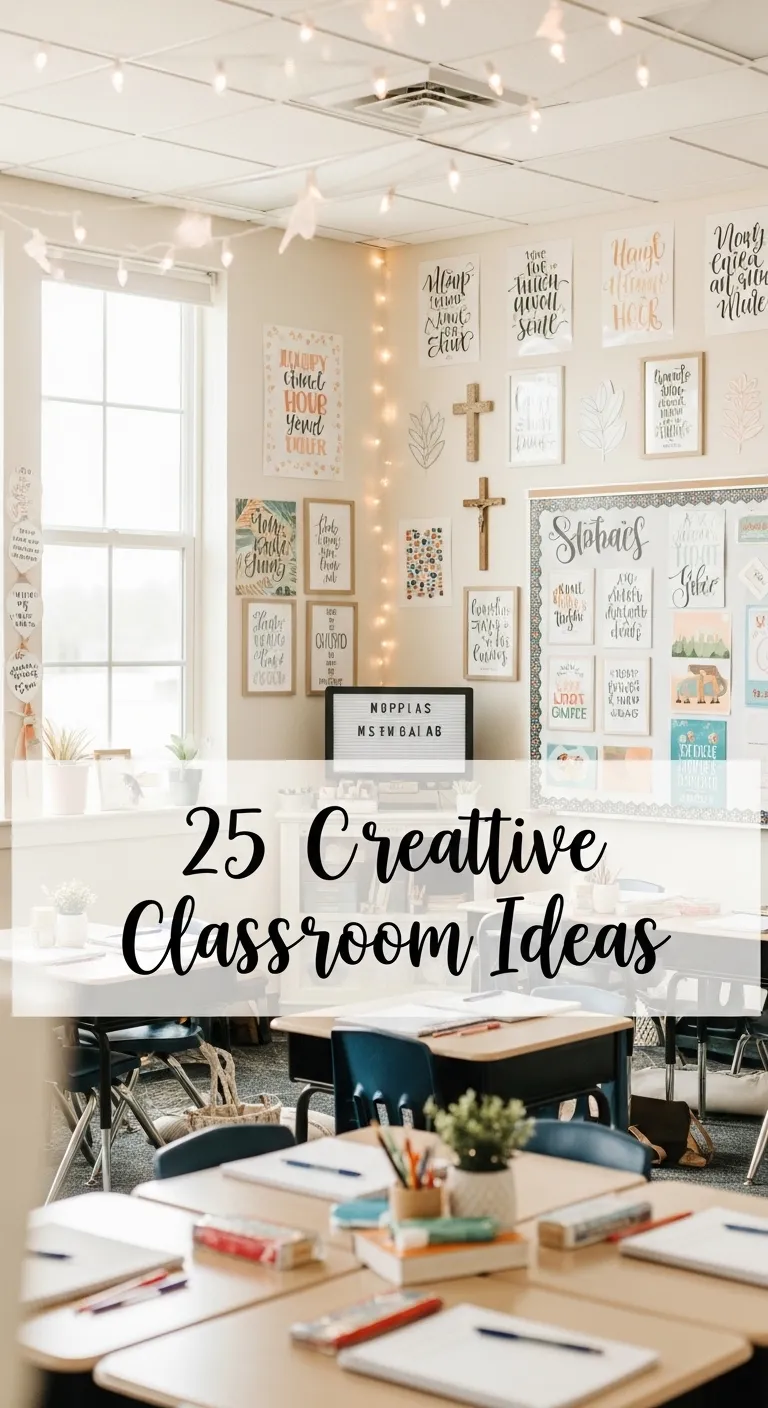
Creating a vibrant and meaningful Christian classroom helps students feel inspired, engaged, and deeply connected to faith-based learning. The environment in which students learn can greatly impact their spiritual growth, motivation, and overall engagement with lessons. By blending educational tools with activities that foster spiritual reflection, teachers can cultivate classrooms that are both dynamic and faith-centered. Creative Christian classroom ideas focus not only on teaching biblical lessons but also on developing students’ empathy, moral values, and understanding of God’s teachings.
Incorporating elements like interactive bulletin boards, scripture displays, prayer corners, and collaborative projects encourages students to participate actively while nurturing their spiritual development. Teachers can design spaces that spark curiosity, provide opportunities for self-expression, and promote meaningful connections with both peers and scripture. These 25 tips and ideas are designed to inspire creativity, organization, and devotion in classrooms of all sizes. By implementing these strategies, teachers ensure students are motivated to learn, participate, reflect, and grow in their Christian journey, making every day in the classroom an opportunity for both education and faith-based enrichment.
1. Scripture Wall Displays
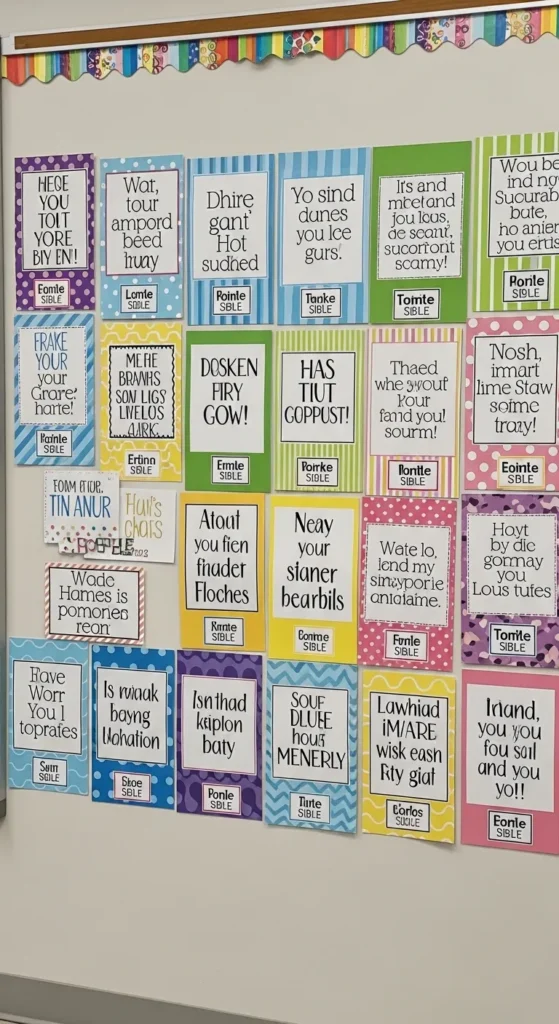
Scripture wall displays provide students with daily inspiration and reinforcement of key Christian teachings. By creating a visually engaging wall, teachers can help students internalize lessons and reflect on God’s word in meaningful ways. Consider using different fonts, vibrant colors, and decorative borders to make verses stand out and capture attention. Verses can be rotated weekly, monthly, or seasonally to align with the topics being studied or church calendar events like Advent, Lent, or Pentecost.
To make the display interactive, teachers can invite students to contribute their favorite Bible verses, write reflections, or even illustrate stories inspired by the scriptures. Incorporating discussion questions or challenges next to the verses encourages students to think critically about their application in daily life. Some teachers create a “Verse of the Day” segment within the wall, helping students memorize passages over time. Scripture walls are a simple yet powerful method to reinforce spiritual lessons, cultivate a sense of reverence, and promote reflection in creative Christian classroom ideas.
2. Prayer Corner

A dedicated prayer corner offers students a peaceful, personal space to pray, reflect, or meditate. Adding soft cushions, small rugs, candles, or ambient lighting can make the area feel inviting and calming. Teachers can include journals, devotional cards, or prompts to help guide prayer sessions, allowing students to engage thoughtfully and meaningfully.
Prayer corners are more than just a physical space—they teach students the value of quiet reflection, mindfulness, and personal connection with God. Rotating displays or themes according to seasons, holidays, or biblical stories keeps the space dynamic and encourages repeated engagement. For example, during Lent, the corner could feature reflections on forgiveness and selflessness, while in Advent, it could focus on hope and preparation for Christmas. Incorporating interactive elements like gratitude boards or reflection jars allows students to share thoughts while maintaining a contemplative atmosphere. A prayer corner nurtures students’ spiritual growth, builds empathy, and fosters a sense of community within the classroom.
3. Bible-Themed Bulletin Boards
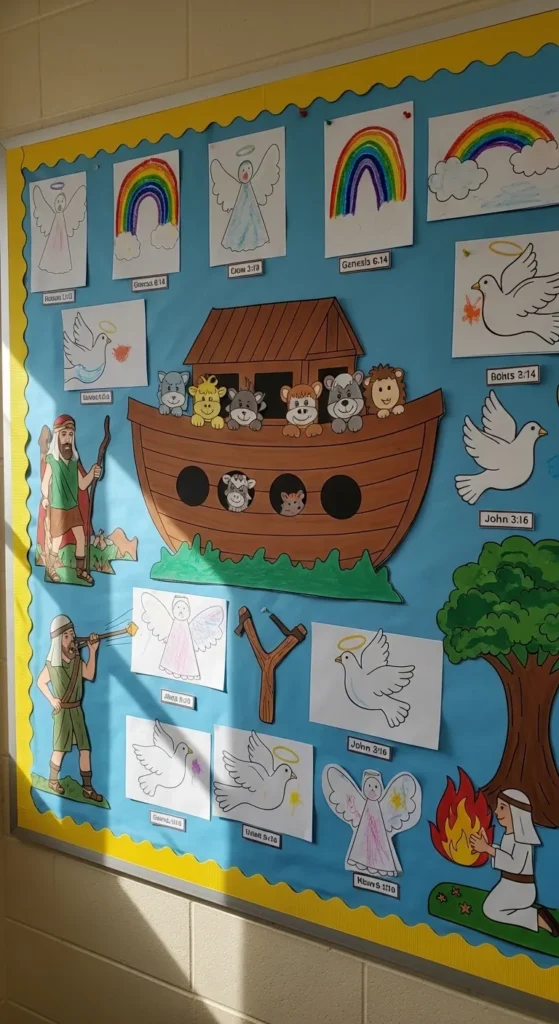
Bulletin boards are an excellent way to engage students visually and academically with Christian themes. Bible-themed bulletin boards can display lesson highlights, student projects, and seasonal Christian themes such as Easter, Christmas, or Creation Week. They not only make the classroom environment vibrant but also reinforce biblical concepts in an interactive and memorable way.
Teachers can incorporate student artwork, reflections, or storytelling exercises to encourage creativity and participation. Boards can also feature layered textures, three-dimensional elements, or multimedia additions like QR codes linking to videos of Bible stories or hymns. Each board can have a weekly or monthly focus, such as stories of faith, morality, or Christian heroes, to keep content fresh and relevant. Using interactive elements like flaps to reveal questions or spaces for student contributions makes learning hands-on. Bible-themed bulletin boards combine visual stimulation with education, offering an inspiring tool for spiritual engagement in creative Christian classroom ideas.
4. Faith-Based Reading Corner
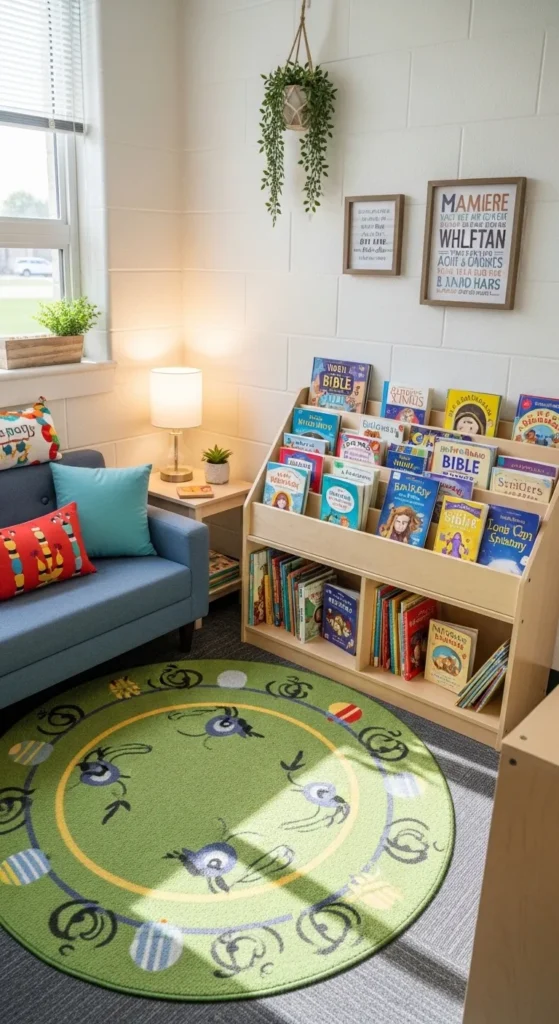
A faith-based reading corner promotes literacy while nurturing spiritual growth. Stocking this area with Christian storybooks, devotionals, and age-appropriate Bibles encourages students to read independently and explore scripture at their own pace. Comfortable seating like bean bags, cushions, or small chairs invites students to spend extended periods reflecting on lessons and stories.
Reading corners can also host small group discussions or guided readings led by the teacher. By rotating books and materials regularly, teachers can maintain students’ interest and introduce new perspectives. Including activities such as reading challenges, scripture journaling, or discussion prompts helps students connect lessons with their lives. Teachers can encourage students to recommend books or share insights, fostering a sense of ownership. Faith-based reading corners seamlessly blend learning and spiritual reflection, offering a quiet, inspiring space that enhances both literacy and devotion in creative Christian classroom ideas.
5. Verse of the Week Board
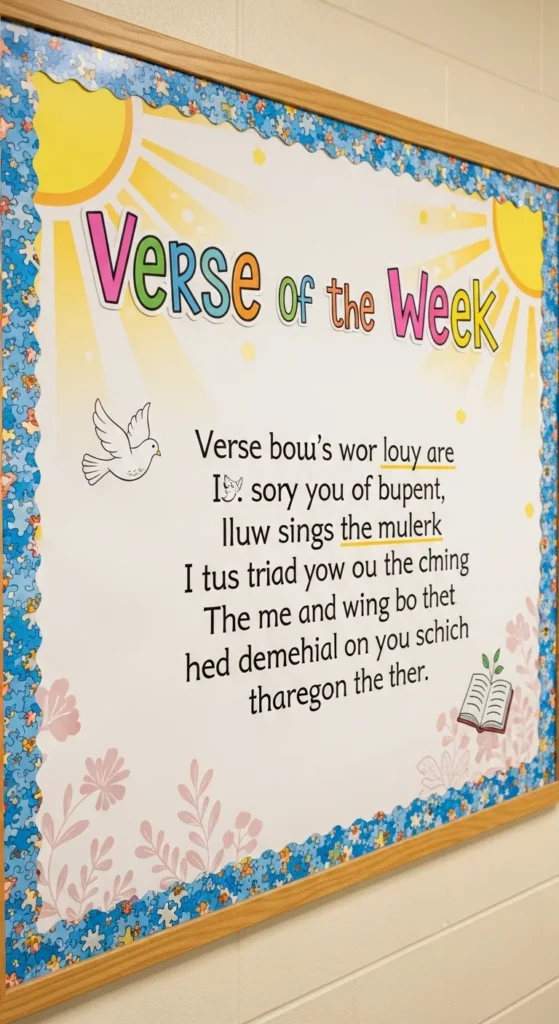
A “Verse of the Week” board provides students with a regular focus for spiritual learning. Teachers can select verses that complement lessons, relate to moral themes, or align with seasonal events like Easter or Christmas. This consistent practice helps students memorize scripture and apply lessons in daily life.
Interactive elements such as discussion questions, personal reflection prompts, or challenges encourage students to engage actively with the verse. For example, students might be asked to write a short reflection, illustrate the verse, or share examples of living out its teaching. Rotating student contributors for verse selection fosters participation and responsibility. Incorporating visuals, borders, or themed decorations enhances engagement and makes the board a memorable focal point in the classroom. The Verse of the Week board is a simple yet powerful tool that reinforces faith daily, builds scripture knowledge, and promotes reflection in creative Christian classroom ideas
6. Collaborative Prayer Journals
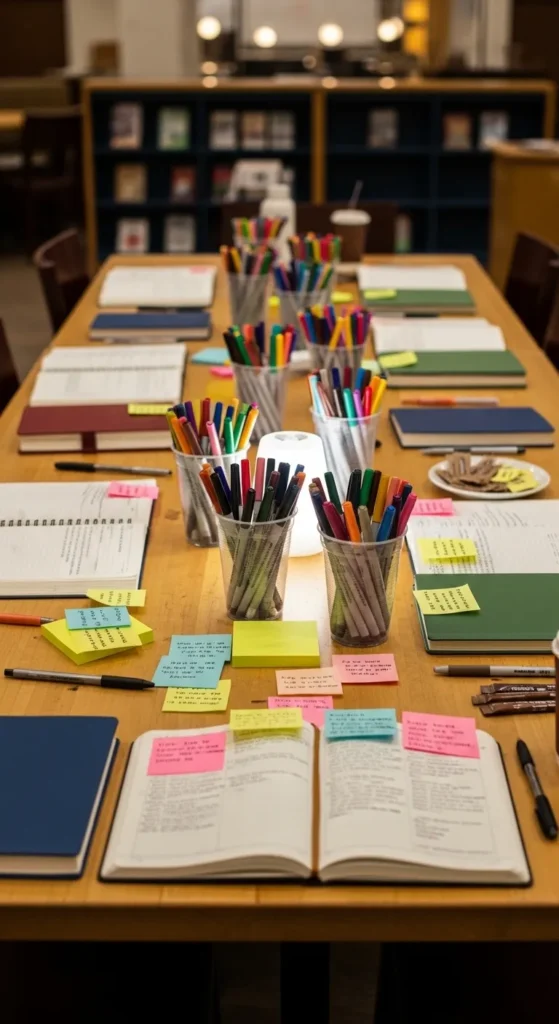
Collaborative prayer journals encourage students to share thoughts, prayers, and reflections in a structured format. This activity fosters community, empathy, and spiritual engagement in the classroom. Students can personalize entries and read anonymous contributions for inspiration. Journals also serve as a tool for teachers to guide discussions or themes. Rotating journals weekly keeps participation dynamic and allows students to learn from one another. Additionally, these journals teach students the value of listening, understanding different perspectives, and supporting peers in their spiritual journeys. Over time, journals can become a treasured collection reflecting growth, gratitude, and collective faith experiences, strengthening the classroom bond.
7. Christian-Themed Art Projects
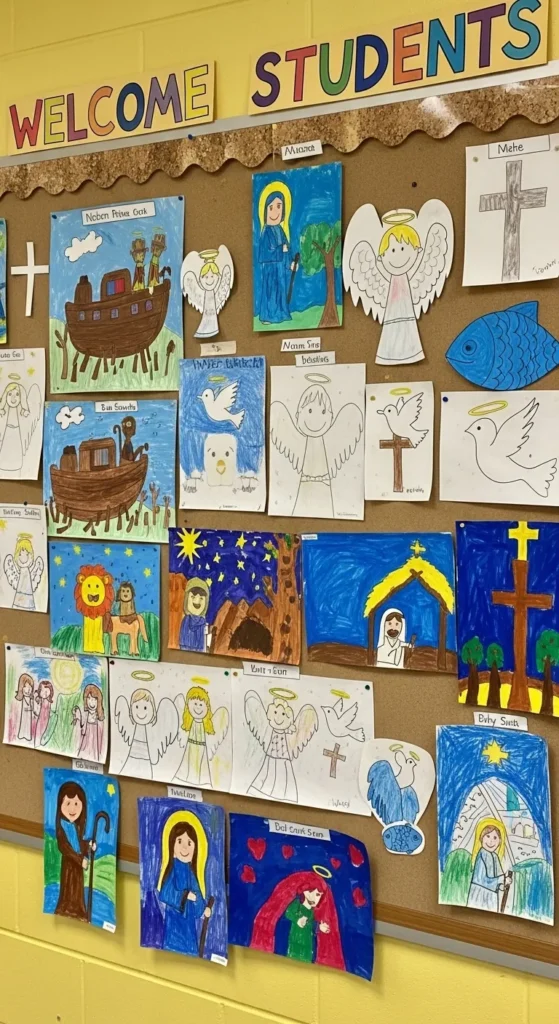
Christian-themed art projects combine creativity and faith. Activities like painting, drawing, or crafting help students explore biblical stories while developing artistic skills. Displaying completed projects boosts confidence and creates a visually inspiring environment. Art projects also support collaborative learning, encouraging students to share ideas and interpret scripture creatively. Integrating arts with lessons enhances engagement and makes abstract teachings tangible. Furthermore, art projects can include seasonal or themed challenges that highlight significant Bible events or parables, helping students understand deeper spiritual messages. These projects encourage imagination, teamwork, and reflection, making scripture accessible and memorable in an engaging, hands-on way.
8. Interactive Scripture Games
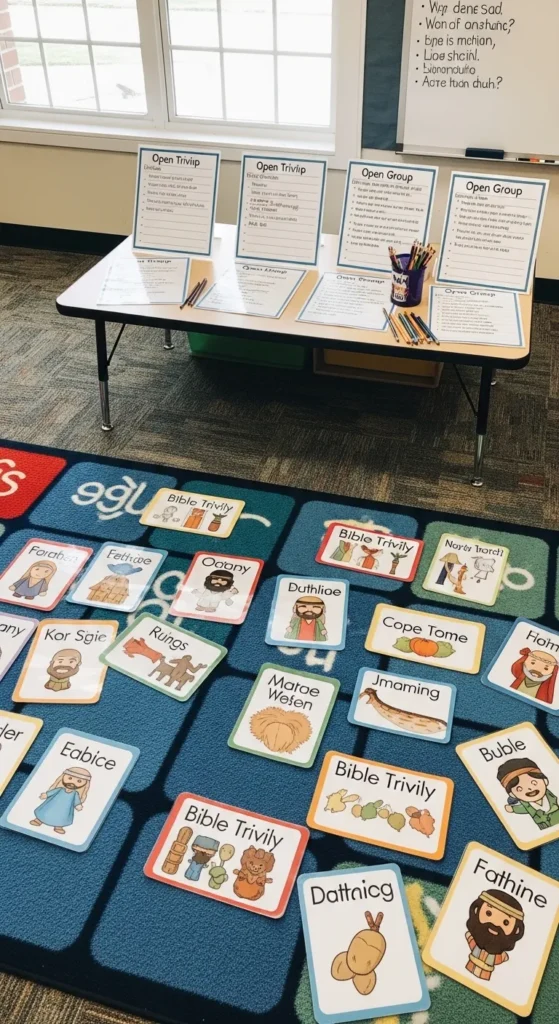
Interactive scripture games make learning about the Bible engaging and fun. Students can play trivia, matching, or role-playing games that reinforce lessons and improve retention. Games encourage participation and teamwork while building spiritual knowledge. These activities are flexible for small or large groups and can be adapted to various age levels. Incorporating prizes, challenges, or friendly competitions motivates students and creates a lively classroom atmosphere. Additionally, games can be tailored to focus on moral lessons, Bible heroes, or thematic scripture, enhancing comprehension. They provide an energetic, inclusive, and playful approach to faith education, sparking curiosity and enthusiasm for spiritual learning.
9. Seasonal Christian Decorations
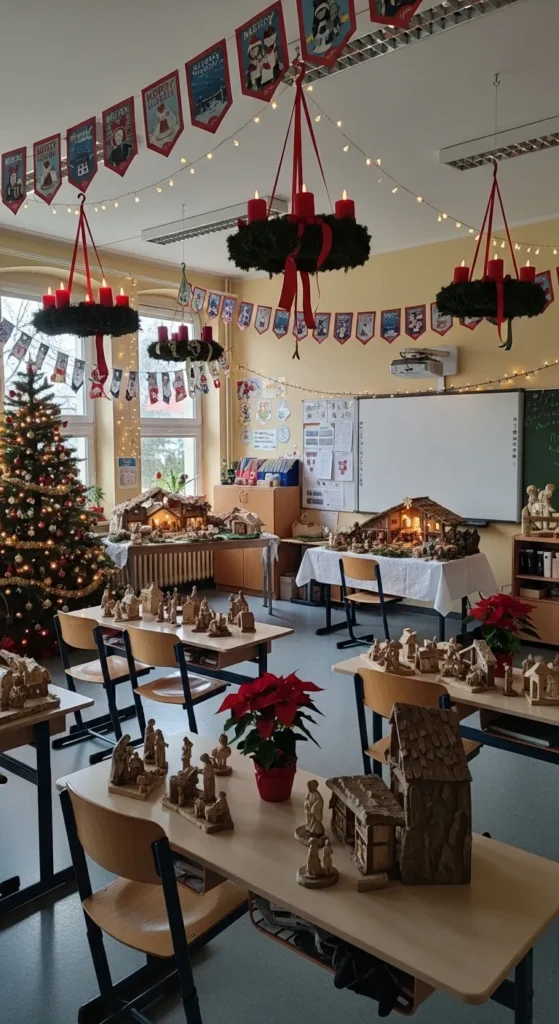
Seasonal Christian decorations help students connect lessons with meaningful traditions. Celebrating Christian holidays visually enhances the classroom, reinforces faith themes, and creates an inviting atmosphere. Rotating decorations for different seasons or church events maintains engagement. Students can participate in creating decorations, adding a personal and hands-on element. Moreover, seasonal decorations can incorporate student-led projects, crafts, or thematic displays, encouraging creativity and ownership. These visual elements create memorable experiences, linking biblical stories to real-life celebrations and making spiritual teachings tangible. Seasonal decor strengthens classroom community and instills excitement around faith-centered learning activities throughout the year.
10. Faith-Based Bulletin Board Themes
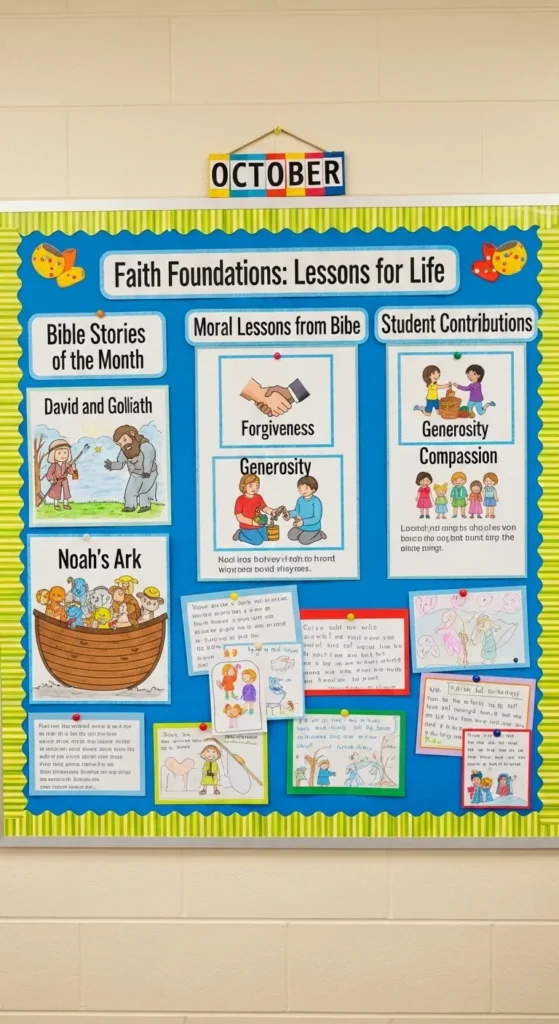
Themed bulletin boards provide a dynamic way to teach Bible stories and morals. Students can contribute artwork, reflections, or related crafts, enhancing engagement and ownership of learning. Boards also provide visual reinforcement for lessons and create discussion opportunities. Teachers can change themes monthly, keeping content fresh. Additionally, bulletin boards can highlight scripture challenges, student achievements, or moral reflections, motivating learners to actively participate. They also serve as conversation starters, prompting deeper inquiry into lessons and promoting critical thinking about faith. This approach fosters a vibrant, interactive, and spiritually nurturing classroom environment for ongoing engagement.
11. Christian Music Corner
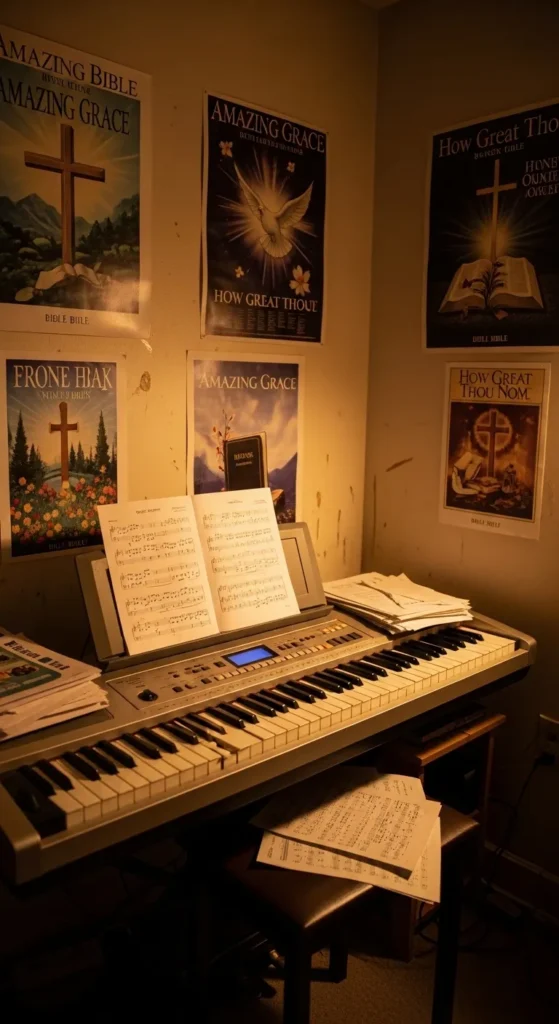
A music corner encourages students to explore Christian songs and hymns, enhancing spiritual learning through music. Instruments and music sheets promote participation, creativity, and confidence. Music corners also support group singing and rhythm exercises tied to lessons. Students develop teamwork while enjoying interactive, faith-based learning. Furthermore, the corner can include opportunities for student-led performances, hymn composition, or musical storytelling of Bible stories, reinforcing lessons in a memorable way. Music encourages emotional expression and strengthens bonds between students. It’s an inspiring, interactive addition to the classroom that combines worship, creativity, and joyful engagement with scripture.
12. Bible Story Role-Play Area
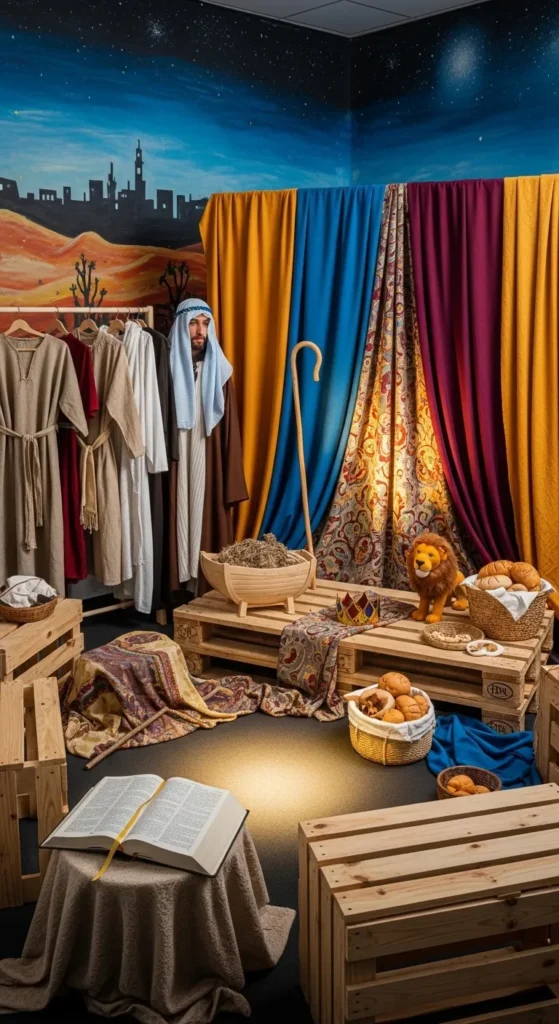
Role-playing Bible stories allows students to engage actively with scripture. Acting out lessons helps with understanding, memory retention, and empathy. Props and costumes make learning interactive and memorable. Teachers can rotate stories weekly, allowing all students to participate. This approach encourages confidence and creativity. Additionally, role-play activities can be adapted for group performances, peer teaching, or dramatization of moral dilemmas, deepening comprehension and encouraging critical thinking. Students gain communication skills while exploring faith principles practically. Role-play areas create immersive, hands-on learning experiences that transform abstract biblical teachings into memorable, life-applicable lessons.
13. Motivational Scripture Posters
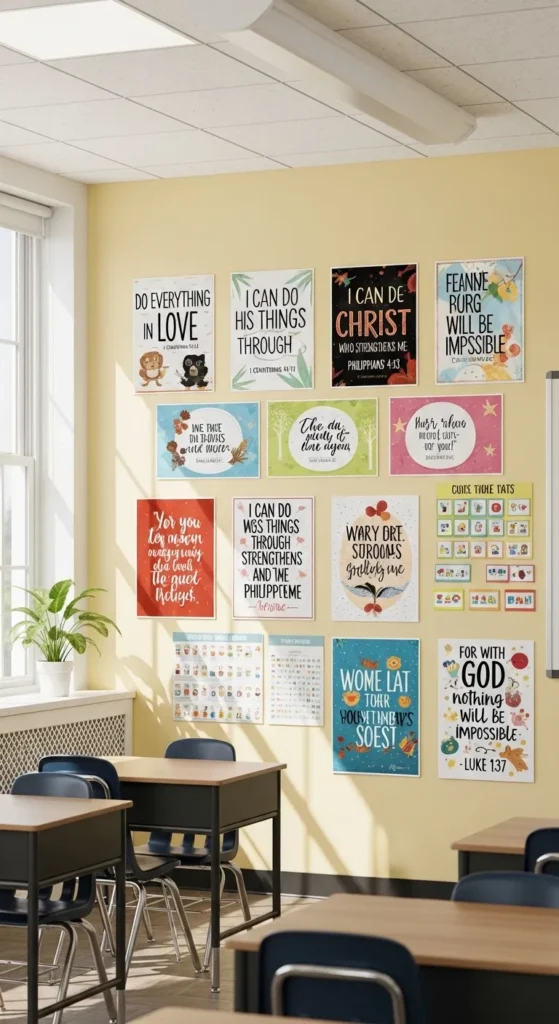
Motivational scripture posters provide encouragement and daily reminders of faith principles. Placed strategically, they inspire students and create a positive classroom atmosphere. Posters also complement lessons and discussions. Visual cues reinforce spiritual values while enhancing decor. In addition, rotating quotes or incorporating student-selected verses fosters a sense of ownership and participation. Posters can be linked to weekly themes, moral lessons, or challenges, serving as prompts for reflection or discussion. They create an uplifting, supportive environment where students are constantly reminded of hope, kindness, and the power of faith in daily life.
14. Christian-Themed Reading Nooks

Reading nooks promote literacy while fostering spiritual growth. Comfortable seating and easy access to faith-based books encourage independent reading and reflection. The area can host small groups or one-on-one reading sessions. Teens can explore stories, devotionals, and Bible lessons. Additionally, themed book rotations or weekly reading challenges can spark excitement and sustained engagement. The nook encourages quiet reflection, discussion, and personal connection with scripture. It also supports diverse learning styles and literacy levels, creating a nurturing environment where students can develop comprehension, critical thinking, and spiritual insight simultaneously.
15. Interactive Prayer Wall
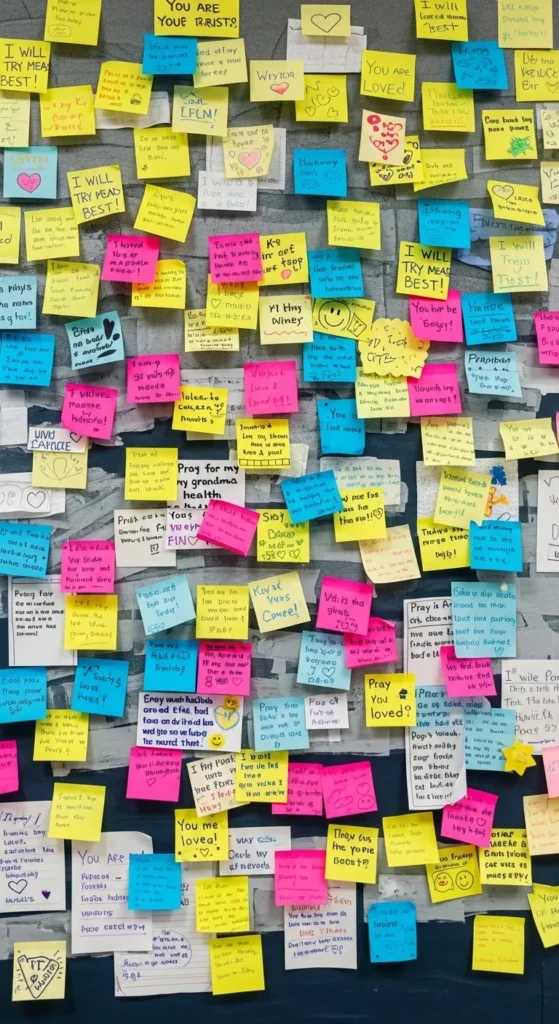
Prayer walls allow students to share prayers, encouragement, and reflections publicly or anonymously. It fosters community and strengthens spiritual engagement. The wall can rotate themes or include prompts for guided prayers. Additionally, interactive features like sticky notes, prompts, or collaborative prayer chains encourage participation, empathy, and peer support. Students learn the value of expressing gratitude, seeking guidance, and supporting classmates in faith journeys. Prayer walls create a visual, living testament to collective spirituality and reinforce the importance of compassion, mindfulness, and daily spiritual reflection in a communal learning environment.
16. Faith-Based Journaling Station

Journaling stations encourage personal reflection and spiritual growth. Students can write prayers, gratitude entries, or insights from lessons. Providing prompts or themed journals enhances engagement. Journaling stations blend creativity with faith in creative Christian classroom ideas. Additionally, students can revisit entries over time, tracking personal growth, answered prayers, or lessons learned. Peer sharing (optional) can foster empathy and collective insight. These stations encourage introspection, mindfulness, and consistent engagement with scripture. They serve as a quiet, reflective space within the classroom, helping students build discipline, spiritual awareness, and a deeper personal connection with their faith.
17. Scripture Scavenger Hunts
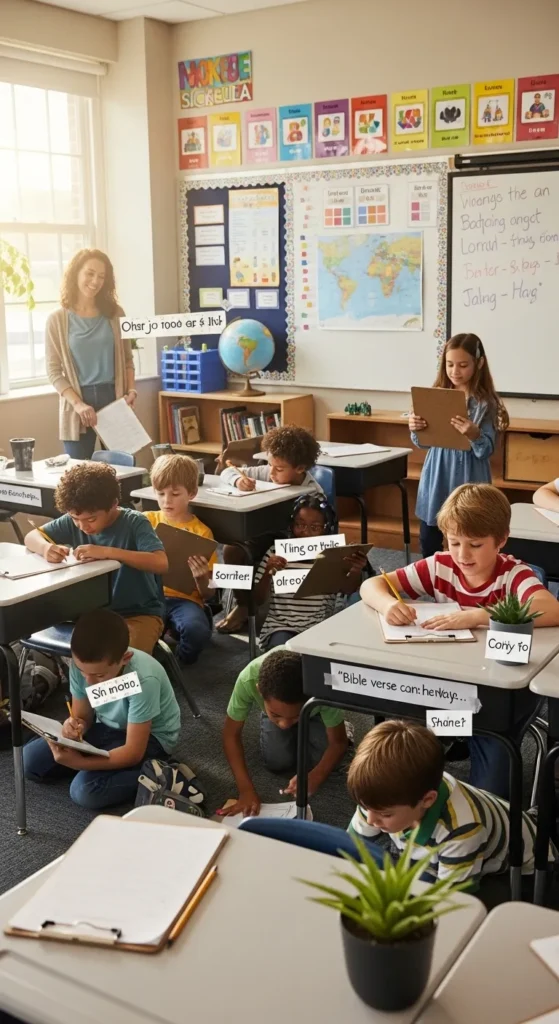
Scavenger hunts make scripture learning interactive and fun. Students explore, read, and memorize verses while collaborating with peers. This activity fosters teamwork, engagement, and a dynamic learning environment. Additionally, scavenger hunts can include riddles, clues, or challenges linked to moral lessons or Bible stories, deepening comprehension. They encourage problem-solving, active participation, and friendly competition. This approach transforms traditional scripture memorization into an enjoyable, movement-based activity, reinforcing learning and promoting enthusiasm for discovering and applying biblical knowledge in everyday life.
18. Student-Led Devotion Corner
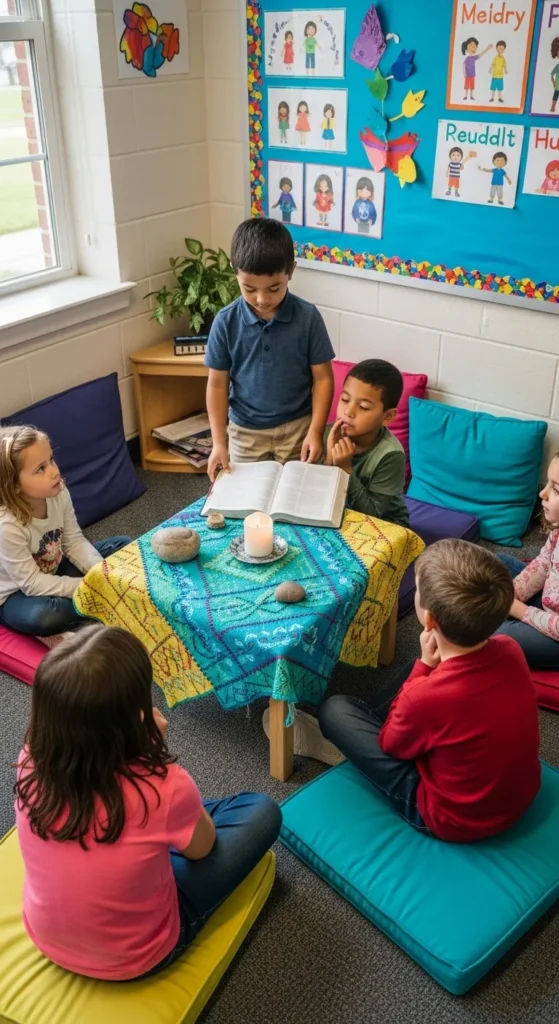
A student-led devotion corner empowers learners to share insights and lead discussions. It builds confidence and encourages active participation in spiritual growth. Rotating leadership and topics keeps the classroom dynamic. Additionally, this corner can host peer-led reflections, thematic prayers, or student-driven Bible readings, fostering ownership and responsibility. Students practice leadership, public speaking, and collaborative decision-making while deepening understanding of scripture. This interactive setup strengthens community bonds and provides a meaningful platform for students to express faith, share experiences, and encourage spiritual development in themselves and their peers.
19. Bible Timeline Wall
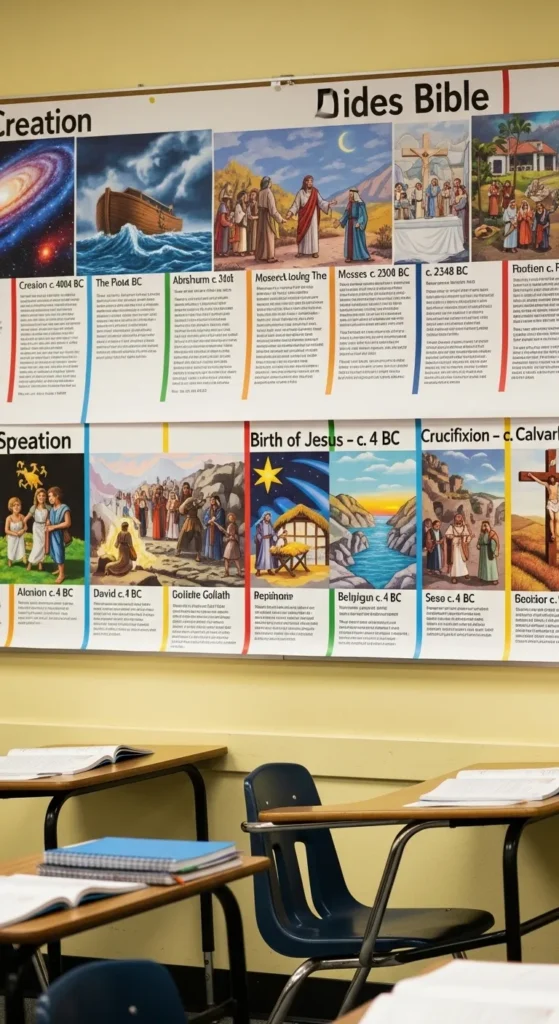
A Bible timeline helps students visualize and understand historical context. Illustrations and dates make stories easier to remember and engage with. Students can interact by adding notes, reflections, or related artwork. Additionally, timelines can include significant events, parables, and prophetic messages, creating a comprehensive visual learning tool. Students gain a sense of chronological order, narrative flow, and cause-effect relationships within scripture. Timelines enhance retention, spark curiosity, and serve as ongoing reference points, bridging history with spiritual lessons and fostering a holistic understanding of biblical stories and their relevance today.
20. Seasonal Craft Projects
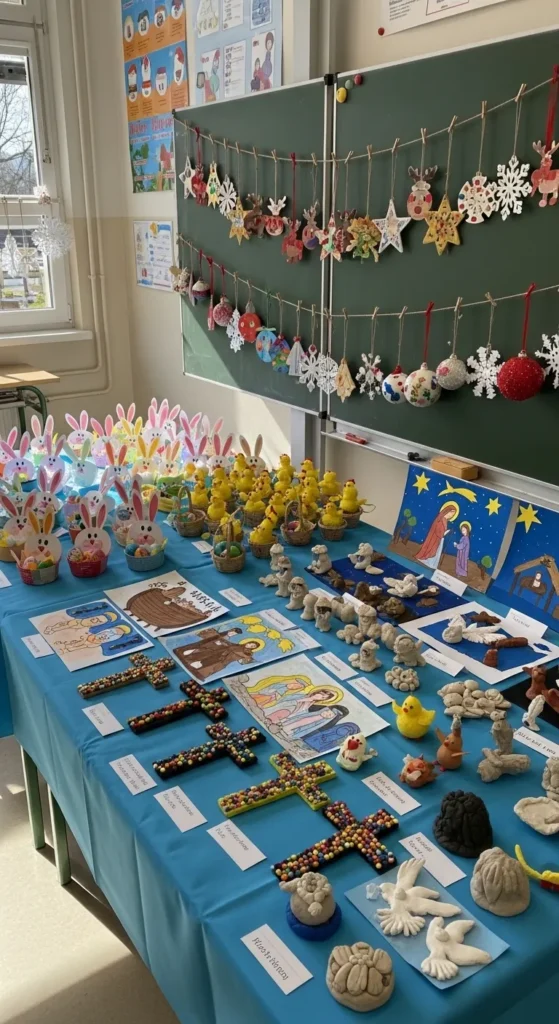
Seasonal crafts combine creativity and faith education. Students learn Bible lessons through hands-on projects that decorate the classroom and reinforce teachings. Rotating projects keep engagement high. Crafting fosters teamwork, skill development, and spiritual reflection. Additionally, seasonal crafts can include cross-curricular elements like storytelling, research, or collaborative planning, connecting faith with creativity, problem-solving, and cultural understanding. Finished projects inspire pride, classroom ownership, and a tangible sense of accomplishment, making lessons memorable and enhancing students’ connection to biblical traditions through active, hands-on participation.
21. Faith-Based Learning Stations
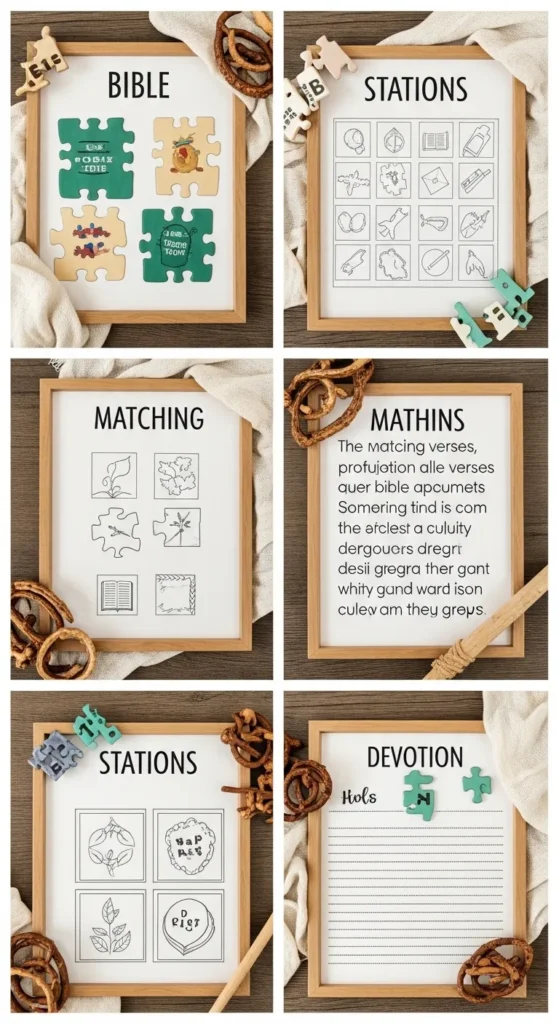
Learning stations promote active participation and differentiated instruction. Students rotate to explore different activities and reinforce lessons interactively. Stations enhance comprehension, collaboration, and engagement. Additionally, stations can be tailored to varying skill levels or learning styles, integrating puzzles, creative prompts, or discussion-based activities. This approach ensures inclusive learning, encourages exploration, and reinforces key moral or biblical concepts. Rotating stations make lessons dynamic and exciting, fostering a sense of curiosity, teamwork, and independent problem-solving while deepening spiritual understanding in an interactive, student-centered environment.
22. Inspirational Quote Corners
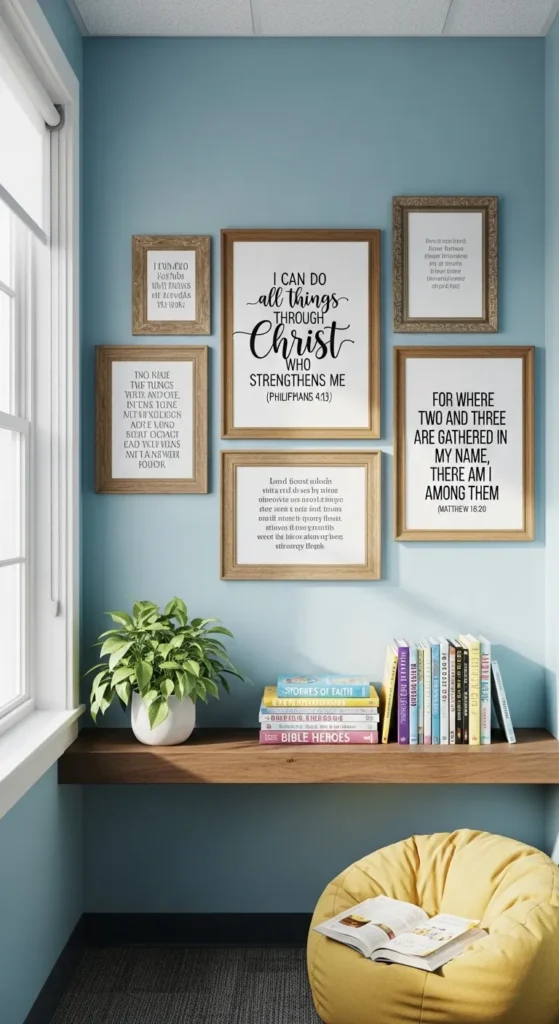
Inspirational corners motivate and encourage students daily. Highlighting positive messages fosters a supportive, faith-centered environment. Students can contribute quotes or reflections. Additionally, corners can incorporate rotating themes, seasonal verses, or student artwork, keeping the space fresh and engaging. Inspirational corners also serve as conversation starters, reflection prompts, or mindfulness spaces. They reinforce moral lessons, provide comfort, and nurture a sense of purpose, creating a visually uplifting environment where faith, creativity, and community intersect, inspiring students to internalize biblical principles in their everyday lives.
23. Christian-Themed Bulletin Borders
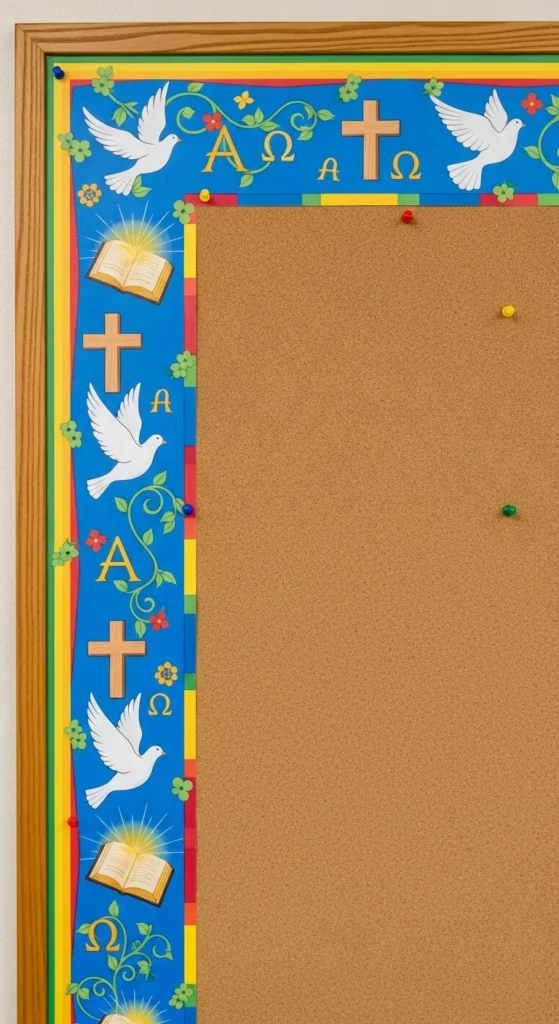
Themed bulletin borders add visual interest and highlight faith-based content. They make bulletin boards more cohesive, attractive, and educational. Borders also guide attention to lesson highlights, announcements, or student work. Additionally, incorporating seasonal or thematic symbols, student-made designs, or scripture excerpts enhances engagement and relevance. Borders provide context, focus, and aesthetic appeal, creating visually appealing learning spaces that capture attention and reinforce spiritual messages. They help connect lessons with creativity, making boards interactive, meaningful, and consistently motivating for students in a Christian learning environment.
24. Mini Prayer Gardens
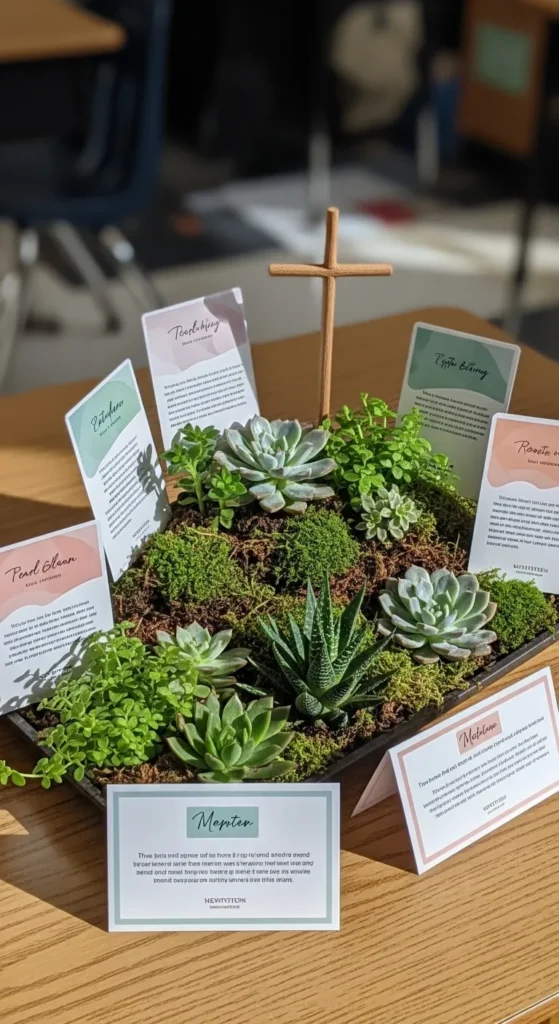
Mini prayer gardens introduce a tactile, peaceful element into the classroom. Students can reflect or pray while tending plants, fostering mindfulness and spiritual connection. Gardens provide hands-on engagement and decorate the classroom naturally. Additionally, students can integrate journaling, devotionals, or gratitude reflections alongside gardening activities, deepening spiritual awareness. Prayer gardens encourage responsibility, nurture care, and create a calming environment for contemplation. They connect creation with faith, allowing students to experience growth, renewal, and reflection through interactive, nature-based spiritual practices, enhancing both classroom ambiance and personal development.
25. Rotating Student Projects Display
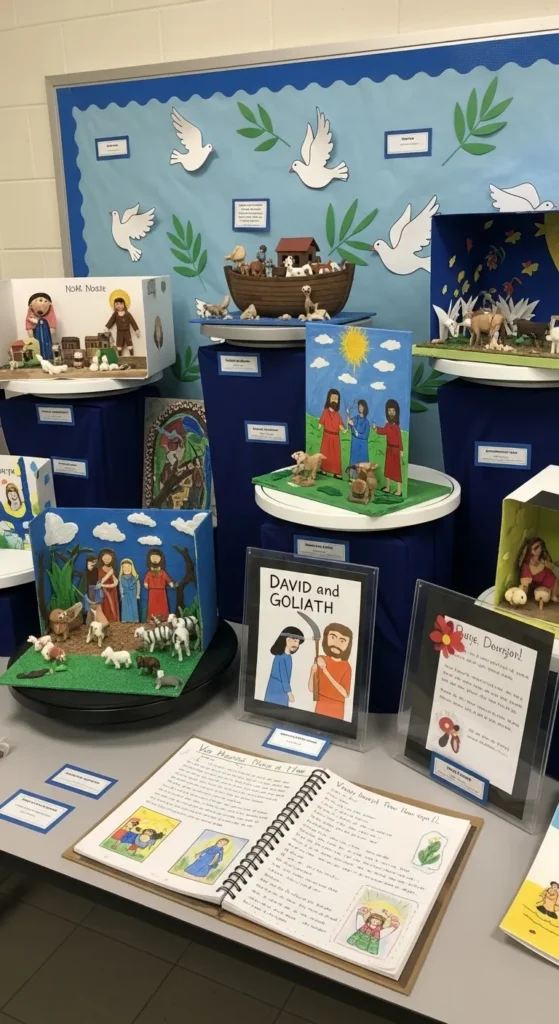
Displaying student projects celebrates creativity and reinforces learning. Rotating exhibits keep the classroom fresh and showcase individual contributions. Students take pride in sharing work with peers, fostering motivation. Additionally, displays can include thematic rotations tied to scripture lessons, seasonal events, or moral themes. This approach provides recognition, encourages excellence, and inspires classmates to engage creatively with faith-based projects. Rotating displays cultivate a sense of achievement, ownership, and collective classroom identity, highlighting students’ talents while reinforcing the integration of academic and spiritual growth through visible, interactive showcases.
Conclusion
Creating an engaging and faith-centered classroom enhances both learning and spiritual growth. By implementing these 25 creative Christian classroom ideas, teachers can inspire students, encourage participation, and foster a welcoming, motivating environment. From prayer corners and scripture displays to hands-on crafts and interactive activities, each idea supports both education and devotion. Applying these strategies helps students connect with lessons, express creativity, and deepen their faith while maintaining an organized and visually appealing classroom.