

BLOG
22 Vegetable Garden Layout Ideas for a Productive Space

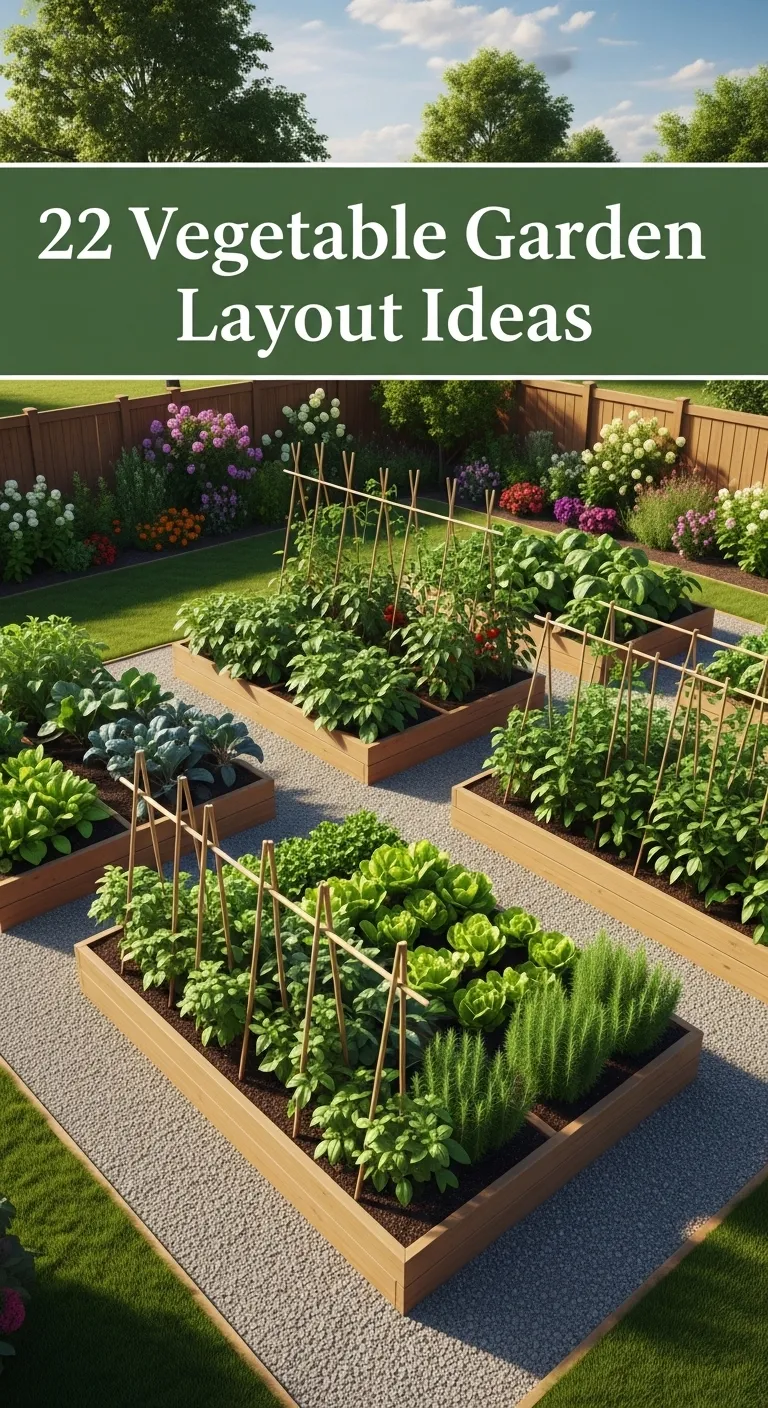
Creating a productive vegetable garden starts with the right planning and structure. Vegetable Garden Layout Ideas can help you organize your garden space efficiently while improving plant growth and overall harvest. With a thoughtful design, you can maximize available space, enhance soil health, and ensure each plant receives the sunlight and nutrients it needs. These Vegetable Garden Layout Ideas include everything from raised beds and traditional row gardening to vertical gardens and smart companion planting techniques. Whether you have a small backyard, a patio garden, or a large outdoor plot, these Vegetable Garden Layout Ideas will inspire you to design a functional, organized, and highly productive garden this season.
1. Raised Bed Gardening
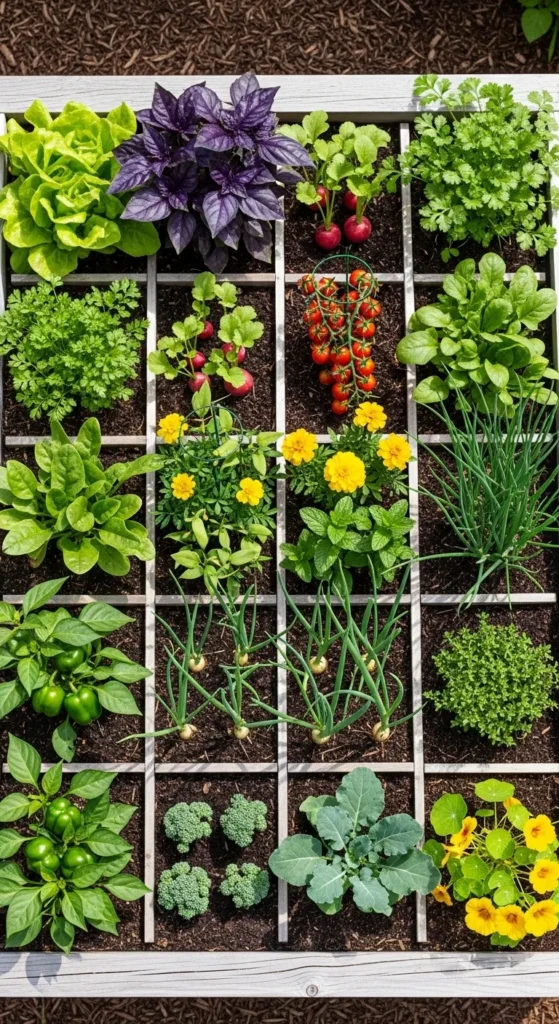
Raised bed gardening is an excellent layout idea for maximizing space and improving soil quality in your vegetable garden. These beds are elevated off the ground, which improves drainage and prevents soil compaction. Raised beds also offer better control over soil quality, allowing you to fill them with nutrient-rich soil that supports plant growth.
By using raised beds, you can separate different types of vegetables for easier maintenance and harvesting. They also offer a more organized, aesthetically pleasing layout, helping you grow more in smaller spaces and reducing the need for weeding. This is a perfect solution for gardeners looking for both productivity and visual appeal.
2. Square Foot Gardening
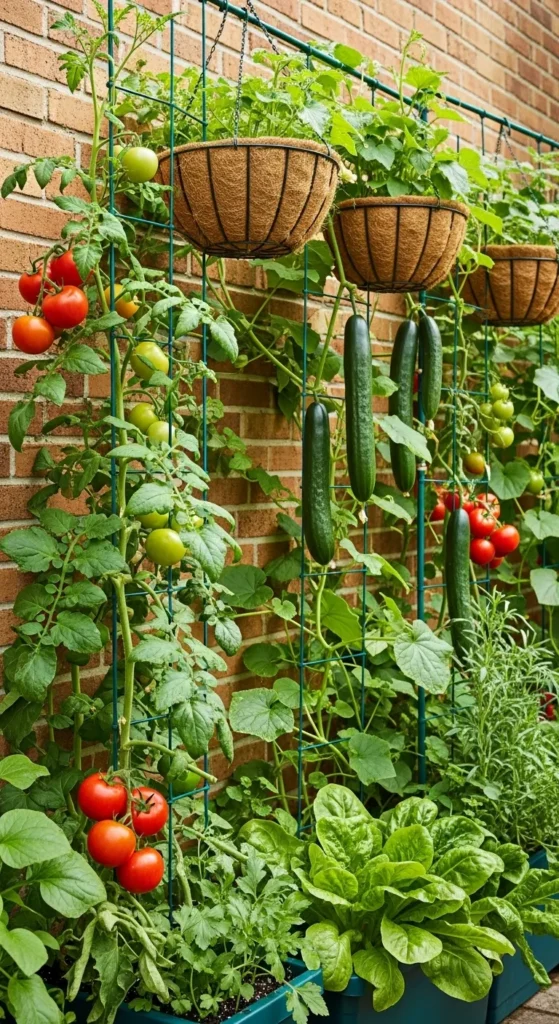
Square foot gardening is a highly efficient layout that divides your garden space into square-foot sections, each dedicated to one type of plant. This method maximizes space by ensuring each plant gets enough room to grow while reducing overcrowding. It’s perfect for small to medium-sized gardens where every inch counts.
This layout allows you to plant a variety of vegetables, herbs, and flowers in a compact area, making it easy to grow a diverse garden. The precise spacing encourages healthy growth, while the method is easy to maintain, making it ideal for beginners and experienced gardeners alike.
3. Vertical Gardening
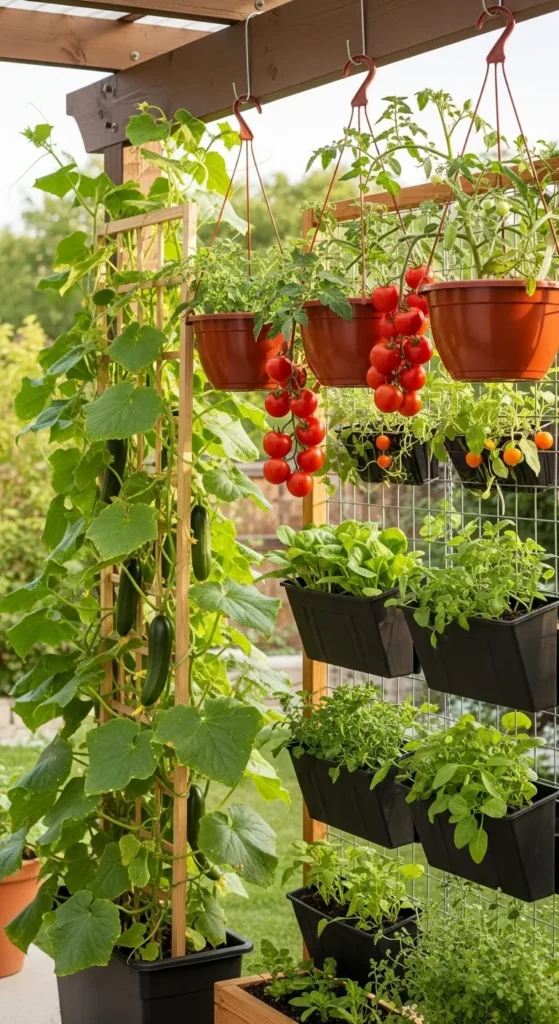
Vertical gardening is a great way to maximize space by growing plants upwards instead of outwards. This layout uses trellises, hanging baskets, and plant towers to support climbing vegetables like tomatoes, cucumbers, and peas. Vertical gardening is especially beneficial in small spaces, such as patios or balconies, where horizontal space is limited.
By growing vertically, you also increase air circulation around your plants, reducing the risk of pests and diseases. It also makes harvesting easier as the plants are elevated, preventing strain on your back. This layout can be used in both container gardening and raised bed setups for a more productive space.
4. Companion Planting Layout
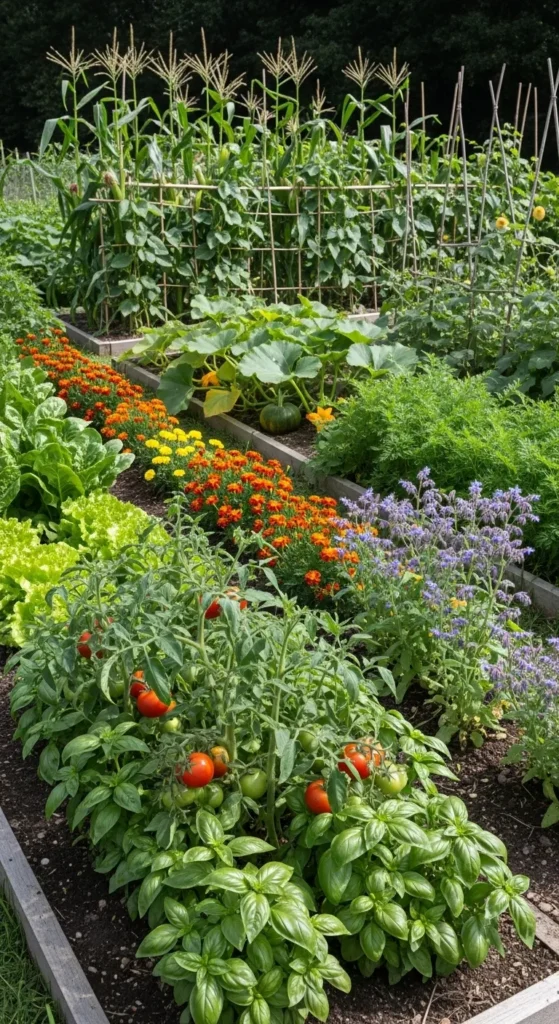
Companion planting is a gardening technique that involves placing specific plants next to each other to enhance growth and protect against pests. In this layout, vegetables like tomatoes and basil, or beans and corn, are planted together because their interactions promote better growth. Some plants naturally repel harmful insects, while others provide support or nutrients to nearby plants.
This layout not only boosts productivity but also creates a more sustainable garden by minimizing the need for pesticides. Companion planting works well in both traditional garden plots and raised bed layouts, making it a versatile method for increasing your harvest while keeping the garden healthy.
5. Row Gardening Layout
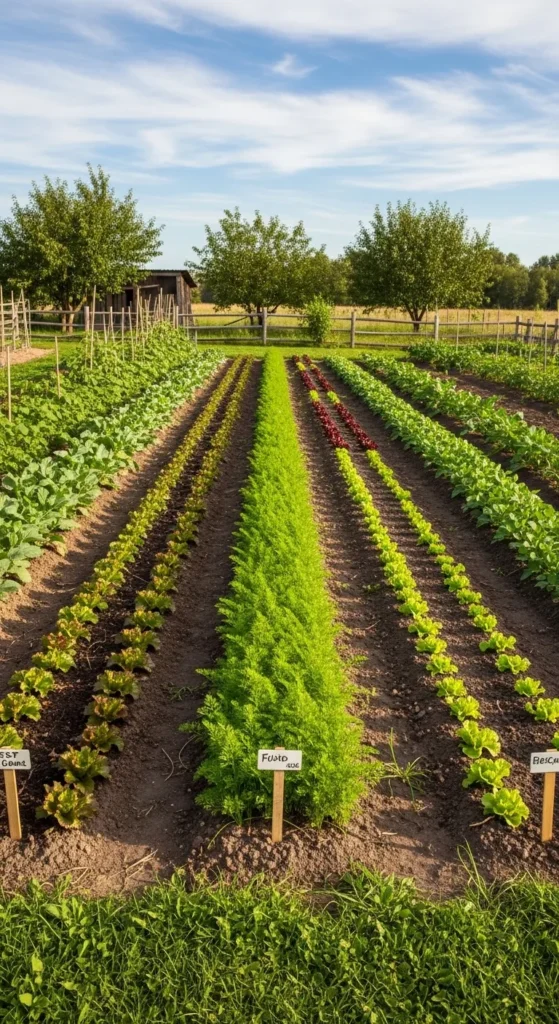
Row gardening is one of the most traditional and common layouts for vegetable gardens. In this design, plants are spaced out in neat rows with enough space between them to allow for easy access, planting, and harvesting. This method works well for larger gardens and is particularly effective for root vegetables like carrots and potatoes.
While row gardening is simple to set up and maintain, it does require more space than other methods like raised beds or square foot gardening. However, it offers the benefit of easy crop rotation and allows for larger-scale vegetable production. For those with plenty of space, this layout is both practical and productive.
6. Contained Garden Layout
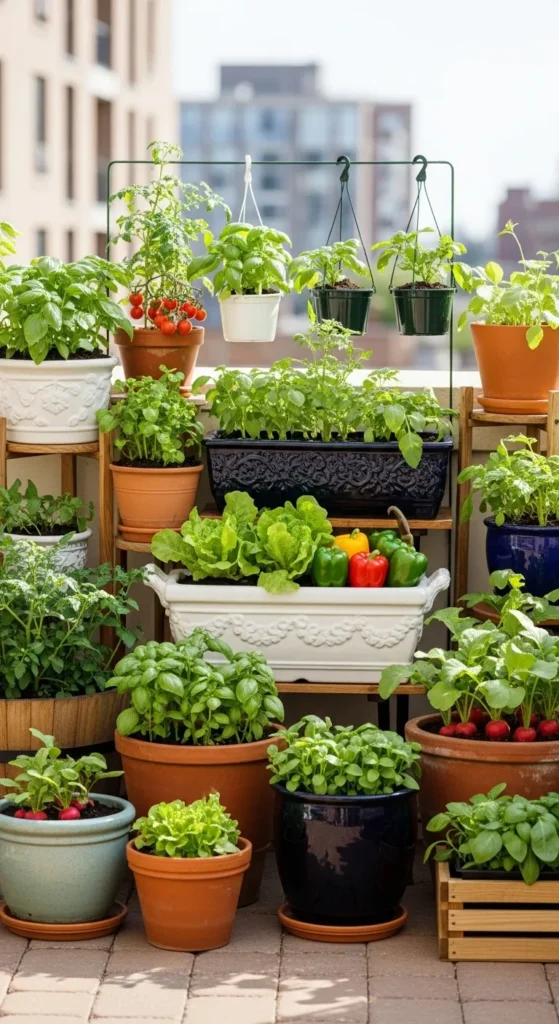
The contained garden layout uses pots, containers, and raised beds to grow vegetables in small spaces, such as patios, balconies, or even rooftops. Containers allow you to grow a wide variety of vegetables, including tomatoes, peppers, and herbs, without taking up much room. This layout is especially ideal for city dwellers or those with limited outdoor space.
In addition to saving space, container gardening provides flexibility. You can move the containers around based on sunlight and temperature, ensuring optimal growing conditions. It’s also easier to control the soil quality and water levels, making it a low-maintenance option for growing vegetables in confined spaces.
7. Keyhole Garden Layout
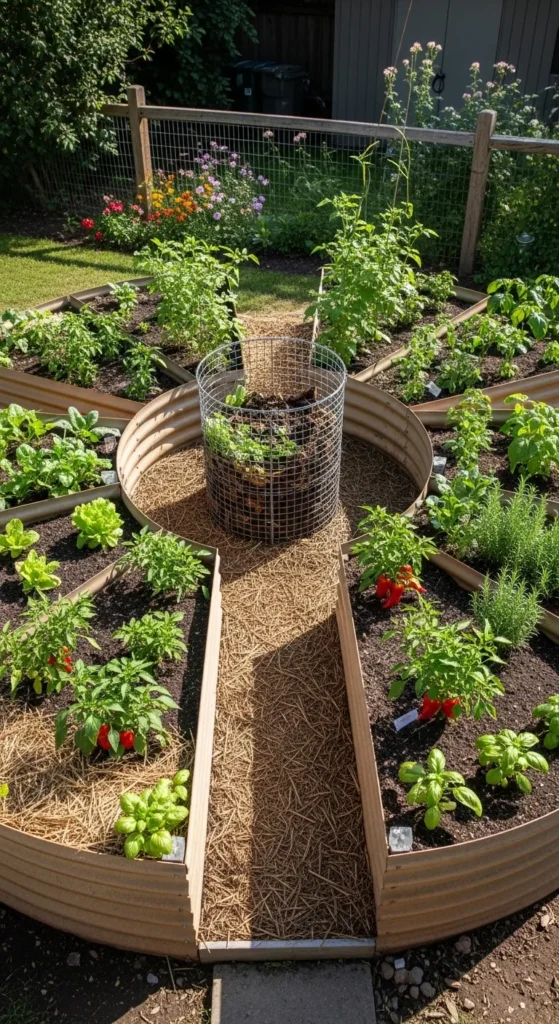
The keyhole garden layout is a circular, raised bed garden that includes a composting center in the middle, allowing for efficient use of water and nutrients. The keyhole design provides easy access to all plants while reducing the amount of space needed for gardening. This layout is perfect for small to medium-sized gardens and can support a variety of vegetables, herbs, and flowers.
The composting center in the middle of the bed continuously provides nutrients to the plants, making this a sustainable, low-maintenance gardening method. This layout encourages organic gardening practices, making it ideal for eco-conscious gardeners who want to create a productive and environmentally friendly space.
8. Spiral Herb Garden Layout
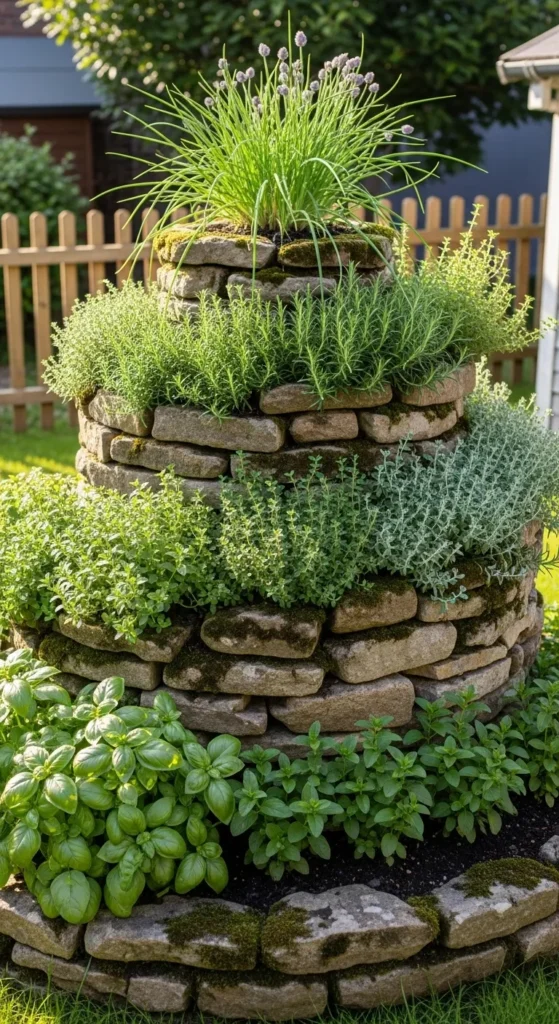
A spiral herb garden layout is an innovative way to grow a variety of herbs in a small, visually appealing space. By stacking the soil in a spiral shape, you create microclimates at different levels of the spiral, allowing for the growth of different herbs that require varying amounts of sunlight and water.
This design makes it easy to access all your herbs and provides a decorative focal point for your garden. It’s perfect for small gardens or even as an addition to your existing vegetable garden. The spiral layout helps maximize space while offering a unique and productive gardening solution.
9. Square Garden Beds
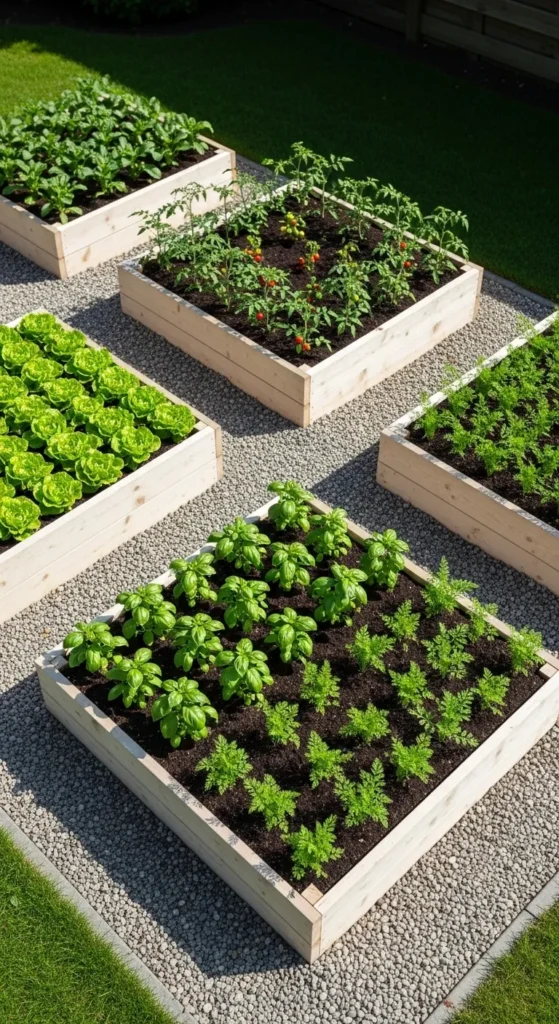
Square garden beds are a versatile and space-efficient layout idea that allows you to grow a variety of vegetables in a compact area. Each square bed can be dedicated to a specific plant or type of vegetable, helping to reduce overcrowding and increase overall productivity. These beds also make it easy to manage crops, with each bed being easily accessible for weeding, watering, and harvesting.
Square garden beds are especially useful in smaller yards or urban environments, where space is limited but you still want to grow a variety of vegetables. The neatly organized layout ensures a tidy and efficient garden, promoting healthy growth for all plants.
10. Circular Garden Layout
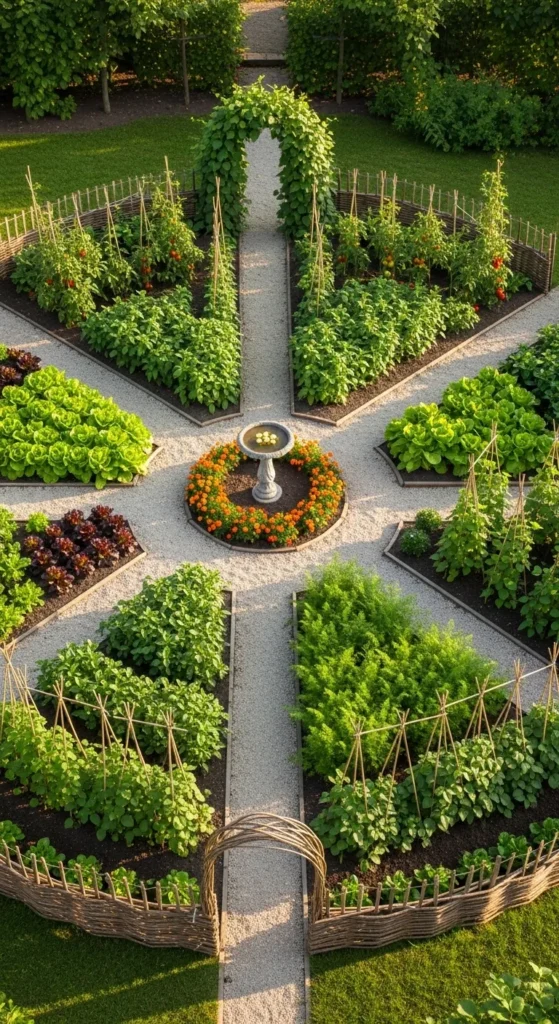
The circular garden layout is an aesthetically pleasing design that allows for efficient use of space while making it easier to access plants from all sides. In this design, a circular planting area is surrounded by pathways that radiate outward, creating a well-organized and easily manageable garden. This layout is great for smaller spaces or those who prefer a visually harmonious garden.
By arranging plants in a circular pattern, you reduce wasted space and can plant in close proximity, maximizing yield. This layout also encourages efficient watering and maintenance, as each plant is easily reachable. It’s a practical and beautiful way to cultivate your vegetable garden.
11. Companion Planting Layout
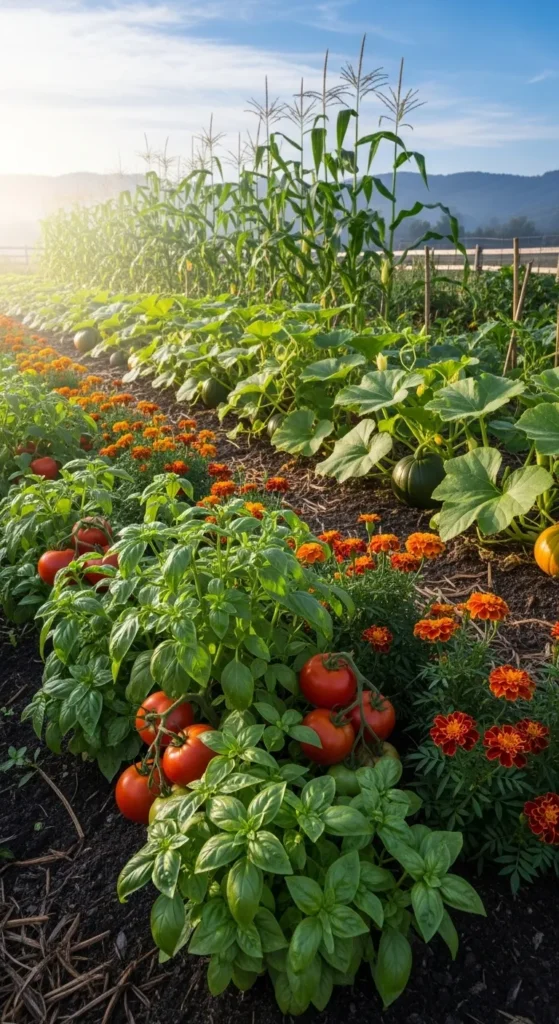
Companion planting is a gardening strategy that places certain plants together to improve growth, repel pests, and boost yields. In this layout, plants that complement each other, such as tomatoes and basil, are planted next to each other. Companion plants work together to create a balanced, healthy garden by providing natural pest control, support, and improved soil conditions.
This layout maximizes productivity by ensuring that each plant gets the benefits of its companions. For example, legumes like beans fix nitrogen in the soil, enriching it for plants like tomatoes or peppers that thrive on nitrogen. Companion planting reduces the need for chemical fertilizers and pesticides, making it an environmentally friendly gardening method.
12. Vertical Tower Garden Layout
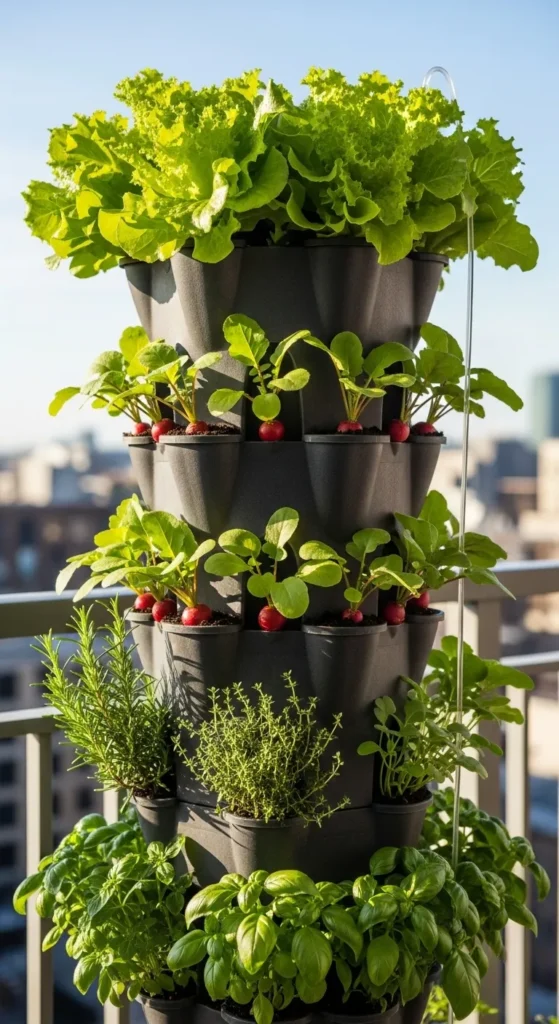
Vertical tower gardening is a space-saving layout that utilizes vertical space to grow herbs, vegetables, and flowers. In this design, plants are stacked in a tower structure with multiple planting tiers, allowing for more plants in less space. Vertical towers are ideal for growing smaller vegetables like lettuce, spinach, or radishes, which require minimal root space.
This layout is especially effective for urban gardening, where space is limited. Vertical tower gardens not only make use of small areas but also promote efficient water usage, as water can drip down from one level to the next, ensuring that all plants receive adequate moisture.
13. Hugelkultur Garden Layout
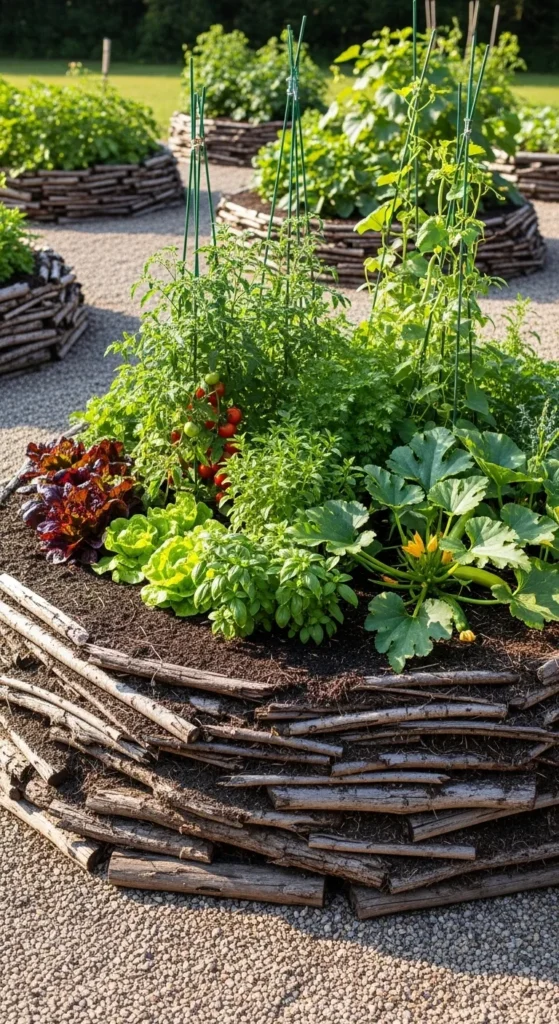
Hugelkultur gardening is a unique method where decomposing wood, branches, and organic matter are buried under a layer of soil to create raised garden beds. This method mimics nature’s processes, creating nutrient-dense soil that retains moisture and encourages healthy plant growth. Hugelkultur beds are ideal for gardeners looking to improve soil fertility naturally.
This layout works well for growing a wide variety of vegetables, as the decaying wood releases nutrients over time, helping to nourish your plants. It’s also an eco-friendly option that makes use of organic materials and reduces the need for chemical fertilizers.
14. Keyhole Garden Layout
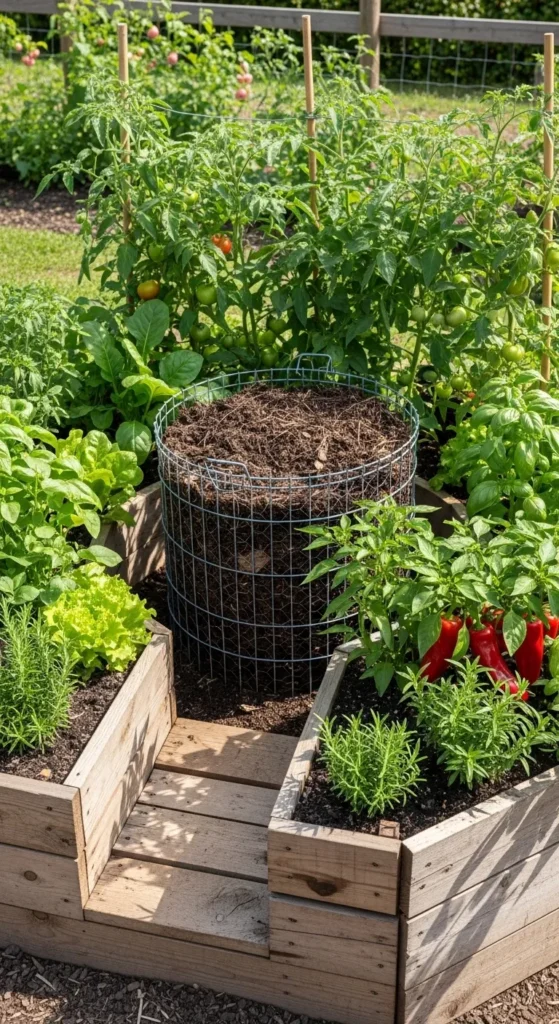
Keyhole gardens are circular, raised bed designs with a central composting area that allows for efficient watering and nutrient distribution. The name “keyhole” comes from the shape of the garden, which looks like a keyhole from above. This layout maximizes space and makes gardening more efficient by utilizing composting to nourish the plants.
The composting center in the middle acts as a continuous source of nutrients for your plants, making this layout both sustainable and productive. Keyhole gardens are perfect for small to medium-sized areas, offering an eco-friendly solution to growing vegetables with minimal effort.
15. Container Garden Layout
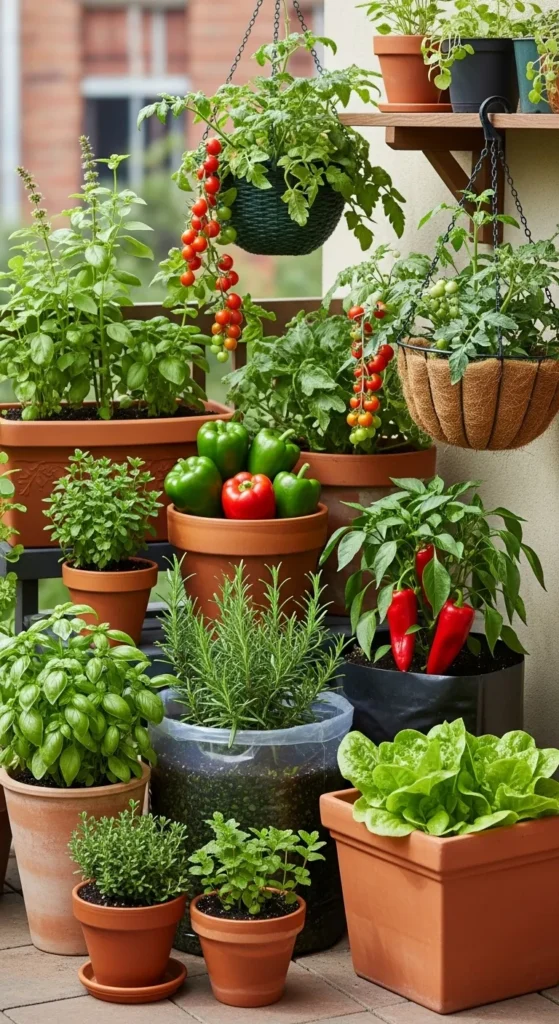
Container gardening is a flexible and space-efficient layout that allows you to grow vegetables in pots, containers, or hanging baskets. It’s an ideal solution for small spaces like balconies, patios, or even rooftops, where traditional ground gardening may not be feasible. You can grow everything from herbs and lettuce to tomatoes and peppers in containers.
This layout offers the flexibility to move your plants based on sunlight and temperature, making it a perfect option for urban gardeners. Container gardens are also easier to manage and can help with soil control, ensuring that your vegetables thrive in well-draining, nutrient-rich soil.
16. Spiral Garden Layout
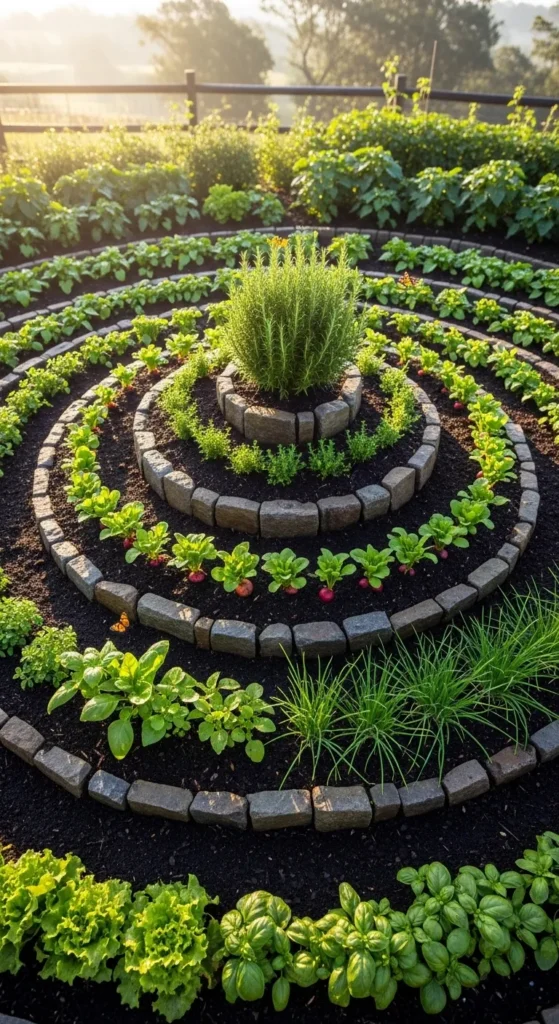
The spiral garden layout is a unique, space-efficient design where soil is stacked in a spiral pattern, allowing for different microclimates at various levels. This setup is great for growing a variety of plants that require different amounts of sunlight, water, or nutrients. The spiral design also helps save space while providing a visually interesting feature in the garden.
This layout is particularly beneficial in small spaces, as it maximizes vertical growth while still offering easy access to the plants. By placing plants in the right spots based on their growing needs, spiral gardens ensure better yields and healthier crops with minimal effort.
17. Companion Planting Layout
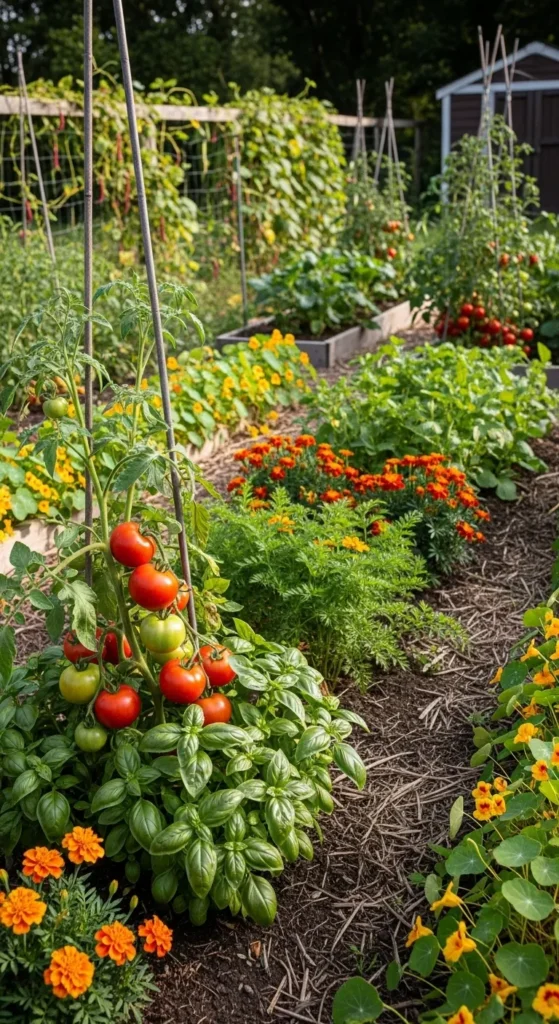
Companion planting is a layout strategy that pairs specific plants together to improve growth, reduce pests, and maximize productivity. For example, planting basil next to tomatoes helps to repel certain insects while enhancing tomato flavor. This method promotes a balanced garden ecosystem, reducing the need for chemical fertilizers and pesticides.
By thoughtfully arranging plants that support each other, you can optimize space and create a healthier garden. Companion planting works well in both traditional garden plots and raised bed designs, offering an eco-friendly way to manage your vegetable garden while increasing harvest yields.
18. Intensive Gardening Layout
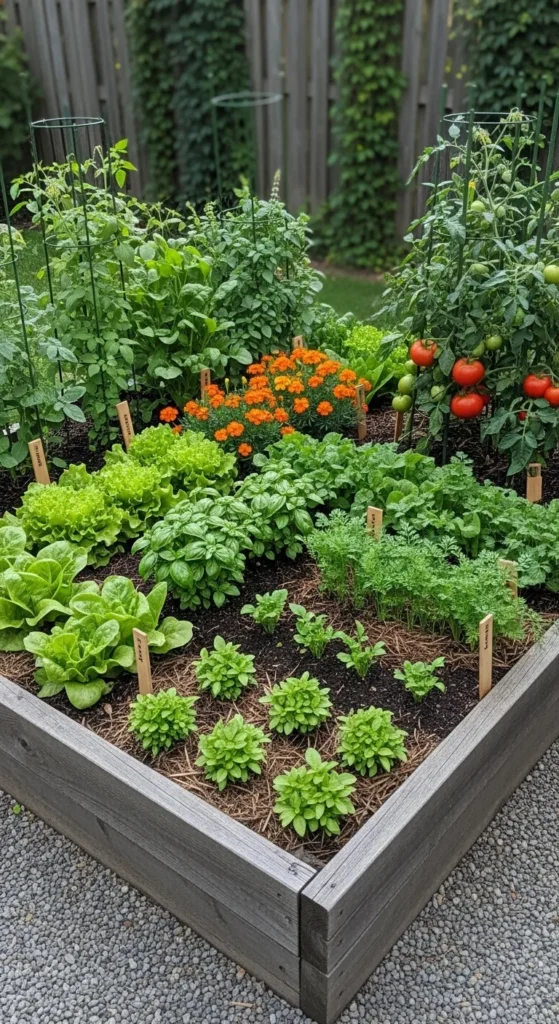
Intensive gardening involves planting crops closer together than traditional methods to maximize space and increase yield. This layout is ideal for gardeners looking to grow a large variety of vegetables in a limited area. By carefully planning the spacing of your crops, you can fit more plants into a smaller plot, which increases production without sacrificing plant health.
Intensive gardening is a great option for urban gardeners or anyone with limited space. This layout requires careful planning to ensure plants have adequate nutrients and sunlight, but when done correctly, it can result in a high-output garden in a small area.
19. Circular Garden Layout

The circular garden layout is an aesthetically pleasing design that uses a circular bed with paths radiating outward from a central point. This layout is efficient because it allows you to reach all parts of the garden without stepping on the soil. It’s also visually appealing, creating a balanced and organized look in the garden.
By planting different vegetables in each section, you can create an efficient growing space while still maintaining access to all plants. This layout works well in small to medium-sized gardens and can be adapted for both traditional and raised bed gardening.
20. U-Shaped Garden Layout
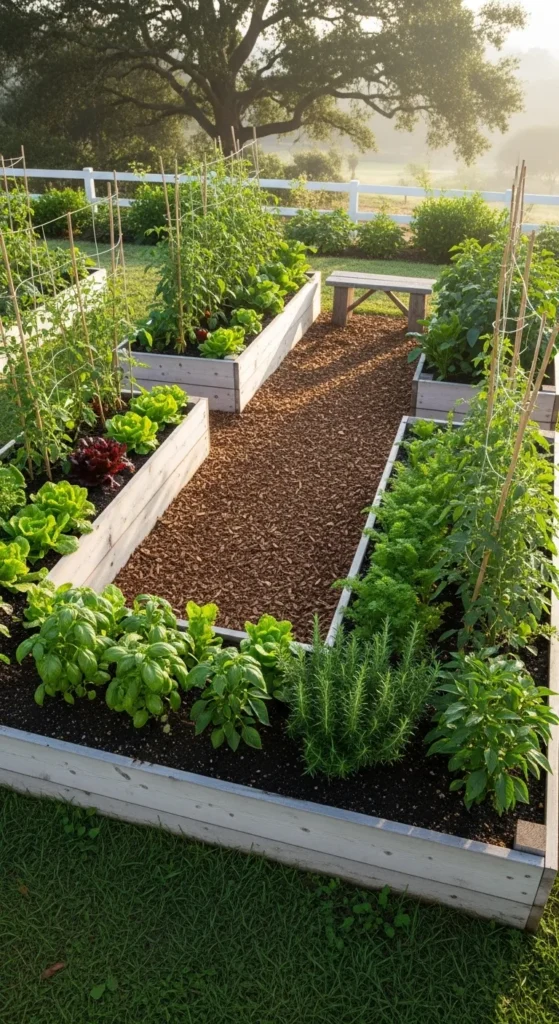
A U-shaped garden layout is designed to maximize space and make gardening tasks easier. This layout features beds on three sides of the garden, forming a “U” shape. The layout allows easy access to all plants, while the compact design ensures that you can grow a wide variety of vegetables in a relatively small area.
This layout is ideal for gardeners who want to maximize space while maintaining efficiency. The open center makes it easy to walk around the garden, water plants, and tend to crops, making it perfect for small to medium-sized gardens where access and space are key concerns.
21. Linear Garden Layout

The linear garden layout is a classic design where vegetables are planted in neat, straight rows, making it easy to access each plant for watering, weeding, and harvesting. This layout works well for larger gardens or garden plots where long rows are possible. It’s an efficient design that ensures each plant has enough space to grow while allowing easy movement between rows.
While it requires more space than other layouts, the linear design is simple and functional, making it ideal for gardeners who want to grow a variety of vegetables without worrying about complex layouts. The layout also promotes crop rotation, ensuring better soil health and productivity.
22. Raised Rows Garden Layout
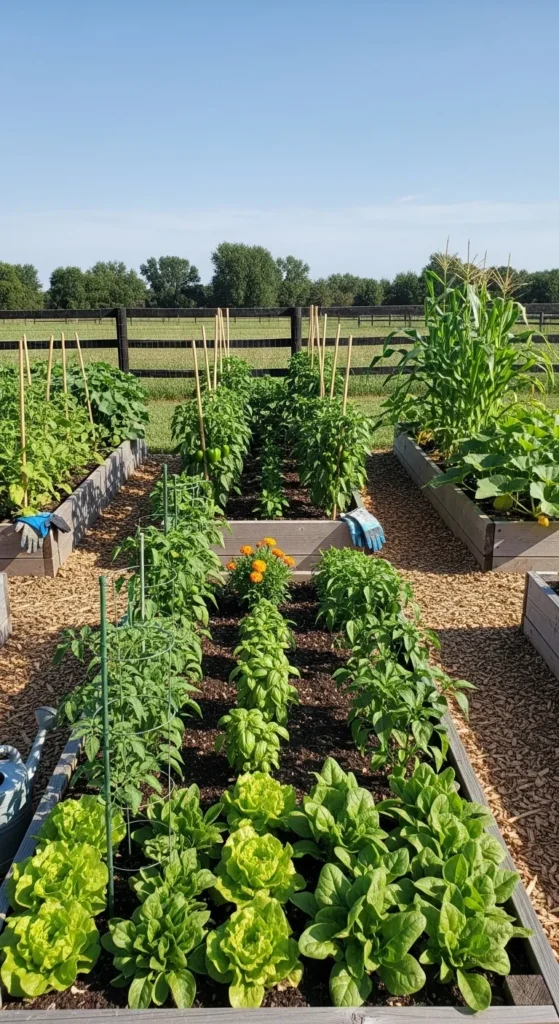
Raised rows gardening is a layout that uses mounded soil to create raised rows where vegetables are planted. These rows are slightly elevated, promoting better drainage and improving plant health. The raised design also reduces the amount of bending required during planting and harvesting, making it a comfortable option for gardeners with limited mobility.
This layout is perfect for gardeners who want to improve soil quality and drainage in their vegetable garden. Raised rows allow for efficient watering and reduce waterlogging, which is essential for growing healthy, thriving crops. It’s an ideal solution for vegetable gardens in areas with poor drainage or compact soil.
Conclusion:
A well-planned vegetable garden layout can make all the difference when it comes to productivity and ease of care. Whether you’re working with a small space or a large plot, these 22 vegetable garden layout ideas will help you optimize your space, grow more food, and enjoy a more efficient gardening experience. From vertical gardens to raised beds and companion planting, these designs will ensure a bountiful harvest this season.