

BLOG
23 Vinyl Fence Calculator A Complete Guide

Installing a vinyl fence is an excellent way to enhance your property’s security, privacy, and curb appeal. Using a Vinyl Fence Calculator can simplify your planning by helping you accurately determine the number of panels, posts, and gates needed for your project. By calculating materials in advance, you can stay within budget, reduce waste, and ensure a smooth installation process.
This complete guide will show you how to effectively use a Vinyl Fence Calculator, offering essential tips and tricks for precise measurements and efficient planning. Whether you’re a DIY enthusiast or hiring professionals, a Vinyl Fence Calculator helps you plan your project with confidence, ensuring your fence installation is cost-effective, well-organized, and perfectly suited to your space.
1. How a Vinyl Fence Calculator Works
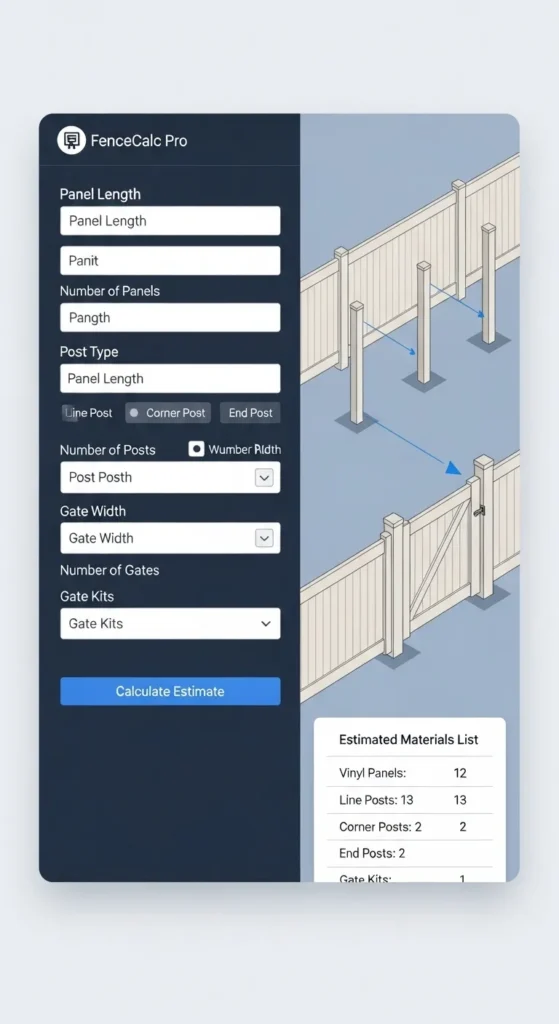
A vinyl fence calculator is an essential tool for homeowners planning a fence installation project. By inputting simple measurements such as the length of your fence line, the height of the fence, and the type of vinyl fence you want to install, the calculator will give you an accurate estimate of how many panels, posts, and gates you need. This makes it easier to order the right amount of materials, preventing waste and ensuring you don’t fall short during installation.
For instance, if you have a 100-foot fence line and want a 6-foot tall fence, the calculator will consider these factors and tell you how many panels, posts, and accessories like post caps are required. The tool takes the guesswork out of your project, giving you confidence in your material estimates and overall cost.
2. Determining the Correct Fence Height
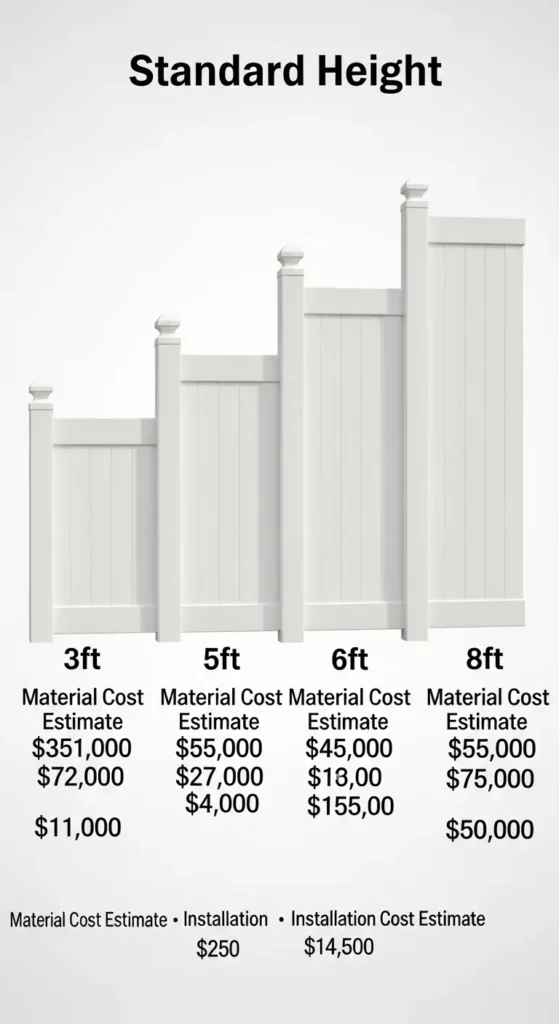
Choosing the correct fence height is one of the first steps in using a vinyl fence calculator. The height of your fence will directly impact both the cost and the number of materials needed. Typically, residential fences range from 3 to 6 feet in height, with 6 feet being the most common for privacy fences. However, taller fences, such as those 8 feet high, are necessary in certain areas for additional privacy or security.
When determining the height for your vinyl fence, consider factors such as your desired level of privacy, local regulations, and the aesthetic look you’re aiming for. A higher fence may require more materials and additional posts, resulting in higher installation costs. A vinyl fence calculator can help you calculate the material quantity based on your chosen height, ensuring you have the right amount of materials without overspending.
3. Calculating the Number of Fence Panels
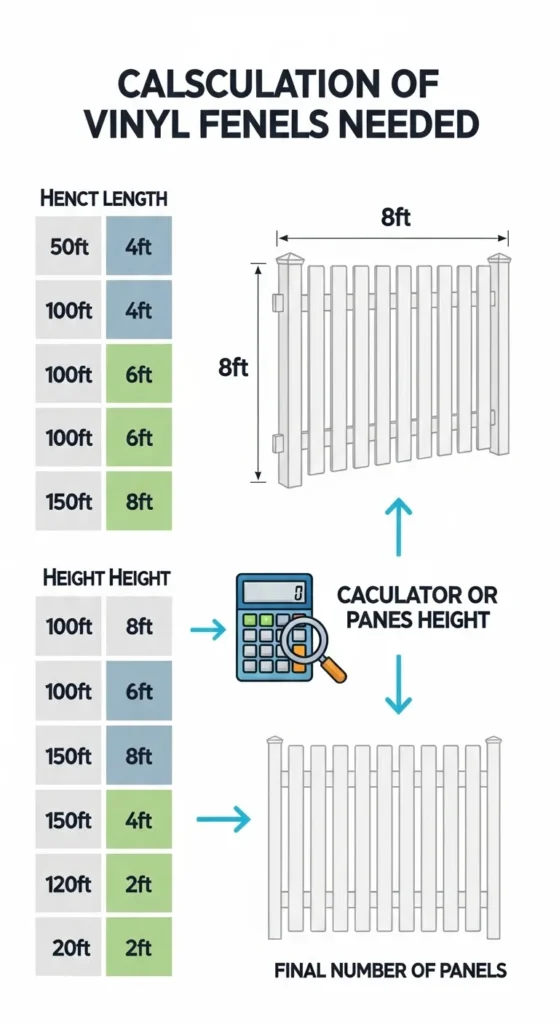
Fence panels are the main component of any vinyl fence, and using the vinyl fence calculator to determine how many you need is crucial for a successful project. The number of panels required will depend on the total length of your fence line and the width of each panel. On average, a vinyl fence panel is around 6 feet wide, so a 100-foot fence line would require approximately 17 panels.
However, this number may vary based on the height and design of your fence. Taller fences may require larger or more sturdy panels, and decorative fences may use different panel configurations. The calculator will help you determine the exact number of panels needed based on your measurements, ensuring you order the correct amount and reduce waste.
4. Determining the Number of Posts Needed
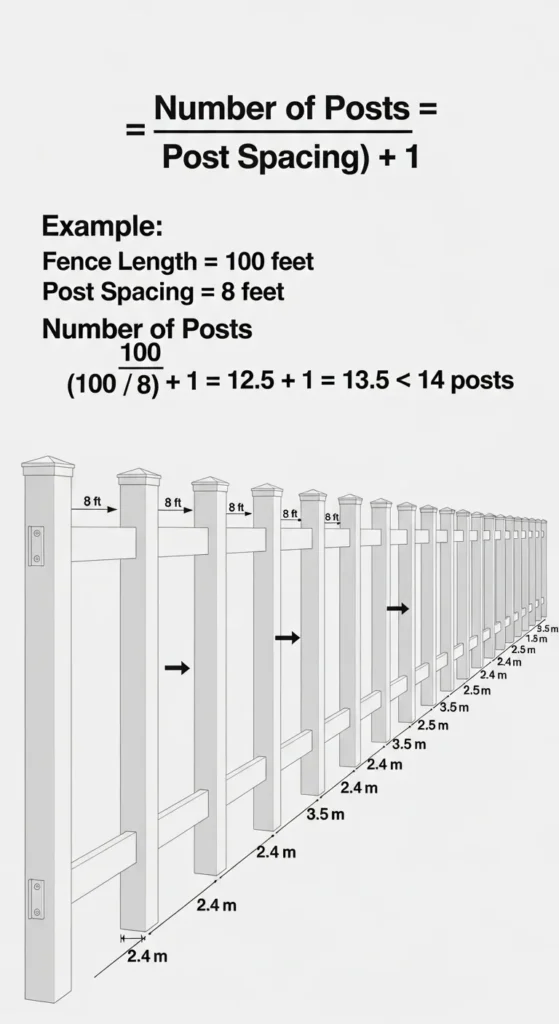
The number of vinyl fence posts required for your project depends on both the total length of your fence line and the type of posts used. Standard posts are typically spaced 6 to 8 feet apart, depending on the type of vinyl fence and the weight of the panels. The vinyl fence calculator can help you determine the exact number of posts you’ll need based on the size of your fence and the spacing guidelines for your specific vinyl material.
Generally, for a 100-foot fence, you’ll need around 16 to 18 posts, but this can vary based on the design. Corner posts, gate posts, and line posts may all require different installation methods, which the calculator can help you calculate. It’s essential to account for these variations to ensure your project runs smoothly and you have enough materials for a solid foundation.
5. Estimating Gate Costs and Quantity
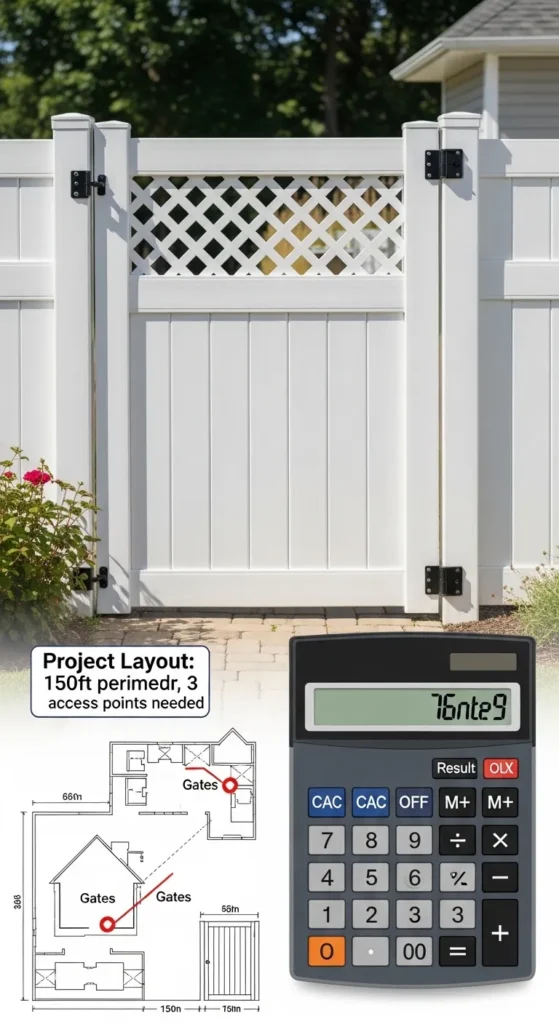
When calculating the number of gates for your vinyl fence, it’s essential to consider the purpose and layout of your property. Whether you’re adding a single gate for pedestrian access or multiple gates for vehicle access, the vinyl fence calculator can help estimate the number of gates required. Typically, gates are 4 to 6 feet wide, and the calculator will take into account the number of gates based on the size of your fence and the number of entry points.
Additionally, the calculator helps you determine the additional materials needed for gate installation, including gate posts, hardware, and accessories. While gates can be one of the more expensive components of a fence installation, knowing how many you need upfront can help you budget more accurately and avoid unnecessary costs.
6. Choosing Between Different Vinyl Fence Styles
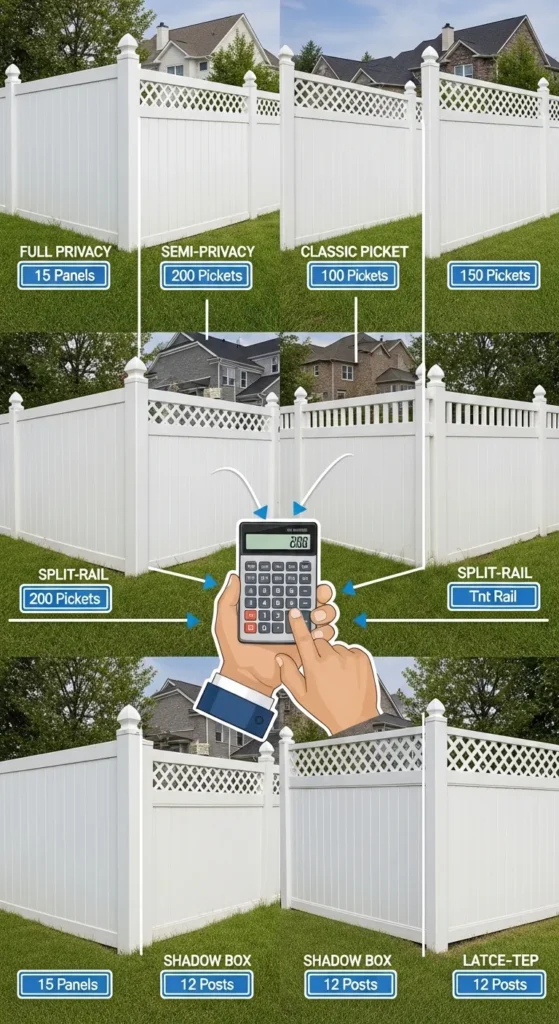
Vinyl fences come in various styles, including privacy, semi-privacy, and picket. Each style requires different amounts of material, and the vinyl fence calculator can help you estimate the amount of vinyl you’ll need based on the style you choose. Privacy fences require more panels and posts due to the solid, unbroken design, while picket fences use less material due to the gaps between slats.
Semi-privacy fences offer a balance between openness and privacy, requiring fewer materials than a full privacy fence but more than a picket fence. When using the calculator, select the fence style that best suits your needs, whether it’s privacy for seclusion, aesthetic appeal for curb appeal, or a functional design for boundary marking.
7. Determining Your Budget with the Fence Calculator
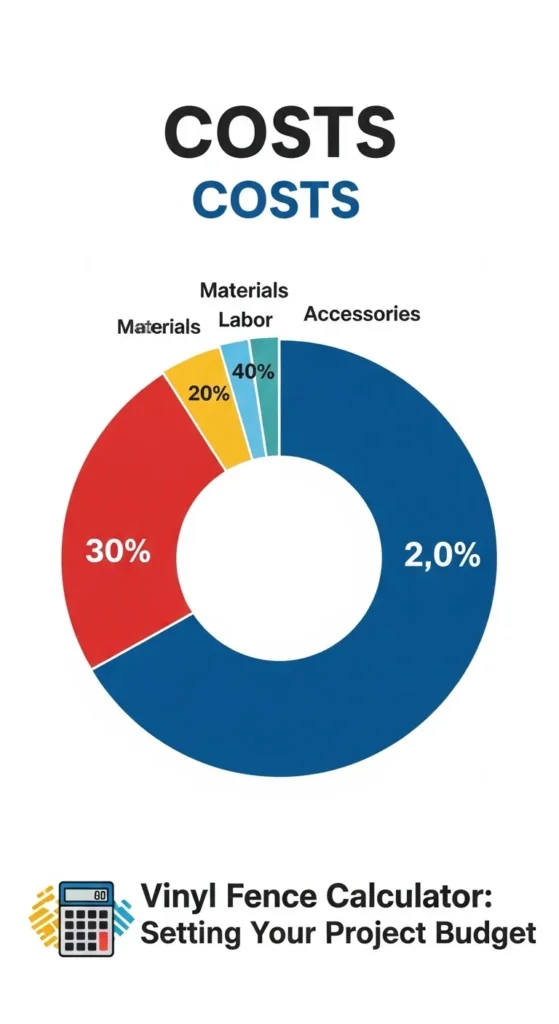
Using a vinyl fence calculator doesn’t just help with material quantities—it’s also a great tool for setting a budget for your project. The calculator will estimate costs based on the number of panels, posts, gates, and accessories you plan to use. It will also factor in additional costs such as labor, installation, and any additional equipment or materials.
By inputting your fence dimensions, style, and material preferences, the calculator provides an estimated total cost for the entire project, which helps you manage your budget more effectively. With this knowledge, you can make adjustments to the scope of the project, choose different materials, or modify your plans to stay within your desired budget.
8. Accounting for Fence Accessories
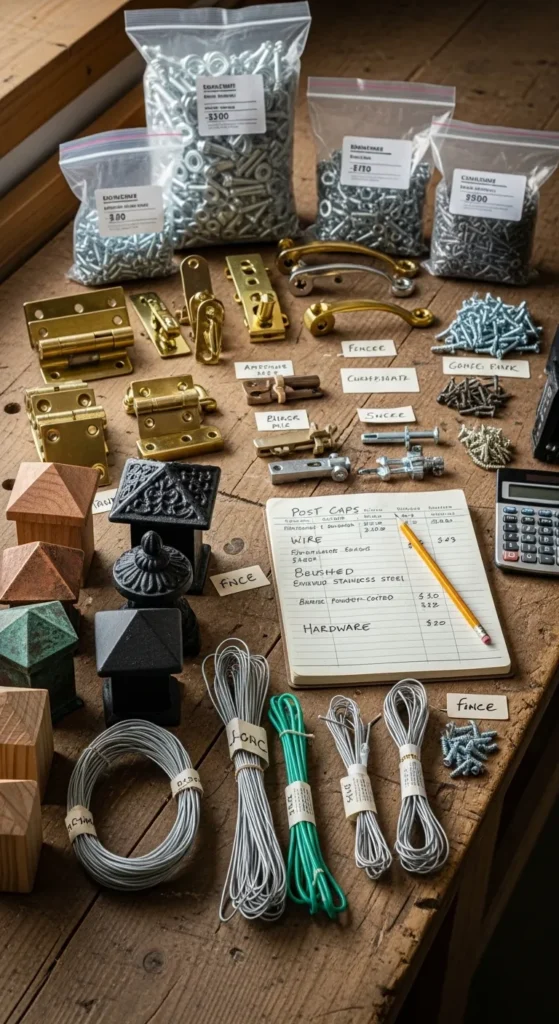
When planning a vinyl fence installation, it’s essential to account for accessories such as post caps, brackets, trim, and fasteners. These items may seem minor, but they can add up and affect your overall project cost. The vinyl fence calculator helps you determine how many accessories you’ll need based on your fence layout and design.
Post caps, for example, come in various styles, including flat, decorative, or solar-powered options. Depending on the look you want for your fence, the calculator will estimate how many caps are needed for the posts. Other accessories, such as brackets for gates and gate hardware, are also considered to ensure a complete and functional installation.
9. Installation Time Estimation
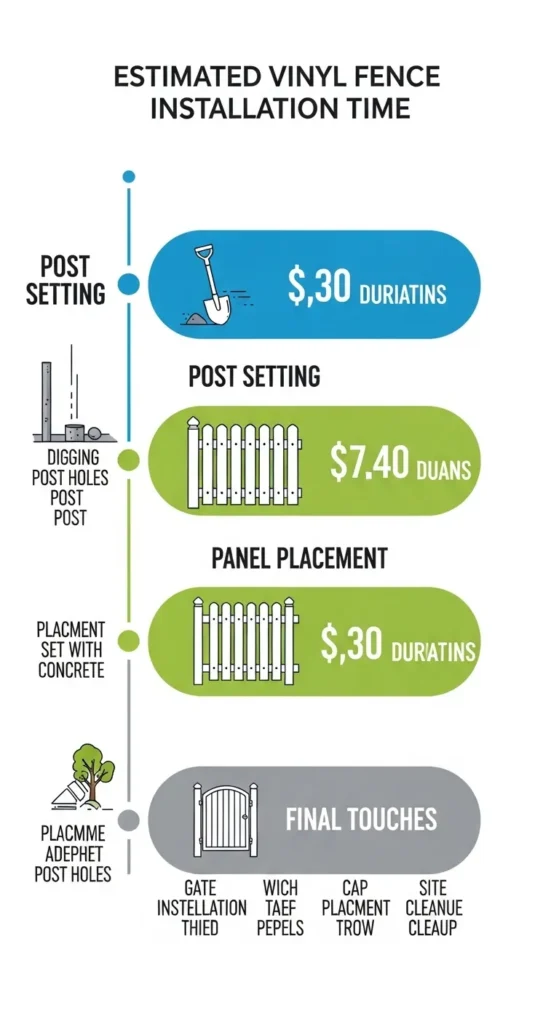
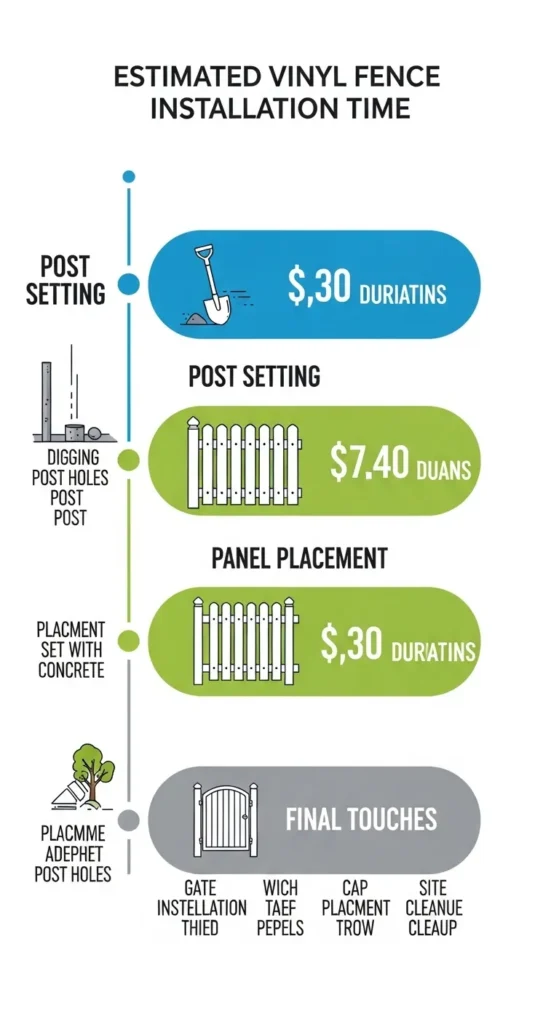
Using a vinyl fence calculator can also help you estimate the time required for your fence installation project. While the actual time may vary depending on the size of the project, the number of workers, and the complexity of the installation, the calculator provides a general idea of how long it will take. Typically, installation can take anywhere from one to three days for a small to medium-sized fence.
For larger projects, such as those involving gates, custom posts, or complex layouts, installation may take longer. The calculator provides an estimated time frame for each stage of the installation process, such as post setting, panel placement, and gate installation. This information helps you plan accordingly, ensuring your project stays on track and within schedule.
10. Comparing Vinyl Fencing to Other Materials
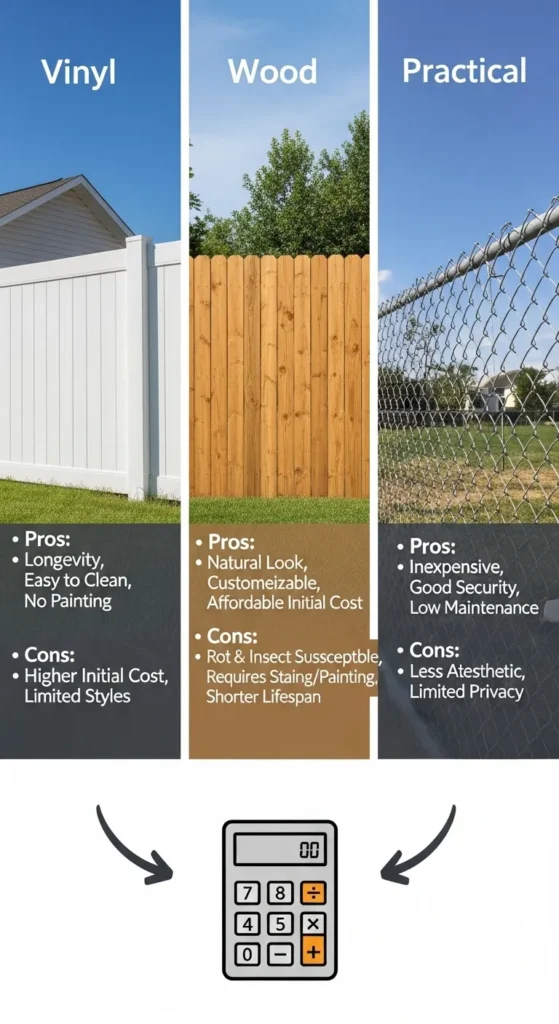
When considering vinyl fencing, it’s important to compare it to other common materials such as wood and chain link. Vinyl fences are more durable, low-maintenance, and resistant to weather elements compared to wood, which requires frequent staining or painting. Chain link fences, while more affordable, do not provide the same level of privacy as vinyl fences.
The vinyl fence calculator helps you weigh the material costs by comparing the different options. While vinyl may have a higher initial cost, it offers greater long-term value due to its durability and minimal maintenance. The calculator allows you to input different materials and adjust for factors like longevity and upkeep, helping you choose the best option for your needs and budget.
11. DIY vs. Professional Vinyl Fence Installation
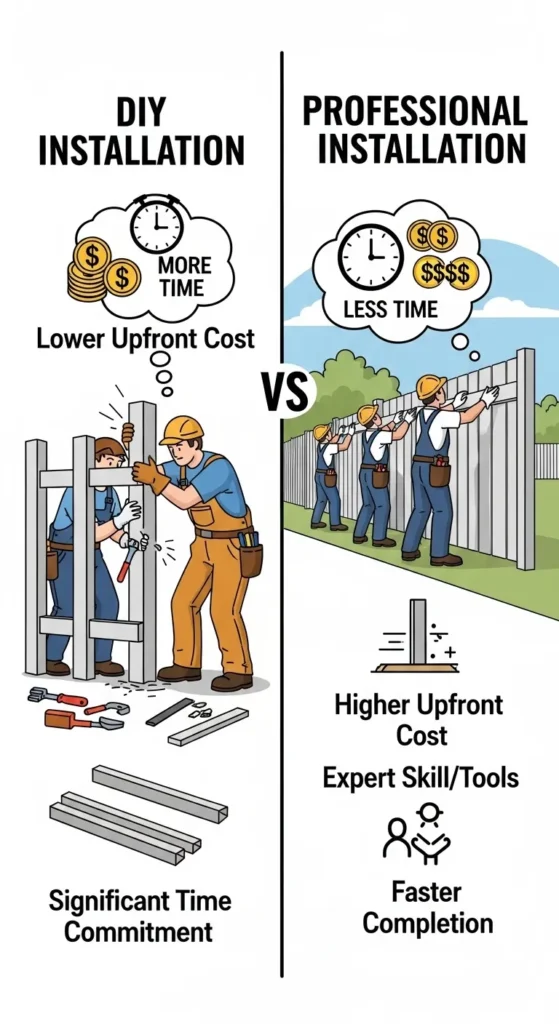
When deciding to install a vinyl fence, you’ll need to choose between doing it yourself or hiring a professional. The vinyl fence calculator helps you estimate costs for both options. DIY installation can save on labor costs, but it requires a certain level of skill and time investment. Professional installation comes with higher costs, but it ensures that the fence is installed correctly and meets local building codes.
For a typical homeowner with little experience in fence installation, hiring a professional is often the best option. Professionals will ensure the fence is secure, properly aligned, and durable. However, if you’re confident in your abilities, DIY installation with the help of the calculator can be a cost-effective option for smaller projects.
12. How to Measure Your Yard for Vinyl Fencing
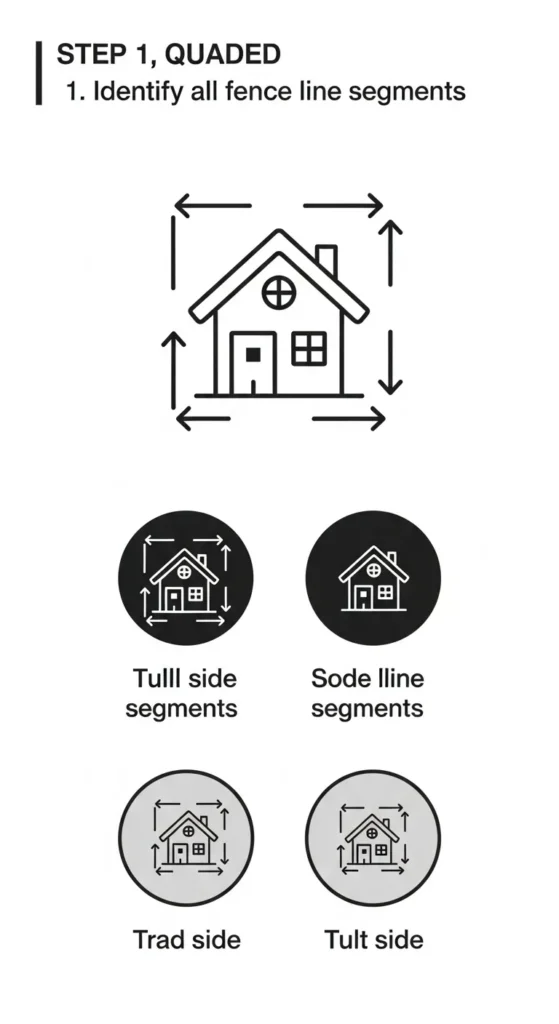
Before using a vinyl fence calculator, it’s essential to accurately measure your yard to ensure the proper amount of fencing material. Start by measuring the total length of the fence line, including any corners or curves in your yard. For a straight-line fence, simply measure the length from one point to another.
Be sure to measure any gates or entrances separately, as these will require different materials. It’s also helpful to account for any obstructions, such as trees or bushes, that may require you to modify the layout or add extra posts. Accurate measurements ensure that the calculator provides you with the correct amount of materials.
13. Understanding Vinyl Fence Panel Sizes
Vinyl fence panels come in different sizes, typically ranging from 4 feet to 8 feet in height. The size of the panel directly affects the cost and material requirements for your project. Shorter panels are less expensive and can be used for decorative or low-privacy fencing, while taller panels are ideal for full privacy and security.
When using the vinyl fence calculator, be sure to select the correct panel size for your desired level of privacy and the design of your fence. Taller panels require more material and posts, so the calculator will help you adjust your cost estimate based on the panel height you choose.
14. How to Calculate Fence Corner Posts
Corner posts are essential when installing a vinyl fence, as they provide stability and help change the direction of the fence. These posts are typically larger and require more material than standard line posts. The vinyl fence calculator takes corner posts into account by adding an additional post for each corner in your fence layout.
Depending on the number of corners in your fence design, you may need several corner posts. For each turn or angle, the calculator will help you determine how many extra posts are necessary, helping you get an accurate estimate of the materials required for the project.
15. Understanding Post Spacing for Vinyl Fencing
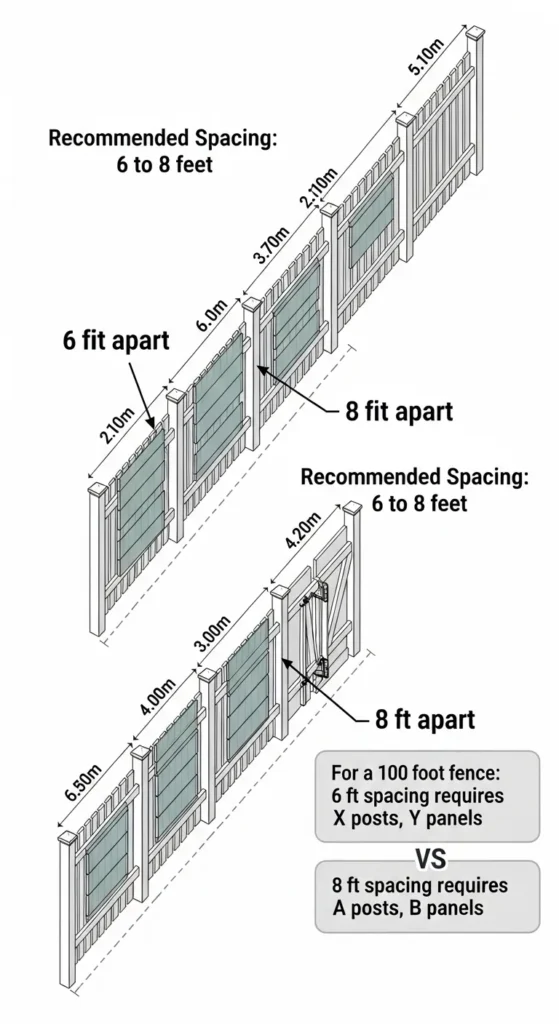
Proper post spacing is crucial for a strong and secure vinyl fence. The standard spacing between vinyl fence posts is 6 to 8 feet, depending on the size and type of fence panels. The vinyl fence calculator helps you determine the appropriate post spacing based on your chosen fence style and the length of your fence line.
Spreading posts too far apart can result in a less stable fence, while spacing them too closely can lead to unnecessary material costs. The calculator considers the type of vinyl fence you select and recommends post spacing that ensures your fence is both sturdy and cost-effective.
16. How to Account for Uneven Terrain
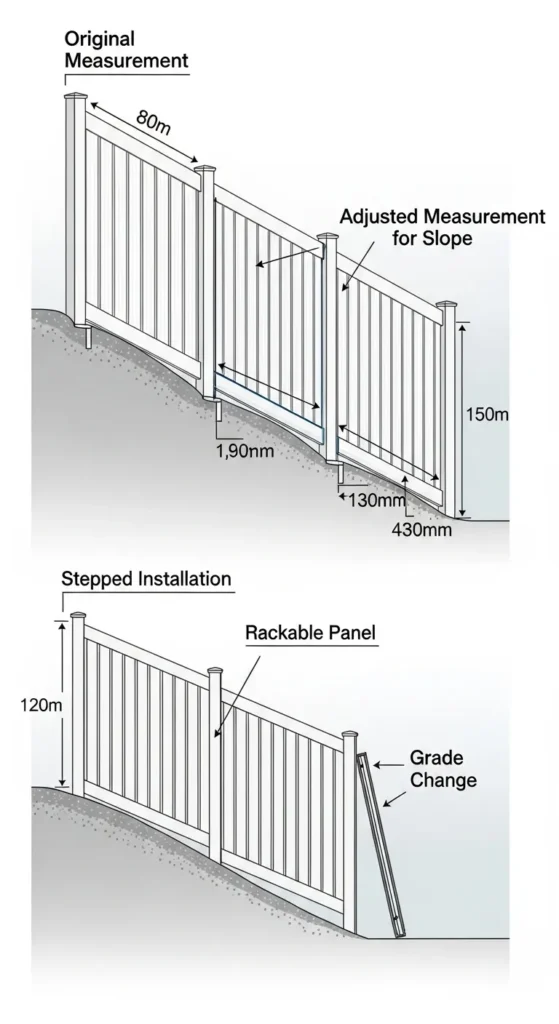
Installing a vinyl fence on uneven terrain presents unique challenges, especially when working with sloped or hilly areas. The vinyl fence calculator helps account for these challenges by allowing you to input the slope of your terrain. When dealing with uneven ground, the posts may need to be adjusted to accommodate the incline.
The calculator will help you determine if the fence requires stepped panels or if it can follow the natural slope of the land. These adjustments may increase the material cost slightly due to additional labor and customization. However, the calculator helps you plan ahead and avoid unexpected costs during installation.
17. Adding Vinyl Fence Gates and Latches
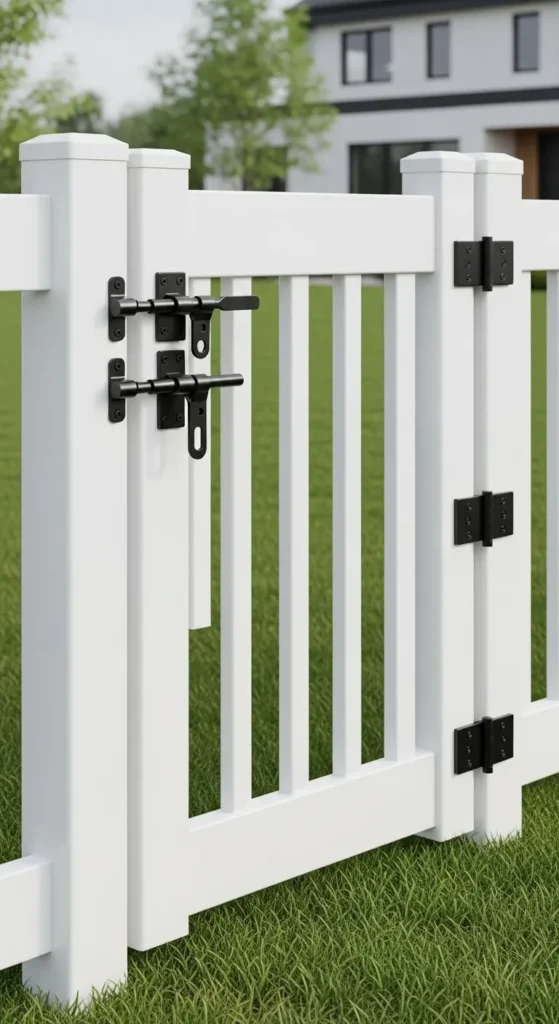
Gates are an essential part of any vinyl fence, whether for pedestrian or vehicle access. The vinyl fence calculator helps you determine how many gates are needed based on the layout of your fence and how many entry points you require. Gates are usually sold separately from panels, and the calculator will ensure that you account for the additional materials and hardware, such as latches and hinges, required for proper installation.
When determining the number of gates, it’s important to decide whether you need a single gate or double gates for wider access. The calculator provides estimates for both, allowing you to plan accordingly. Be sure to factor in the cost of gate accessories like locking mechanisms or decorative hardware for an added touch.
18. Factoring in Vinyl Fence Post Caps
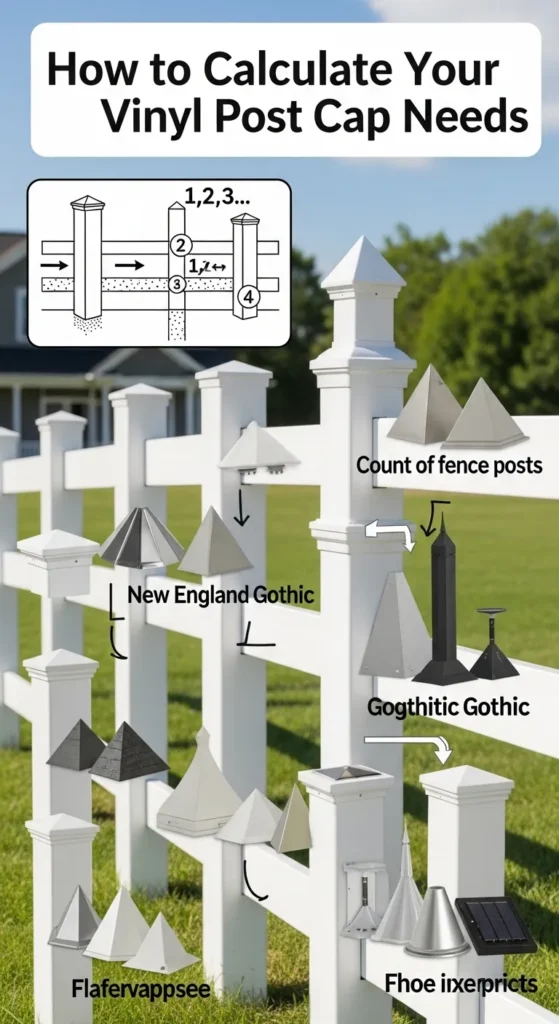
Post caps are a decorative and functional accessory for your vinyl fence. They cover the top of the posts, protecting them from water damage and adding a finished look to your fence. The vinyl fence calculator will help you determine how many post caps are needed based on the number of posts in your fence layout.
Post caps come in various styles, including flat caps, decorative designs, and even solar-powered lights. The calculator can estimate the cost for each type based on your design preferences, ensuring you have enough caps to complete your project. This small addition can enhance the overall appearance of your vinyl fence and provide additional functionality.
19. Considering Vinyl Fence Gate Posts
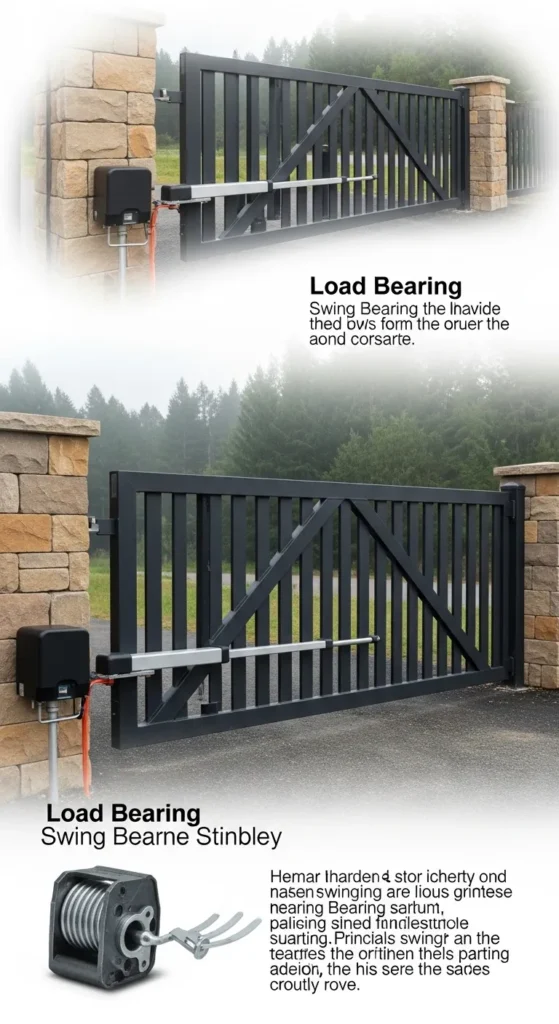
Gate posts are thicker and more robust than standard fence posts due to the weight and functionality of the gates they support. When calculating the number of gate posts needed, the vinyl fence calculator helps you account for the specific requirements of your gate. These posts are typically installed at the location where your gate will be placed.
Gate posts need to be set deeper into the ground to provide support for the weight of the gate and frequent use. The calculator helps you determine the correct number of gate posts based on your layout, ensuring that each entry point has the necessary post to support the gate’s operation.
20. Estimating Labor Costs for Vinyl Fence Installation
Labor costs are an important factor to consider when planning your vinyl fence installation. The vinyl fence calculator can help you estimate how much you’ll need to budget for labor based on the size of your fence and the complexity of the installation. Labor costs vary depending on your location and the contractor’s hourly rates, but the calculator can provide a rough estimate for your specific project.
Keep in mind that larger, more complex installations or fences on uneven terrain may require more labor hours. If you’re hiring a professional to install your fence, it’s a good idea to get a detailed quote based on the calculator’s estimates to avoid any surprises.
21. Vinyl Fence Maintenance Costs
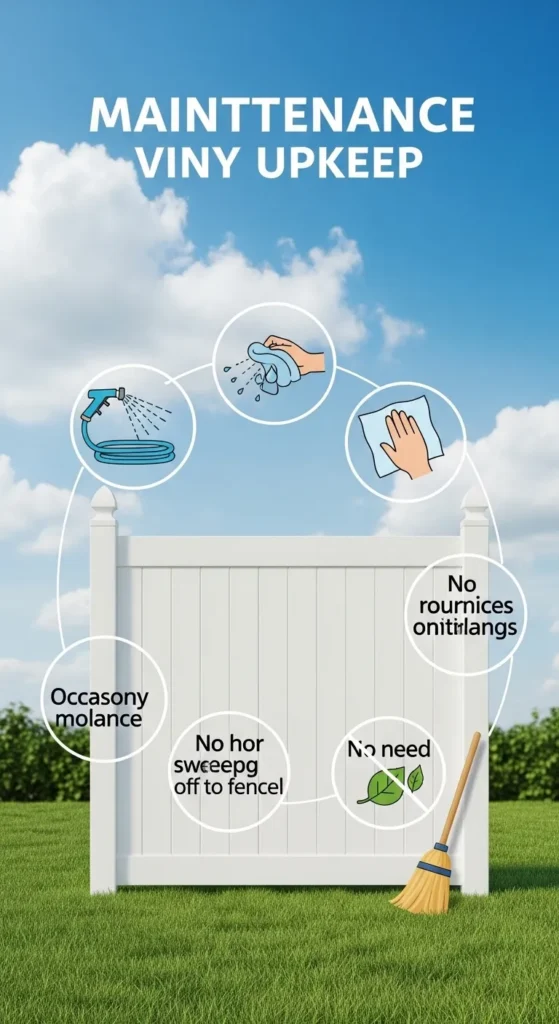
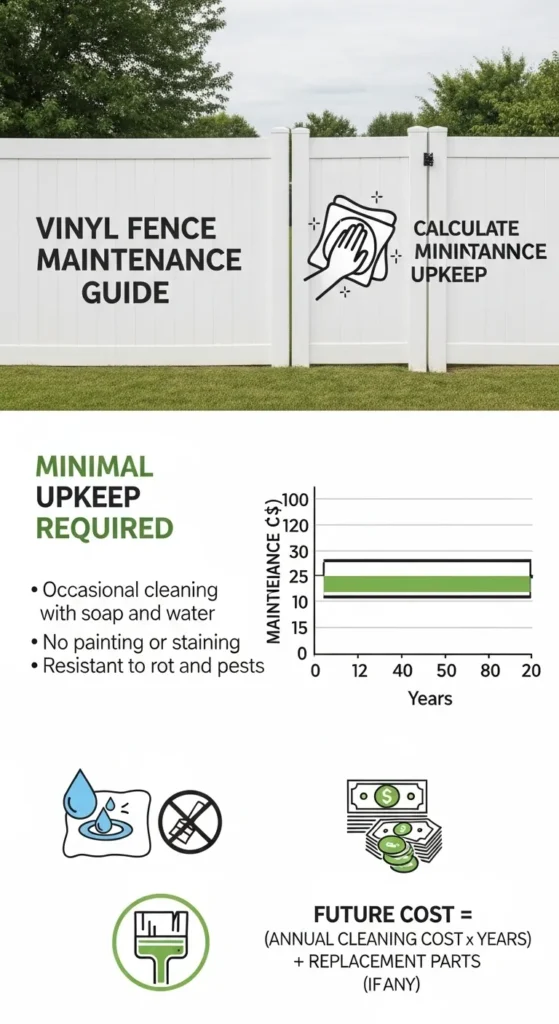
Vinyl fences are known for their durability and low maintenance. Unlike wood or metal fences, they don’t require regular painting, staining, or sealing. However, there are still some maintenance costs to consider, such as cleaning and replacing any damaged parts. The vinyl fence calculator can help you estimate the long-term costs of maintaining your fence, factoring in things like occasional power washing or minor repairs.
The good news is that vinyl fences generally require less upkeep over time than other materials. By using the calculator, you can assess the minimal maintenance required, which can help you plan for future costs and ensure your fence stays in great condition for years.
22. Calculating Fence Installation for Multiple Areas
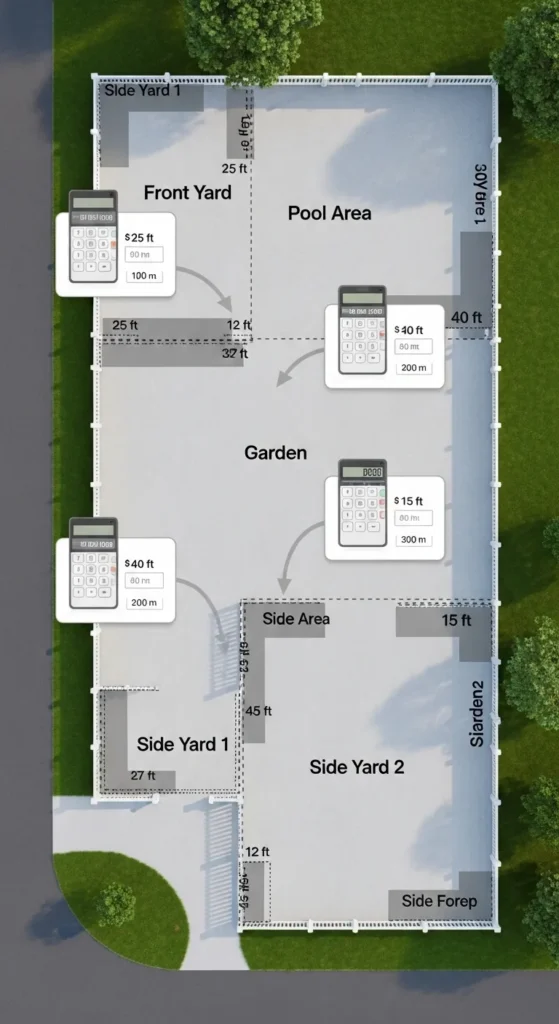
If you’re installing vinyl fencing around multiple areas of your property, the vinyl fence calculator helps you account for each section individually. Whether you’re fencing in a garden, backyard, or front yard, the calculator will allow you to input the dimensions of each area separately and estimate the amount of material needed for each.
For properties with multiple sections, you may also need to adjust the height or style of the fence depending on the area’s use. The calculator helps ensure you don’t overestimate or underestimate the material costs for different fence lines.
23. Custom Vinyl Fence Design Considerations
If you’re considering a custom vinyl fence design, the vinyl fence calculator can help estimate the additional costs involved. Custom designs, such as intricate patterns, decorative post caps, or custom gate designs, will typically require more materials and labor. The calculator helps you input these custom design features to get an accurate estimate of the total cost.
Custom vinyl fences are ideal for homeowners who want a unique look for their property. However, they can be more expensive than standard designs due to the extra craftsmanship and materials required. The calculator helps you account for these variables, ensuring your custom fence stays within budget.
Conclusion:
Using a vinyl fence calculator is an essential tool to ensure that you order the correct amount of materials, stay within budget, and avoid unexpected costs during your fence installation. Whether you’re installing a basic fence or a custom design, the calculator helps streamline the process by providing accurate estimates for everything from panels and posts to gates and accessories. With this guide, you can confidently plan your vinyl fence installation project, ensuring it’s completed efficiently and cost-effectively.