

BLOG
24 Enchanting DIY Fairy Garden Ideas to Transform

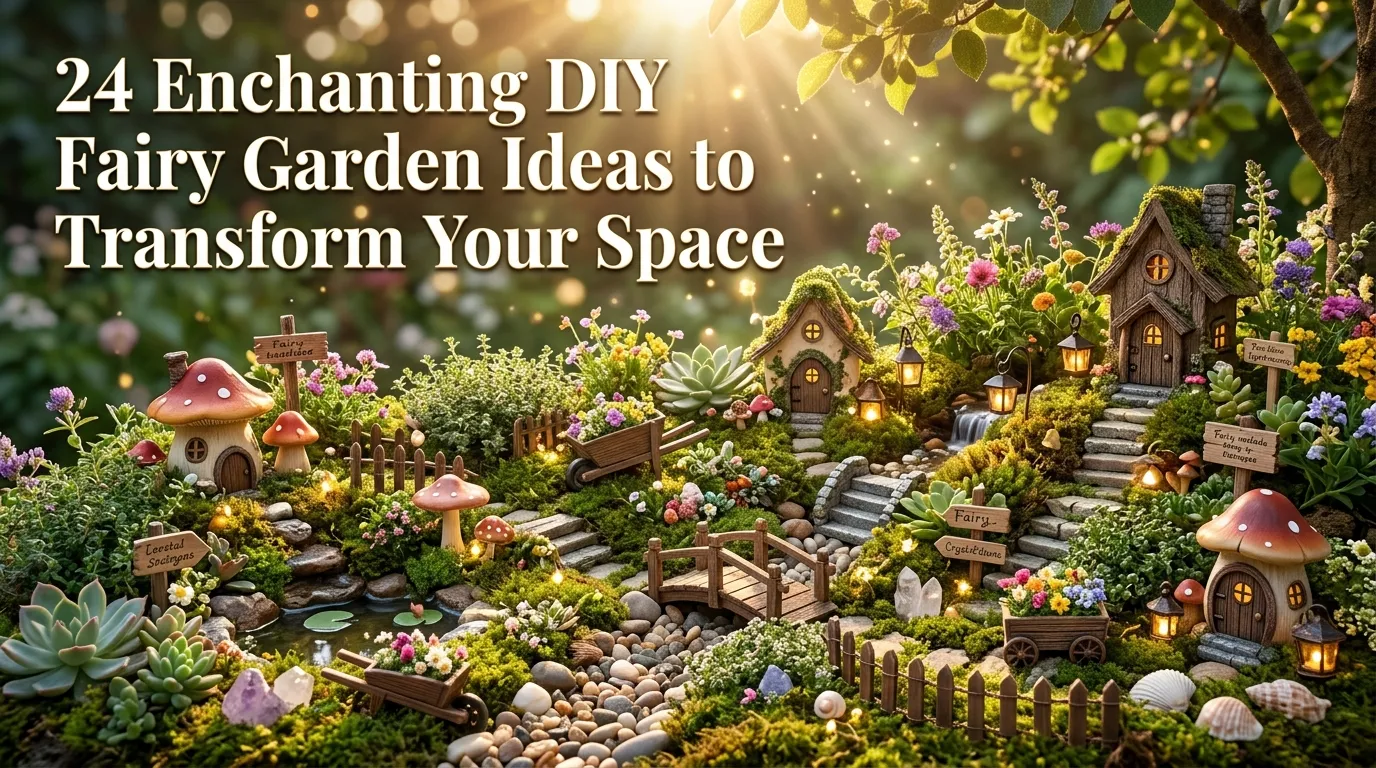
DIY fairy gardens bring magic and creativity to any outdoor or indoor space. These miniature landscapes combine plants, whimsical décor, and tiny structures to create charming, enchanting scenes that spark imagination. Whether placed on a patio, in a flowerbed, or inside a terrarium, DIY fairy gardens are a perfect blend of gardening and artistry. These 24 enchanting ideas showcase unique ways to design your own magical retreat, combining natural elements, tiny furniture, fairy figurines, and imaginative layouts. Create a delightful escape that delights both children and adults alike.
1. Miniature Mushroom Houses
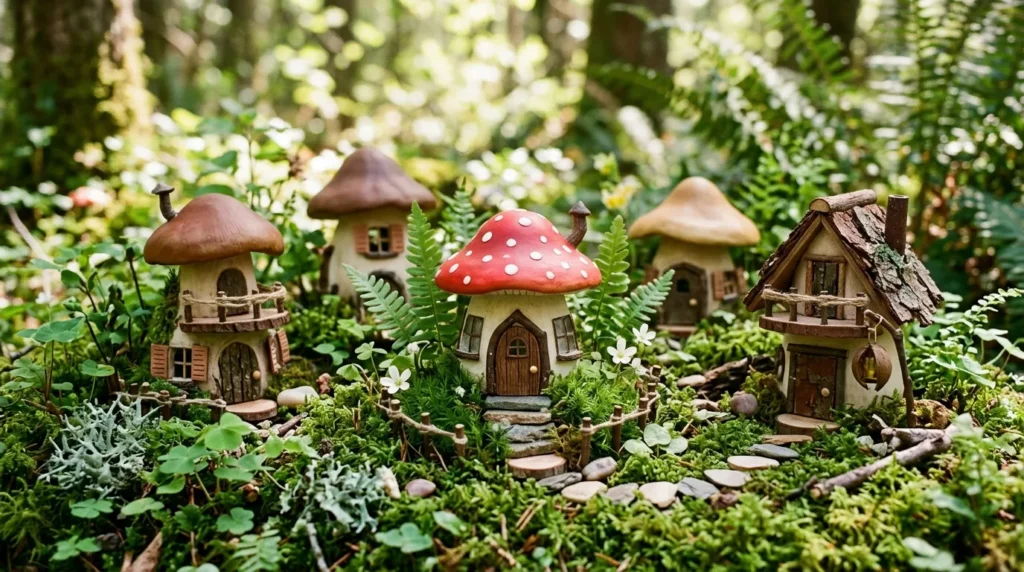
Mushroom houses add a whimsical, storybook element to fairy gardens.
They create focal points and can be crafted from clay, wood, or resin. Placing them among moss, pebbles, and miniature pathways enhances the magical aesthetic. Small gardens with mushroom houses invite exploration and inspire creativity in arranging additional tiny elements.
2. Moss-Covered Pathways
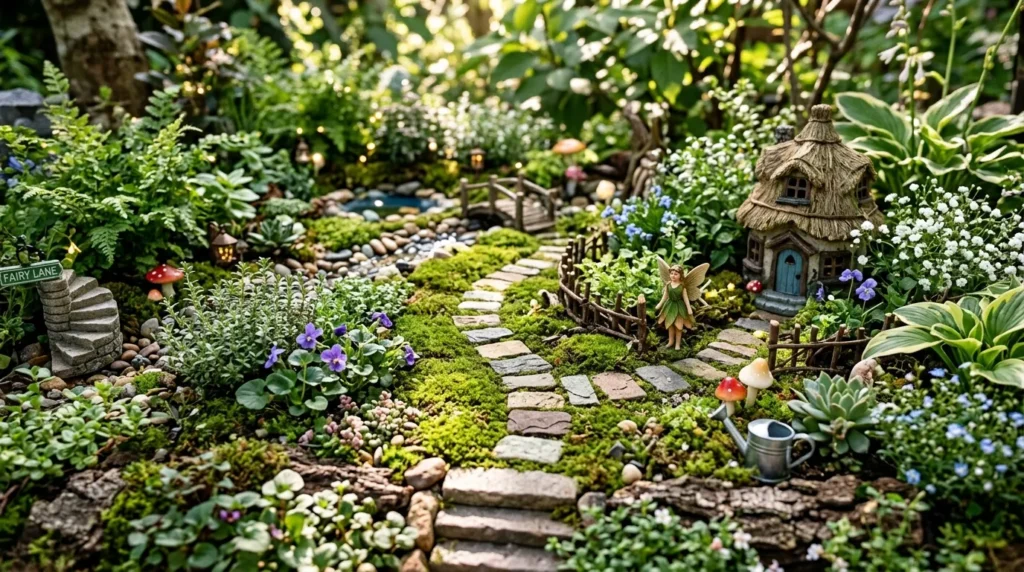
Moss pathways add charm while defining garden layout.
They guide the eye and create a sense of exploration. Combining moss with pebbles or miniature fences enhances realism. Soft textures make the fairy garden inviting while providing a natural foundation for decorative elements.
3. Tiny Fairy Benches
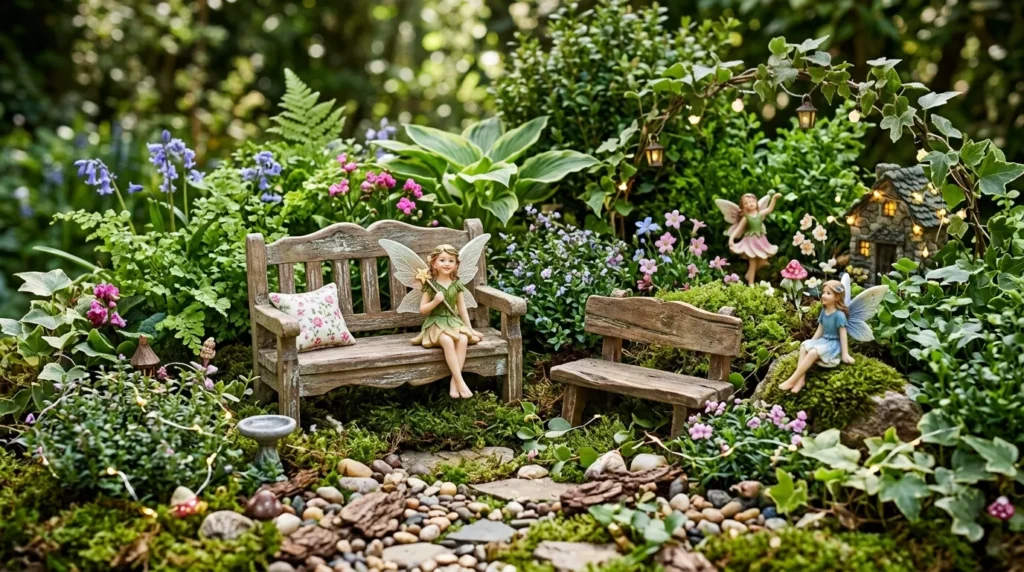
Fairy benches offer resting spots for miniature figurines.
They add functionality and charm to the garden layout. Benches can be DIY-crafted from twigs, clay, or wood. Positioned near flowers or pathways, they enhance interaction between garden elements and create a realistic miniature world.
4. Miniature Bridges
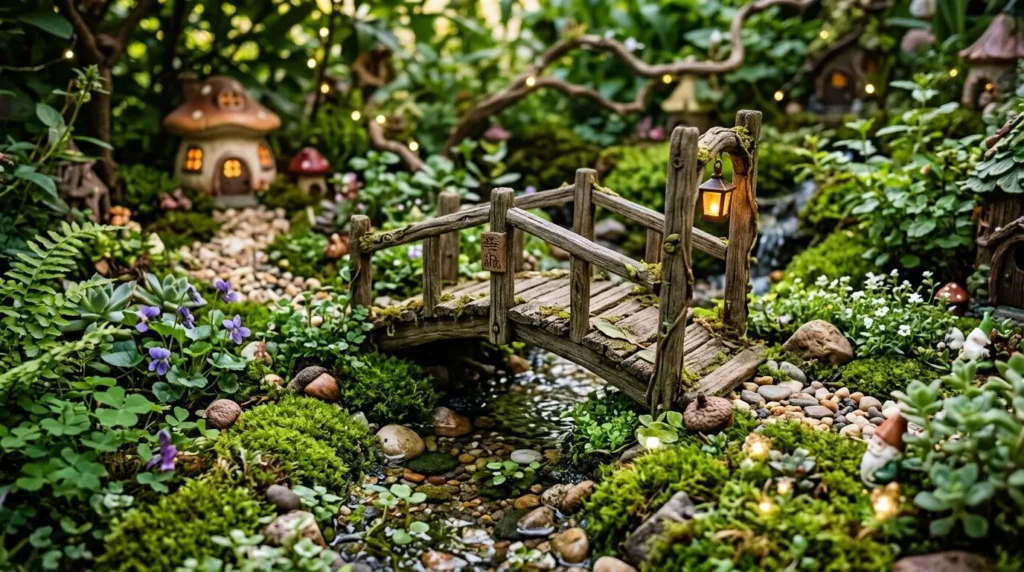
Bridges introduce movement and dimension.
They connect different sections of the garden and create visual interest. Small bridges can be made from twigs, popsicle sticks, or clay. Adding these details encourages imaginative play and storytelling within the miniature landscape.
5. Fairy Lights
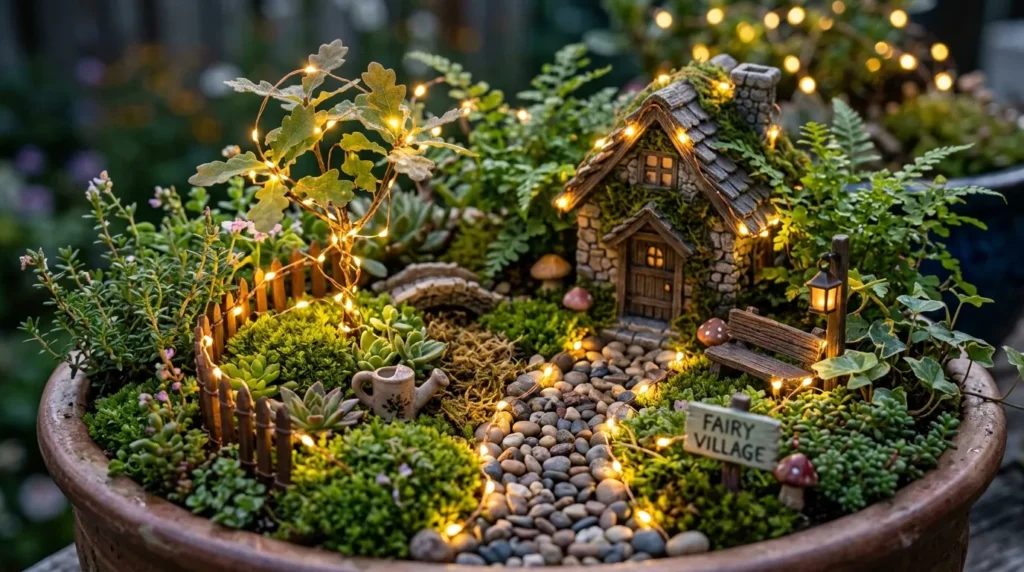
Fairy lights illuminate miniature gardens with enchanting glow.
They enhance evening appeal and create a magical ambiance. LED string lights are safe, energy-efficient, and add sparkle. Combining lights with moss, plants, and fairy houses highlights garden features and adds whimsical charm.
6. Tiny Water Features
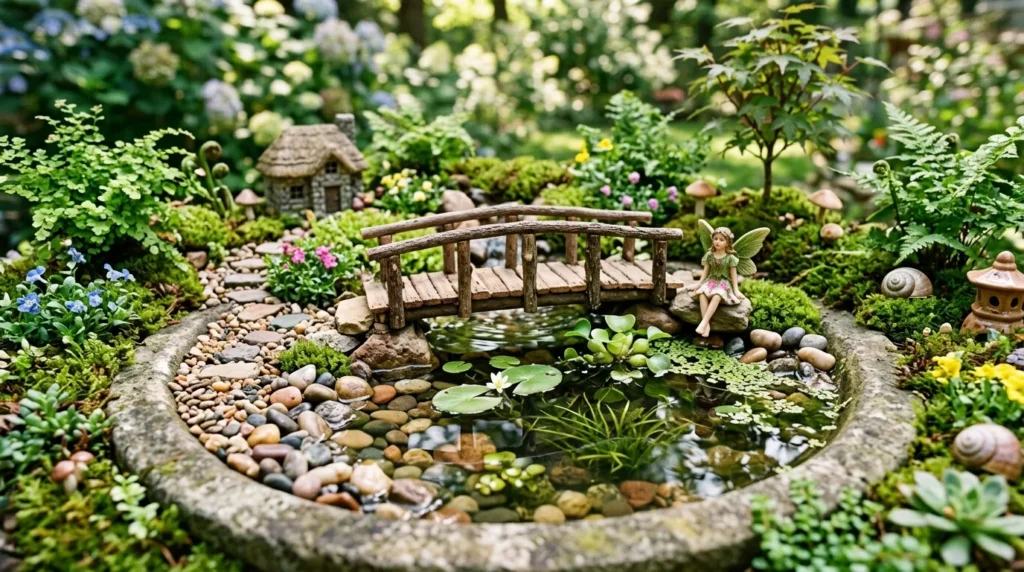
Water features add realism and movement to fairy gardens.
Mini ponds, fountains, or birdbaths can be crafted from small containers or resin. Flowing water enhances sensory appeal and attracts attention to focal points. Adding rocks and aquatic plants improves the natural aesthetic while maintaining scale.
7. Decorative Pebble Paths
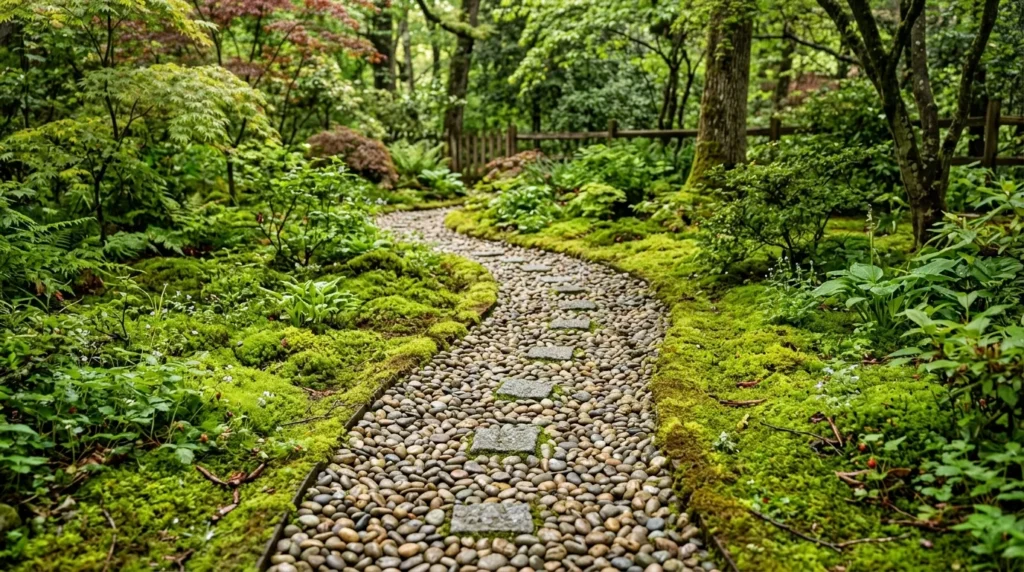
Pebble paths define walkways and guide viewers’ eyes.
They enhance structure and add texture. Small stones, colored pebbles, or sand create visual interest and contrast with greenery. Pebble paths complement moss, fairy houses, and benches, reinforcing the garden’s miniature scale.
8. Miniature Flower Beds
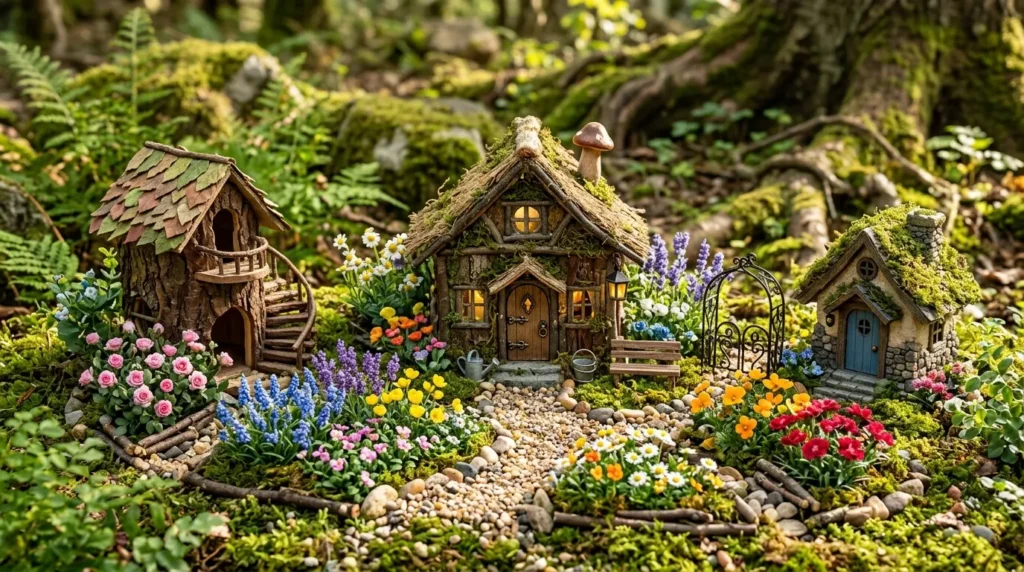
Miniature flower beds add life, color, and realism.
Selecting small or dwarf plants ensures scale is maintained. Combining flowers with moss, rocks, and garden figurines creates a balanced scene. These beds serve as both decorative and thematic elements, enhancing overall garden charm.
9. Tiny Fences
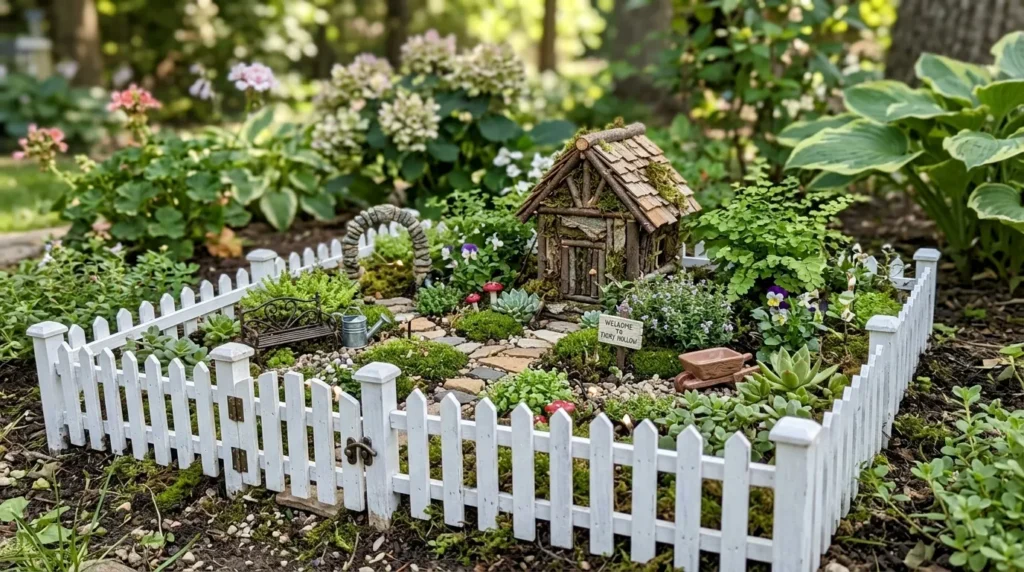
Mini fences define spaces and enhance garden storytelling.
They can be made from twigs, popsicle sticks, or wood. Fences help organize pathways, highlight flower beds, and create a sense of enclosure, adding to the whimsical, magical atmosphere of the garden.
10. Fairy Figurines
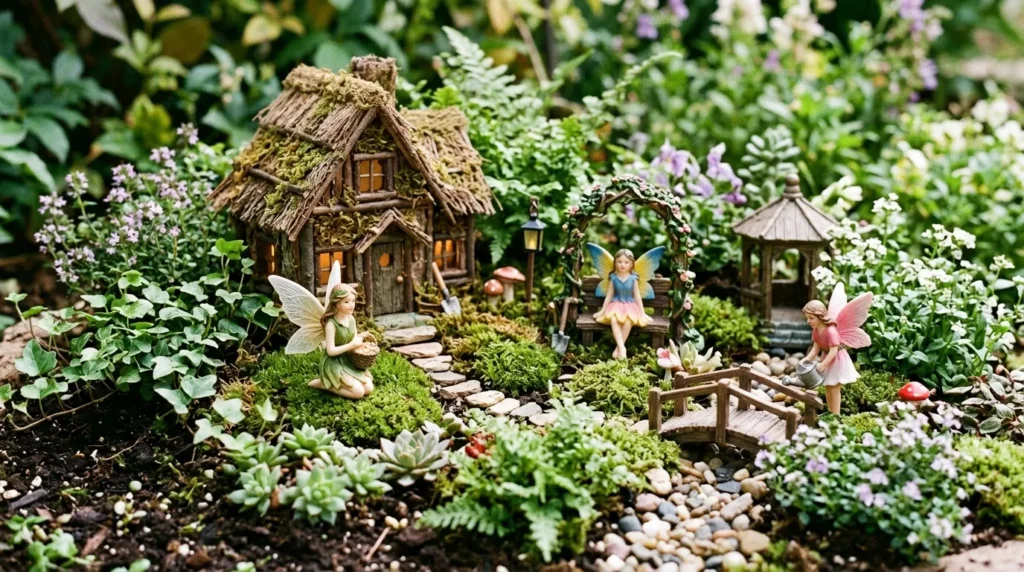
Figurines bring the garden to life.
They interact with furniture, bridges, and plants, adding a playful element. Choosing diverse poses and colors enhances storytelling, making the miniature landscape feel dynamic and enchanting.
11. Tiny Lanterns
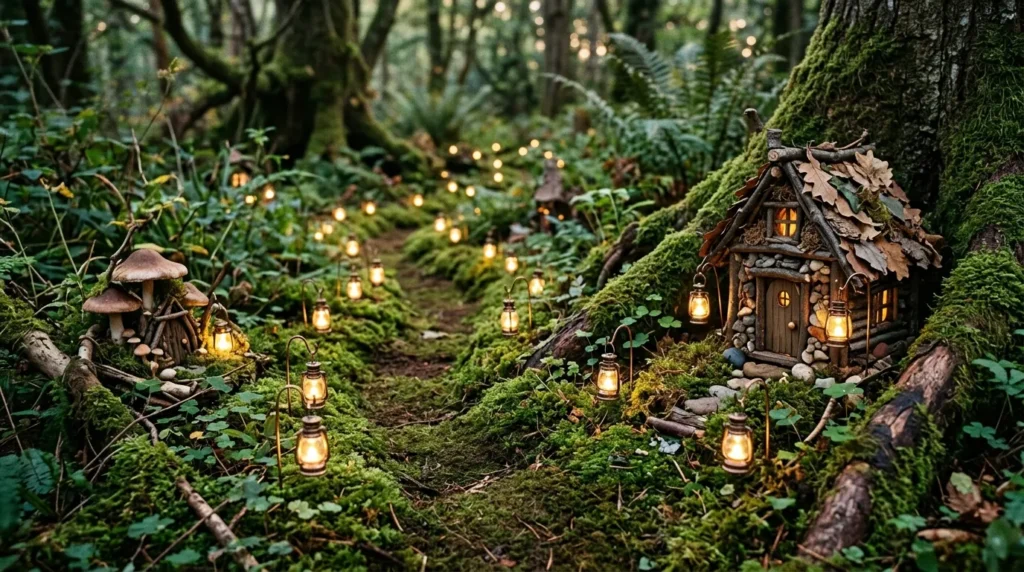
Lanterns create a cozy, magical atmosphere.
They provide scale and visual interest, especially combined with miniature furniture or paths. LED or battery-operated lanterns are safe and add realistic lighting effects, enhancing the garden’s charm.
12. Natural Rock Formations
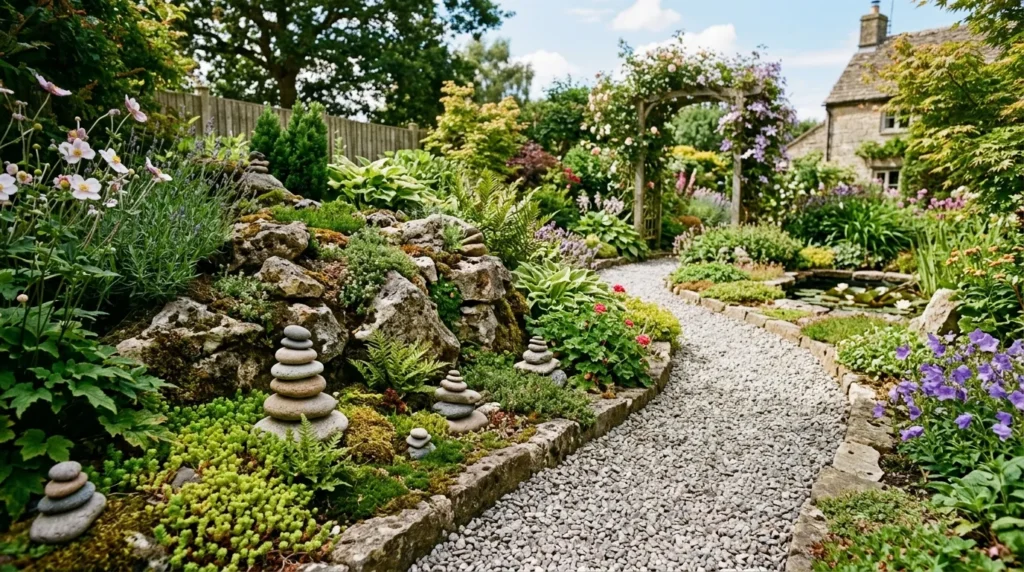
Rocks create texture and natural variation.
They serve as focal points, seating for figurines, or boundaries for flower beds. Using smooth stones, pebbles, or moss-covered rocks enhances the organic feel and blends seamlessly with greenery.
13. Miniature Bridges Over Pebble Streams
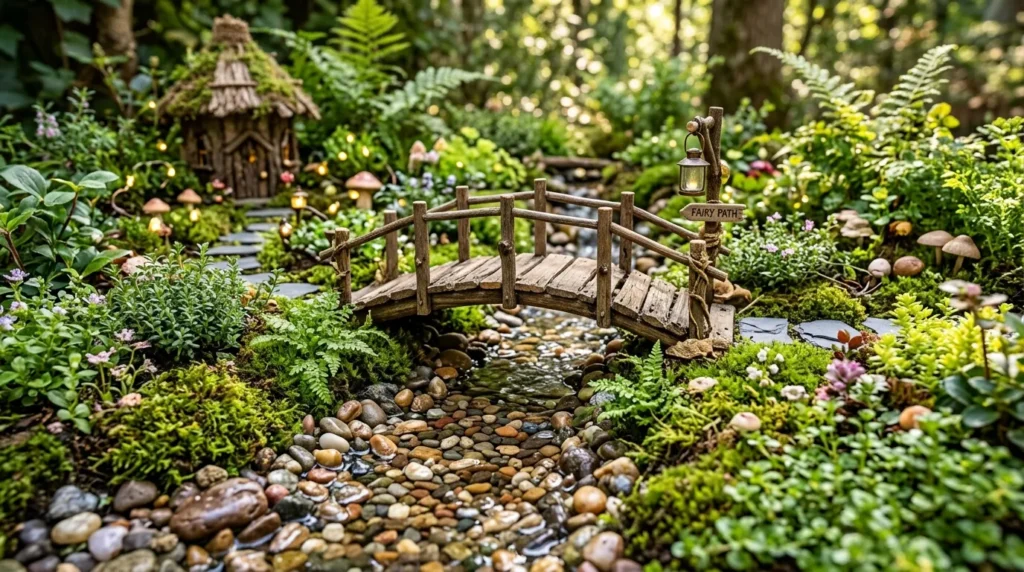
Bridges enhance connectivity and storytelling.
They create layers and movement within the garden layout. Pebble streams mimic real water flow and complement miniature structures, improving realism while maintaining magical appeal.
14. DIY Fairy Doors
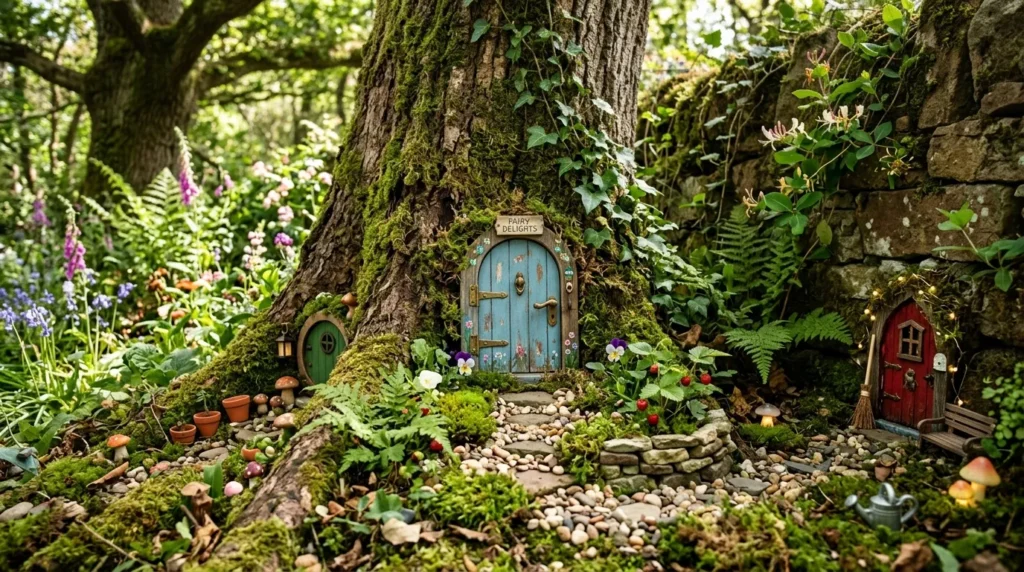
Fairy doors spark imagination and storytelling.
They invite viewers to imagine tiny inhabitants. Crafted from clay, wood, or polymer, they enhance whimsical charm and add interactive elements for children and adults.
15. Mini Tree Stumps
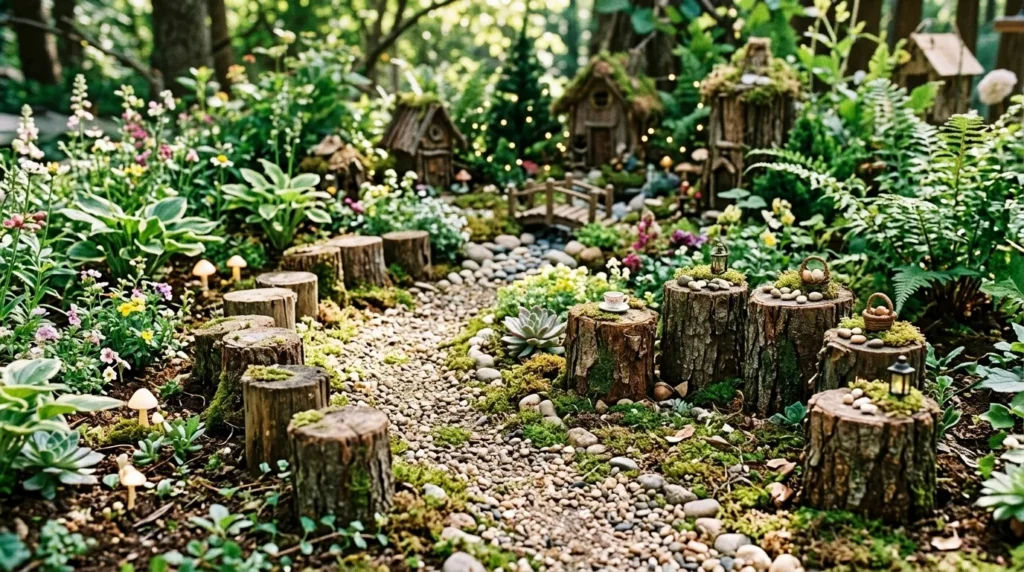
Tree stumps add texture and function.
They serve as tables, stools, or visual accents. Natural or crafted stumps maintain garden scale and integrate with greenery, moss, and figurines for a realistic miniature landscape.
16. Tiny Flower Pots
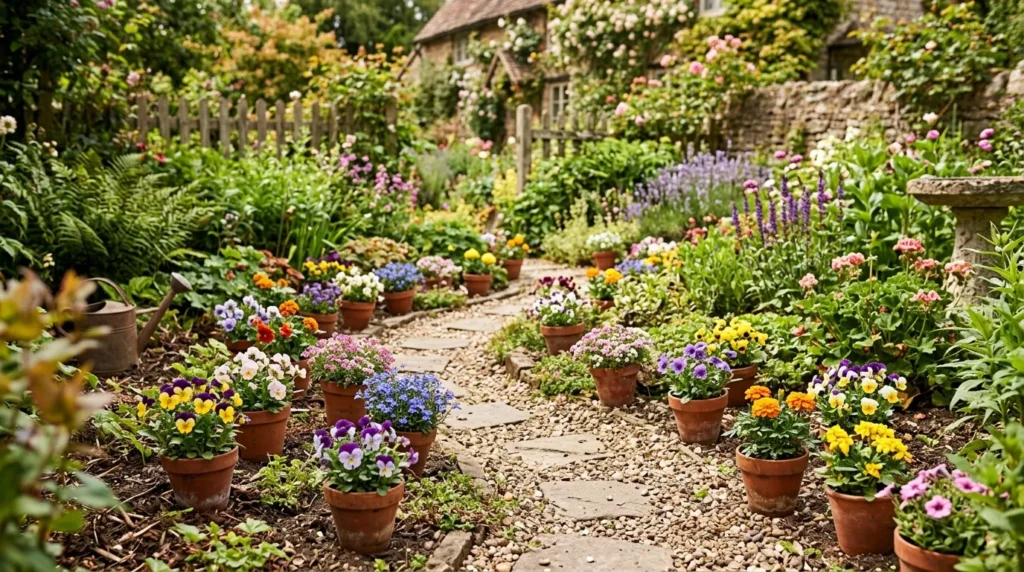
Mini pots allow creative plant arrangement.
They enhance color diversity and maintain scale. Using tiny flowers adds charm, dimension, and seasonal variety to the fairy garden, creating vibrant focal points.
17. Mini Birdhouses
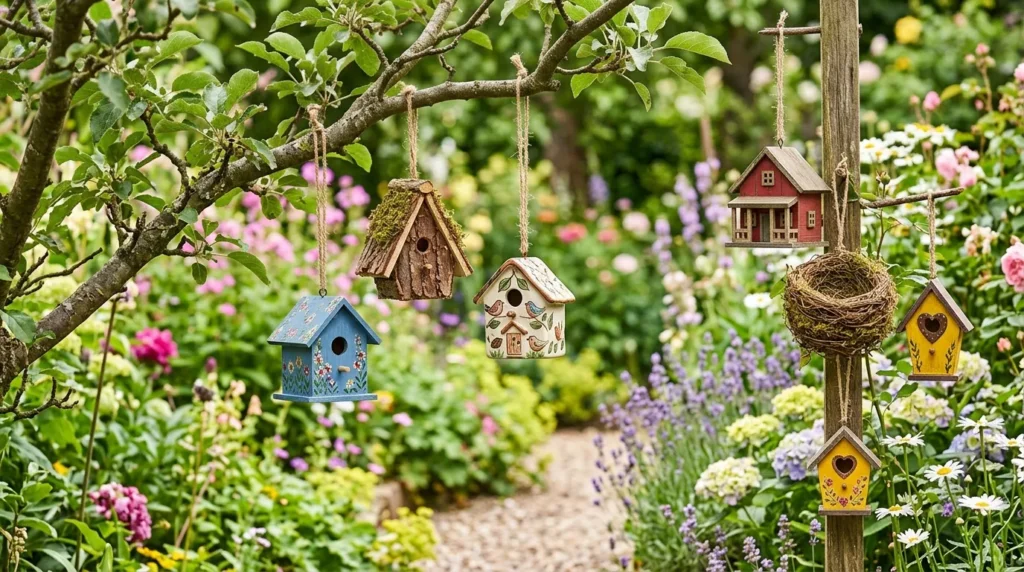
Birdhouses introduce whimsy and height variation.
They draw the eye upward and add vertical interest. Mini birdhouses enhance storytelling and create playful, magical elements within the garden.
18. Moss-Covered Rocks
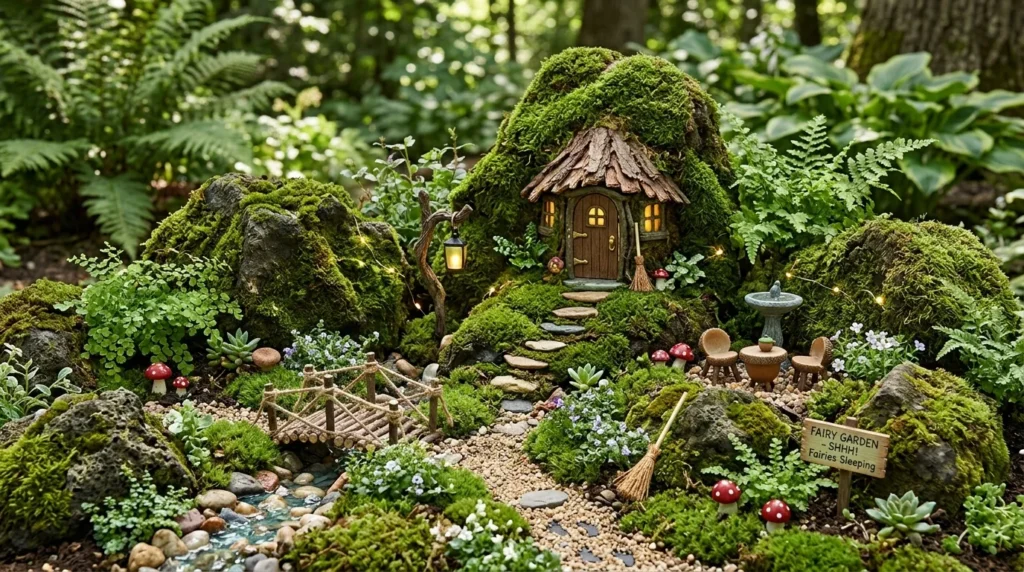
Moss softens hard surfaces and enhances natural appeal.
It adds greenery, texture, and realism. Moss-covered rocks complement plants, pathways, and figurines, blending decorative and organic elements seamlessly.
19. Miniature Bridges and Stepping Stones
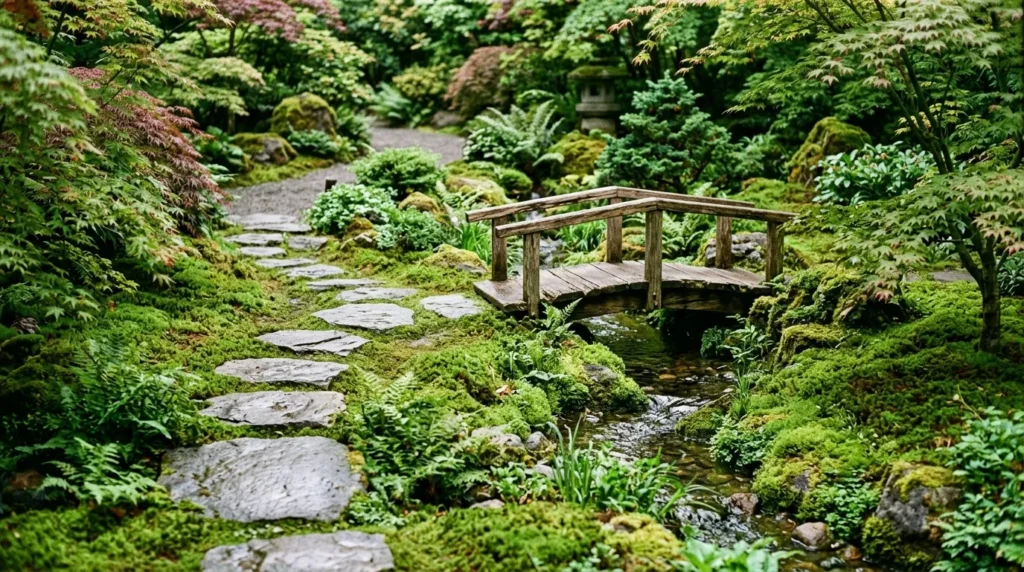
Bridges and stones guide viewers and add dimension.
They provide focal points and pathways for storytelling. Arranging them thoughtfully enhances the magical journey within the garden, creating depth and interest.
20. DIY Fairy Garden Signs
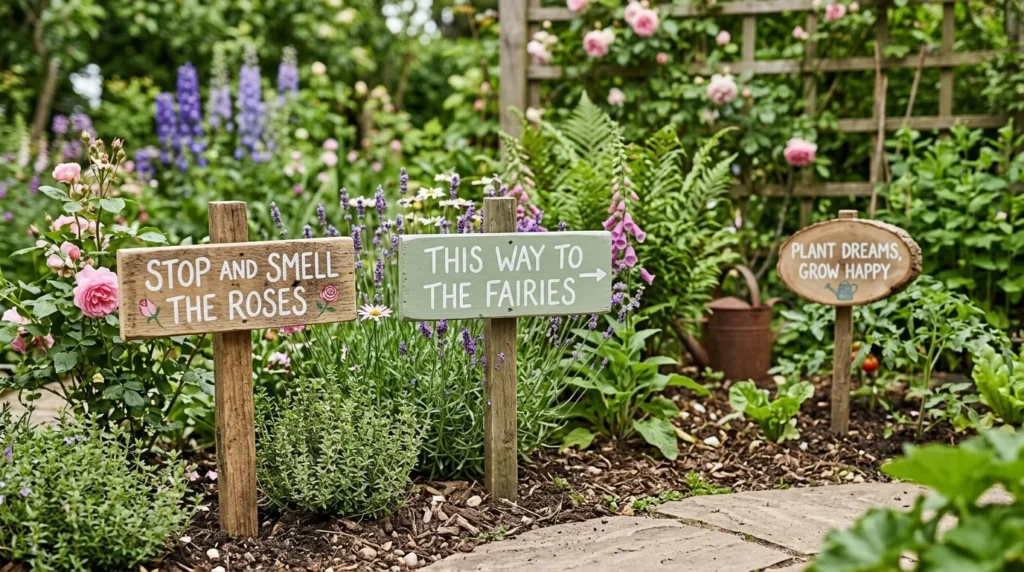
Signs personalize the space and guide storytelling.
Crafted from wood, clay, or painted sticks, they enhance charm. These details create a cohesive theme and make the garden interactive and engaging for viewers.
21. Miniature Waterfall Features
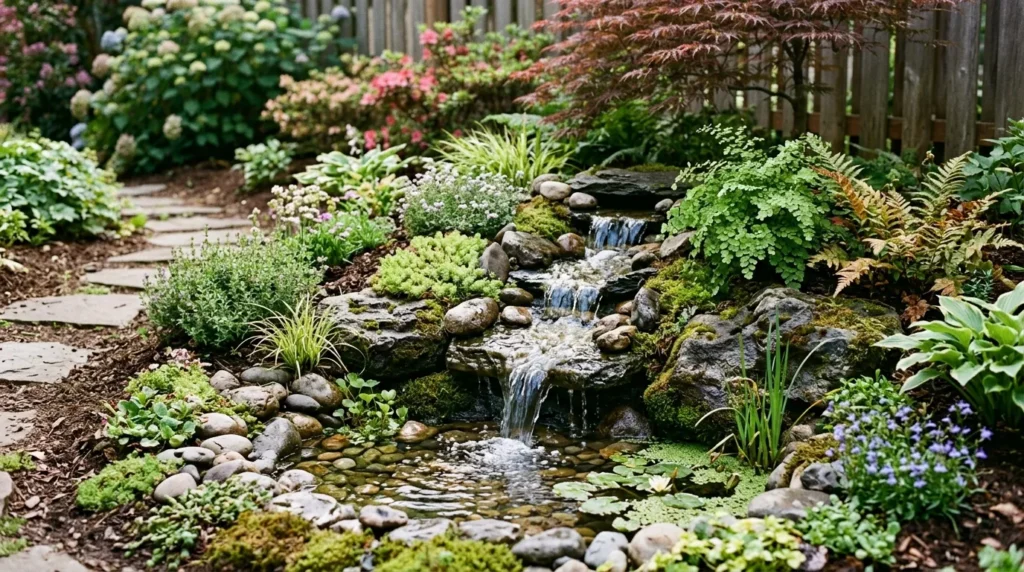
Waterfalls introduce movement and sound into the garden.
They enhance sensory appeal and realism. Even small DIY features make the fairy garden feel immersive, magical, and lively.
22. Enclosed Terrarium Fairy Garden
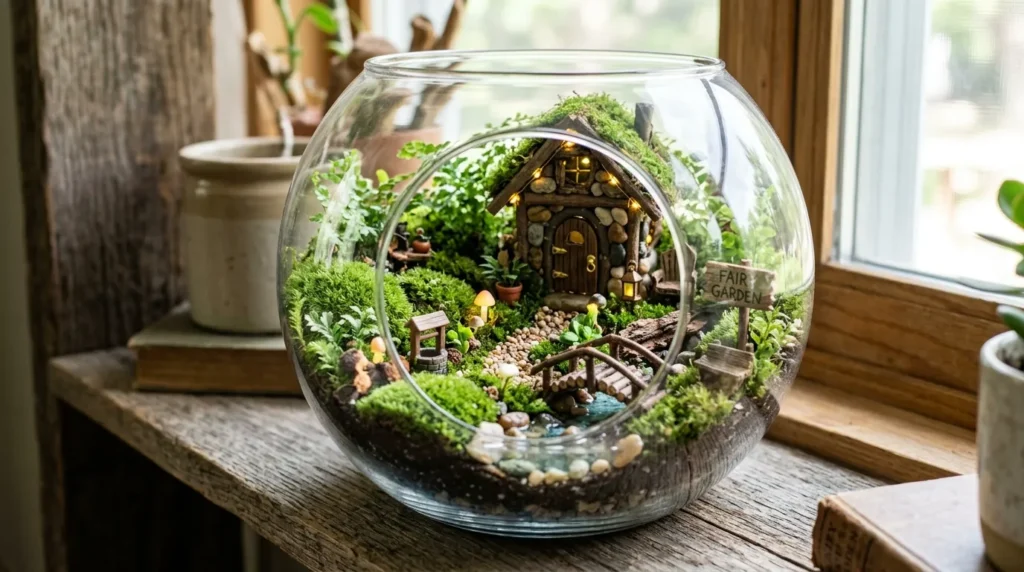
Terrariums protect plants and maintain humidity.
They provide a contained space for delicate setups while creating a display-worthy miniature garden. Enclosed designs combine practicality with enchantment, allowing year-round enjoyment.
23. Seasonal Fairy Decorations
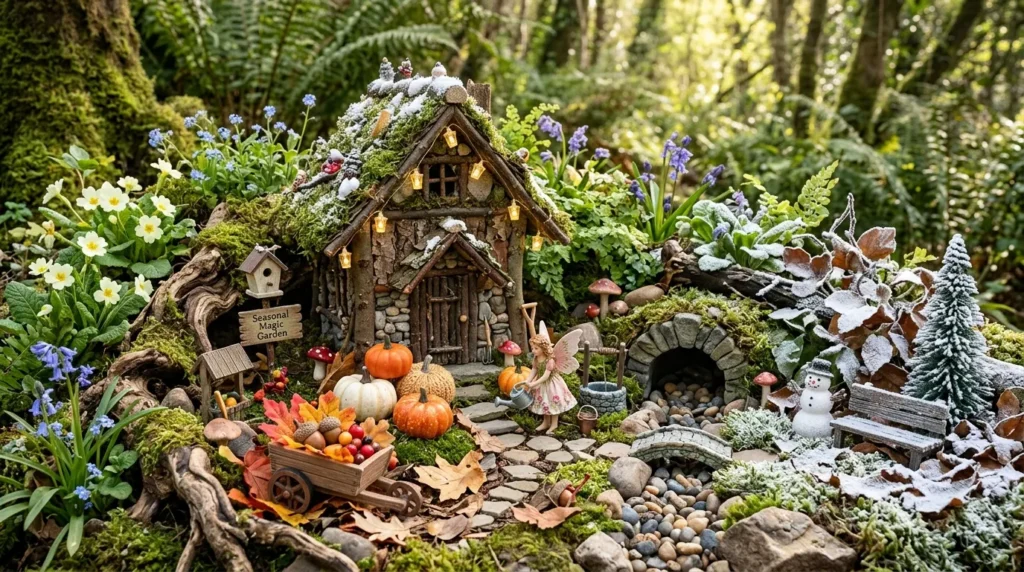
Seasonal touches keep gardens fresh and thematic.
Rotating decorations based on holidays or seasons enhances engagement and visual appeal. This approach maintains interest and inspires creativity year-round.
24. DIY Fairy Garden Terrains
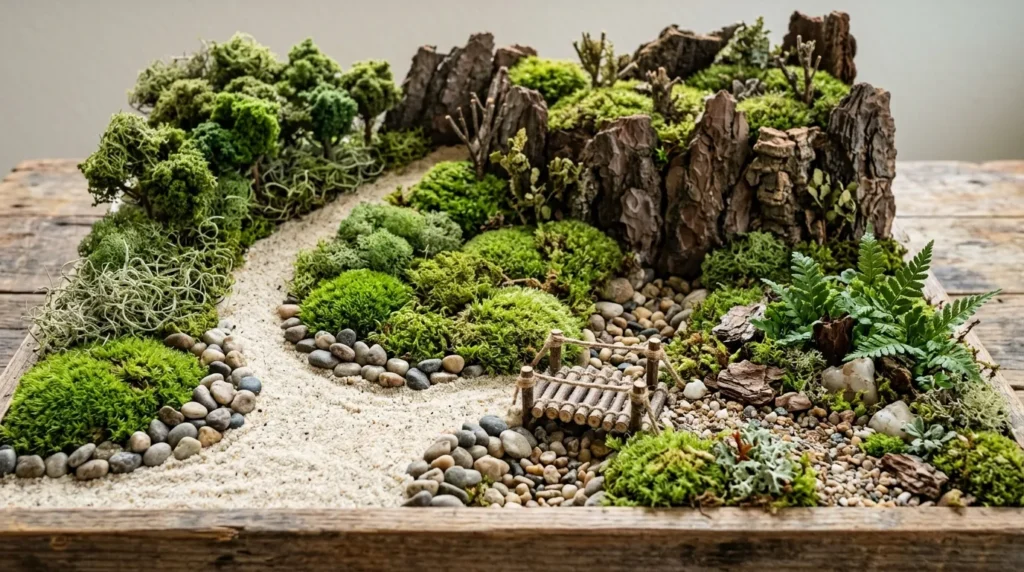
Layered textures create realism and depth.
Mixing materials adds dimension and tactile appeal. Thoughtful terrain design enhances storytelling and completes the magical miniature environment, making it more immersive and enchanting.
Conclusion
DIY fairy gardens offer endless opportunities for creativity, imagination, and enchantment. From miniature houses and bridges to mossy pathways, fairy figurines, and tiny plants, these 24 ideas show how to create magical, personalized landscapes. Incorporating natural elements, recycled materials, and whimsical details ensures that every garden is unique, sustainable, and visually captivating. Whether for children, adults, or shared family projects, DIY fairy gardens transform ordinary spaces into imaginative retreats filled with charm, creativity, and wonder.