

BLOG
How to Decorate a Living Room Like a Designer

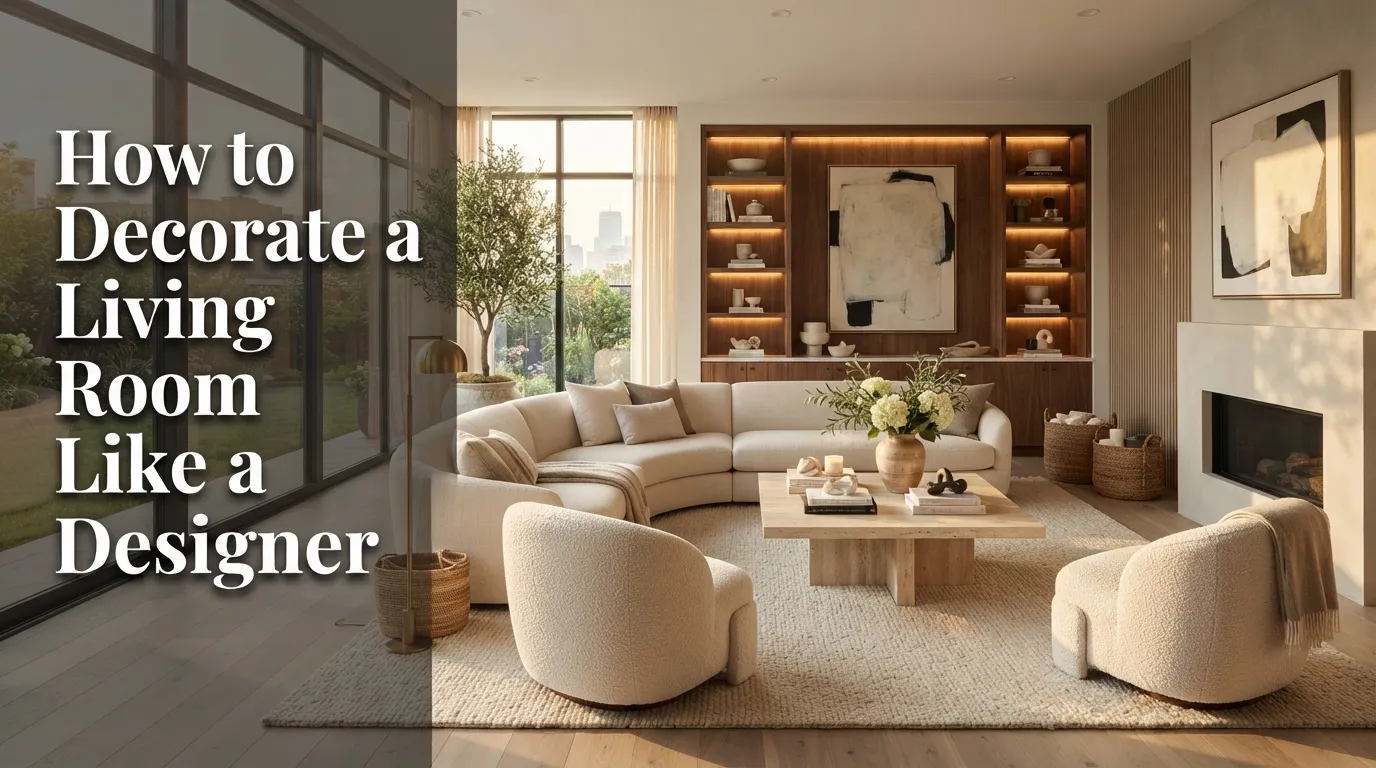
A beautifully designed living room doesn’t happen by accident. The spaces that instantly catch your attention on Pinterest or in interior design magazines usually follow a few simple decorating principles that create balance, comfort, and visual harmony. The good news is that you don’t need an unlimited budget or professional design experience to achieve the same polished look in your own home.
I’ve noticed that many homeowners focus on buying expensive furniture before considering layout, color, lighting, and accessories. In reality, designers often create luxurious spaces by thoughtfully layering textures, mixing materials, and arranging furniture to improve both beauty and functionality.
One mistake many people make is decorating one item at a time without considering how every piece works together. A designer-inspired living room feels cohesive because every color, texture, and accessory supports the overall style rather than competing for attention.
In this guide, you’ll learn ten designer-approved decorating ideas that can transform any living room into a space that feels elegant, welcoming, and timeless. Whether your style is modern, farmhouse, Scandinavian, coastal, or transitional, these ideas will help you create a room that looks professionally designed while remaining comfortable enough for everyday living.
If you’re ready to elevate your home, these tips will show you How to Decorate a Living Room Like a Designer with confidence.
Table of Contents
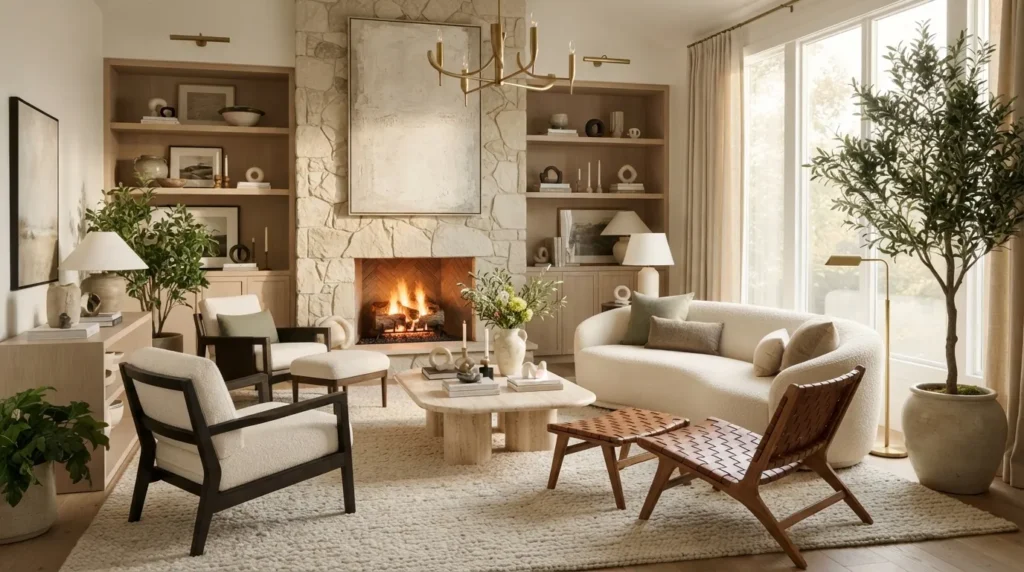
Personal Finishing Touches
Add meaningful décor that makes the space uniquely yours.
Balanced Furniture Layout
Arrange furniture for comfort and natural flow.
Layered Lighting
Create warmth with multiple light sources.
Cohesive Color Palette
Build a timeless foundation with coordinated colors.
Mixed Textures
Add depth using layered materials and fabrics.
Statement Area Rug
Anchor the room with the perfect foundation.
Oversized Wall Art
Create a bold focal point that elevates the space.
Decorative Coffee Table Styling
Style your centerpiece like a professional designer.
Natural Greenery
Bring life and freshness into your living room.
Custom Window Treatments
Frame your windows for a polished designer finish.
1. Balanced Furniture Layout
Quick Benefits
- Improves traffic flow
- Makes rooms feel larger
- Creates conversation areas
- Maximizes functionality
- Designer-inspired appearance
Why It Works
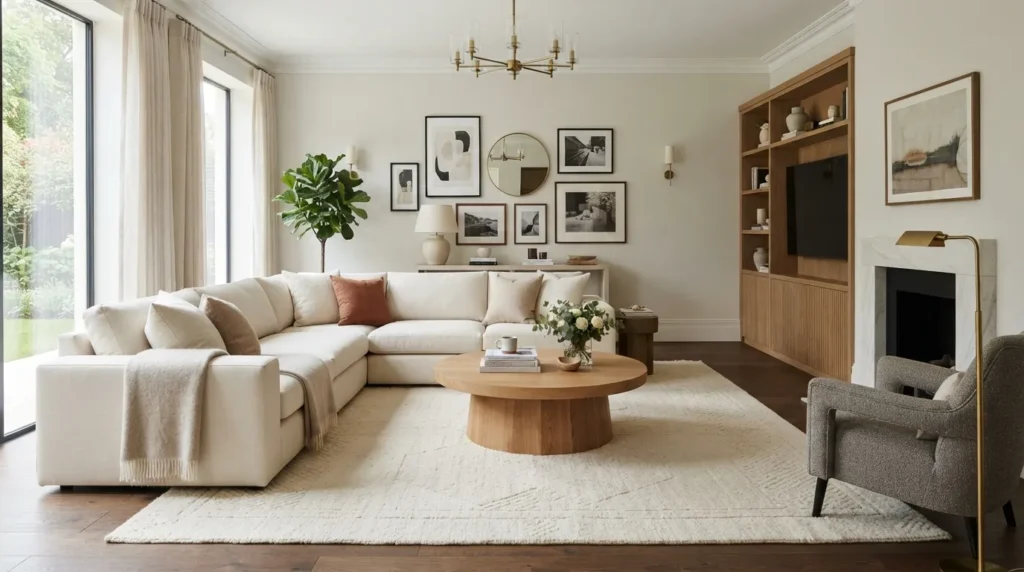
Professional designers begin with furniture placement because it determines how the room functions. A balanced layout creates natural walking paths while encouraging conversation and relaxation. Instead of pushing every piece against the walls, thoughtful spacing allows the room to feel open, comfortable, and visually connected.
I’ve found that floating furniture slightly away from the walls often makes living rooms appear larger than traditional layouts.
How To Style It
Arrange seating around a central focal point like a fireplace, coffee table, or entertainment center. Leave comfortable walking space between furniture pieces and avoid blocking natural pathways.
Use matching side tables or accent chairs to create visual balance throughout the room.
2. Layered Lighting
Quick Benefits
- Creates cozy ambiance
- Improves functionality
- Adds visual warmth
- Highlights décor
- Makes rooms feel luxurious
Why It Works
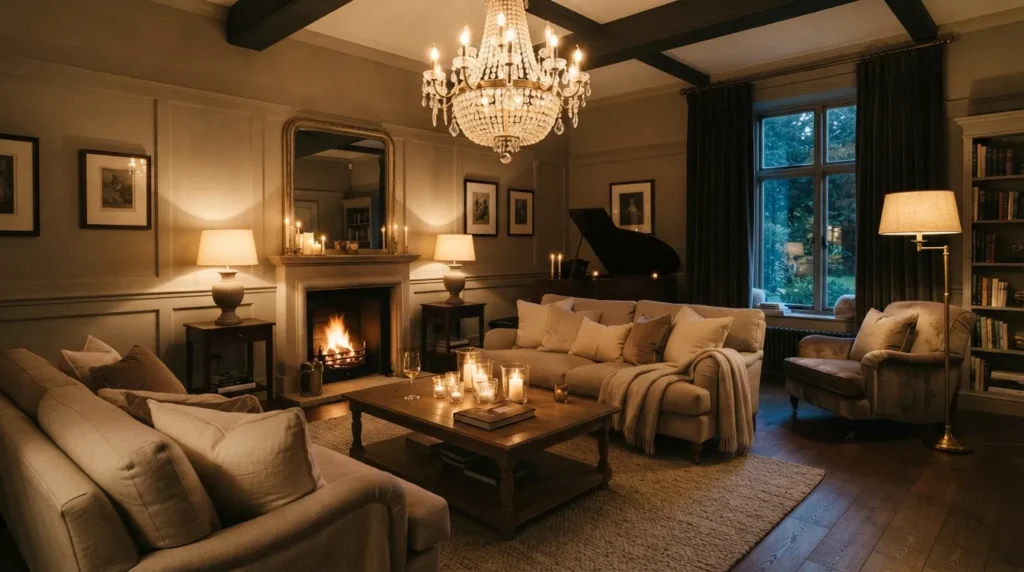
Designer living rooms rarely rely on a single ceiling fixture. Instead, they combine overhead lighting, table lamps, floor lamps, and accent lighting to create depth and atmosphere throughout the day.
I’ve noticed that layered lighting instantly makes even simple living rooms feel more inviting and professionally designed.
How To Style It
Combine a ceiling fixture with table lamps, floor lamps, and candles or LED accent lighting. Choose warm white bulbs to create a soft, welcoming glow.
Position lighting at different heights to add dimension and eliminate dark corners.
3. Cohesive Color Palette
Quick Benefits
- Creates visual harmony
- Timeless appearance
- Easier decorating
- Makes rooms feel polished
- Supports seasonal updates
Why It Works
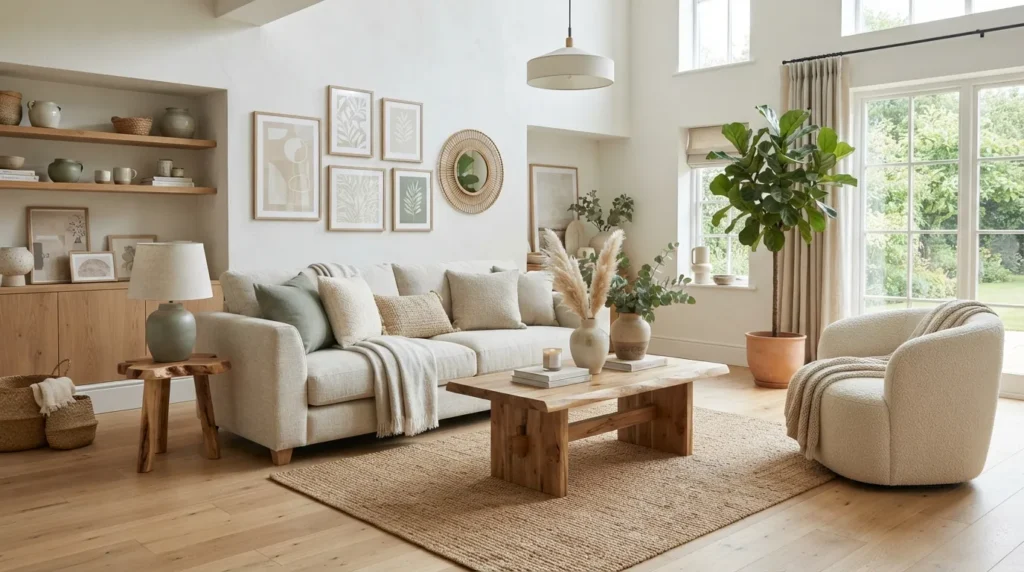
A limited color palette allows every furniture piece and accessory to work together naturally. Rather than introducing too many competing colors, designers often build rooms around neutral foundations with carefully selected accent shades.
One thing that works especially well is repeating accent colors throughout pillows, artwork, rugs, and decorative objects.
How To Style It
Choose two or three primary colors supported by warm neutrals like ivory, beige, gray, or taupe. Introduce accent colors through throw pillows, artwork, blankets, and decorative accessories.
Keep large furniture neutral for long-term flexibility.
4. Mixed Textures
Quick Benefits
- Adds depth
- Makes rooms feel cozy
- Creates luxury appeal
- Prevents flat designs
- Timeless decorating technique
Why It Works
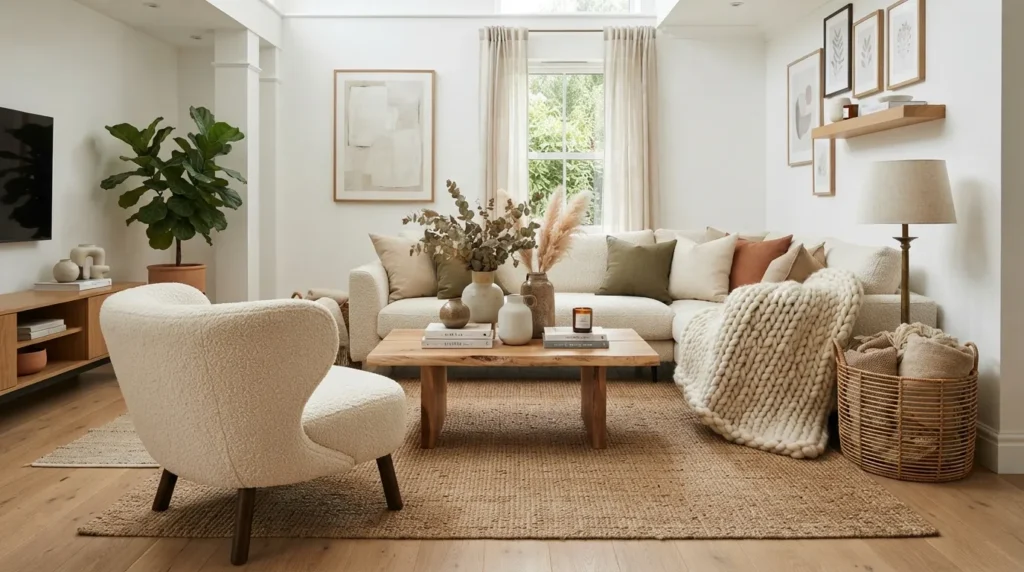
Texture is one of the easiest ways to make a living room feel professionally styled. Combining smooth, soft, woven, and natural materials creates visual interest without relying on excessive color or patterns.
I’ve seen rooms transformed simply by layering linen, boucle, wood, leather, glass, and woven baskets together.
How To Style It
Mix velvet or linen pillows with knitted throws, woven baskets, wooden furniture, ceramic vases, and natural fiber rugs.
Balance rough textures with smooth finishes to maintain a sophisticated appearance.
5. Statement Area Rug
Quick Benefits
- Defines the room
- Anchors furniture
- Adds warmth
- Introduces texture
- Completes the design
Why It Works
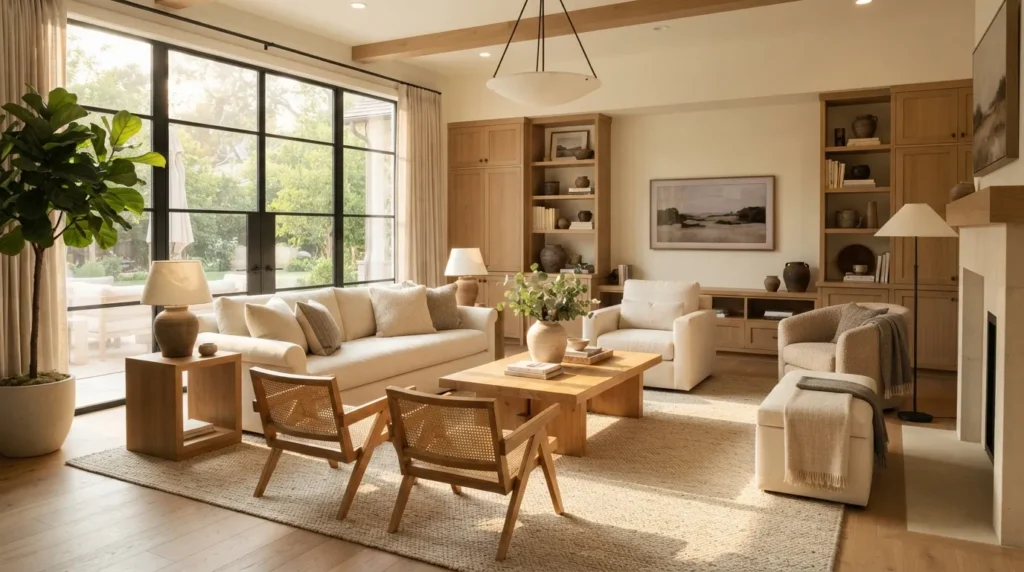
A properly sized area rug brings every furniture piece together while creating a comfortable foundation for the room. Designers often use oversized rugs because they make living spaces appear larger and more cohesive.
I’ve found that rugs also soften hardwood floors while improving comfort and reducing noise throughout the home.
How To Style It
Choose a rug large enough for at least the front legs of all seating to rest on it. Select neutral patterns or subtle textures that complement your overall color palette.
Layer decorative pillows and accessories that coordinate with the rug for a cohesive designer look.
6. Oversized Wall Art
Quick Benefits
- Creates an instant focal point
- Makes rooms feel larger
- Adds personality
- Reduces wall clutter
- Designer-inspired finish
Why It Works
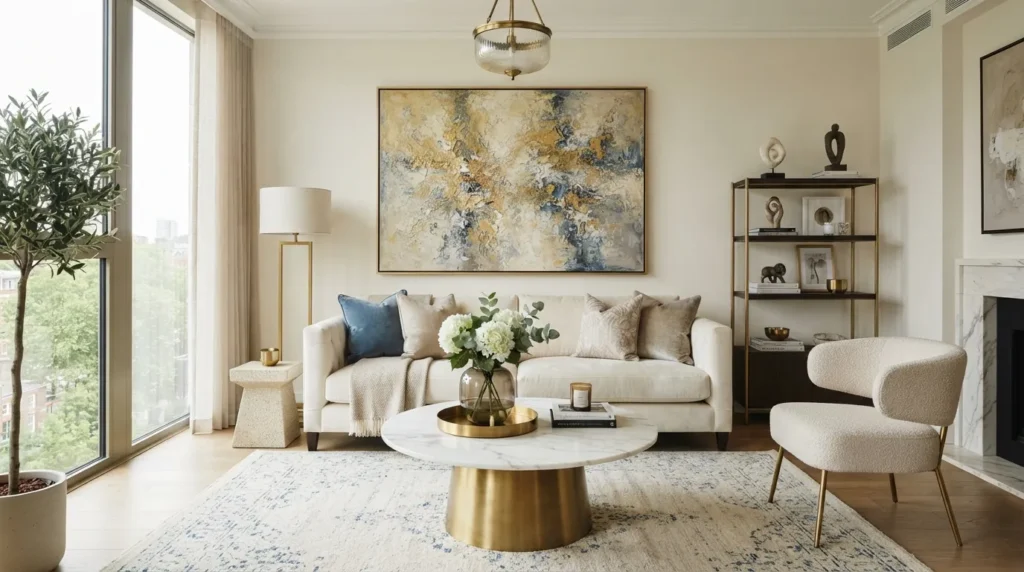
Large-scale artwork immediately draws the eye and gives the living room a polished, intentional appearance. Instead of filling walls with several small pieces, designers often choose one oversized artwork to create a bold statement while maintaining a clean and sophisticated look.
I’ve noticed that oversized artwork helps anchor the seating area and makes ceilings appear taller, especially in rooms with neutral color palettes.
How To Style It
Hang a large canvas, framed abstract print, or landscape artwork above the sofa, keeping the center of the piece at eye level. Choose artwork that echoes your room’s color palette without matching everything exactly.
Pair the artwork with subtle decorative accessories so it remains the focal point of the room.
7. Decorative Coffee Table Styling
Quick Benefits
- Adds designer detail
- Creates visual balance
- Easy seasonal updates
- Functional and beautiful
- Elevates everyday décor
Why It Works
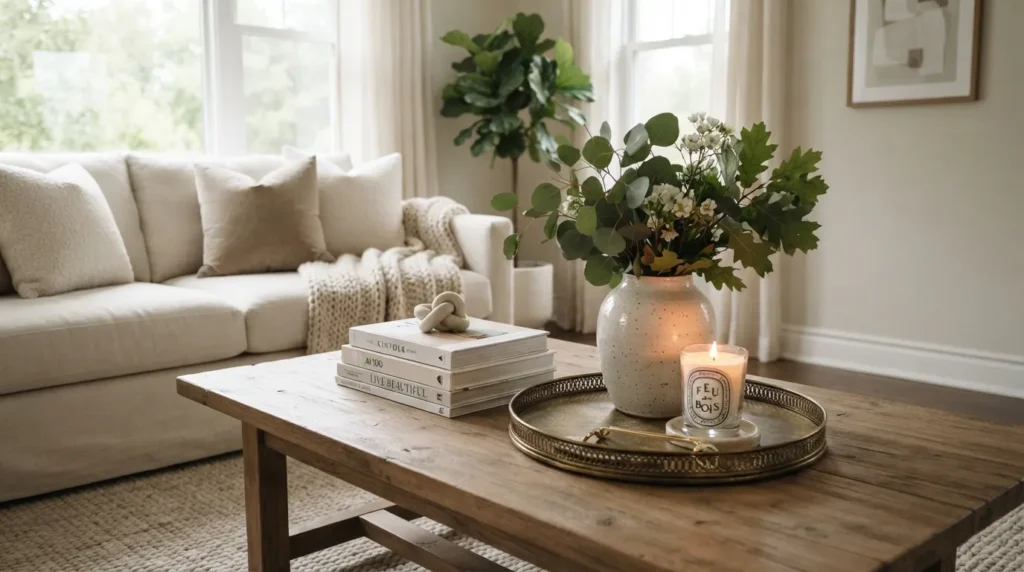
A thoughtfully styled coffee table makes a living room feel finished without appearing cluttered. Designers often group decorative objects in odd numbers while varying heights and textures to create natural balance and visual interest.
One thing that works especially well is combining decorative pieces with practical items so the table remains useful for everyday living.
How To Style It
Style your coffee table using a decorative tray, stacked coffee table books, a ceramic vase with fresh greenery, and a scented candle. Leave open space around the arrangement to avoid an overcrowded appearance.
Refresh accessories seasonally while keeping the overall styling simple and cohesive.
8. Natural Greenery
Quick Benefits
- Brings life into the room
- Improves visual freshness
- Softens hard surfaces
- Complements every style
- Creates relaxing atmosphere
Why It Works
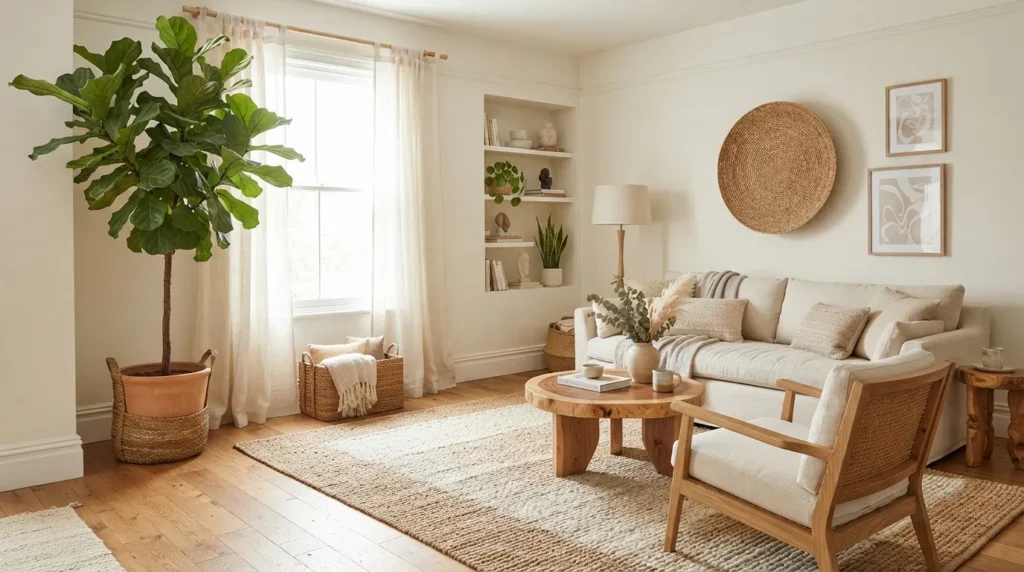
Plants introduce natural color, texture, and movement that make living rooms feel more welcoming. Whether you choose real or high-quality artificial greenery, plants soften furniture and architectural lines while creating a healthier, more vibrant atmosphere.
I’ve found that even one large indoor plant can dramatically change the energy of a room by making it feel brighter and more inviting.
How To Style It
Place a large fiddle leaf fig, olive tree, rubber plant, or bird of paradise in an empty corner. Add smaller plants to bookshelves, side tables, and console tables using ceramic or woven planters.
Mix plant heights to create a layered, natural look throughout the space.
9. Custom Window Treatments
Quick Benefits
- Makes ceilings appear taller
- Softens natural light
- Adds elegance
- Improves privacy
- Completes the room
Why It Works
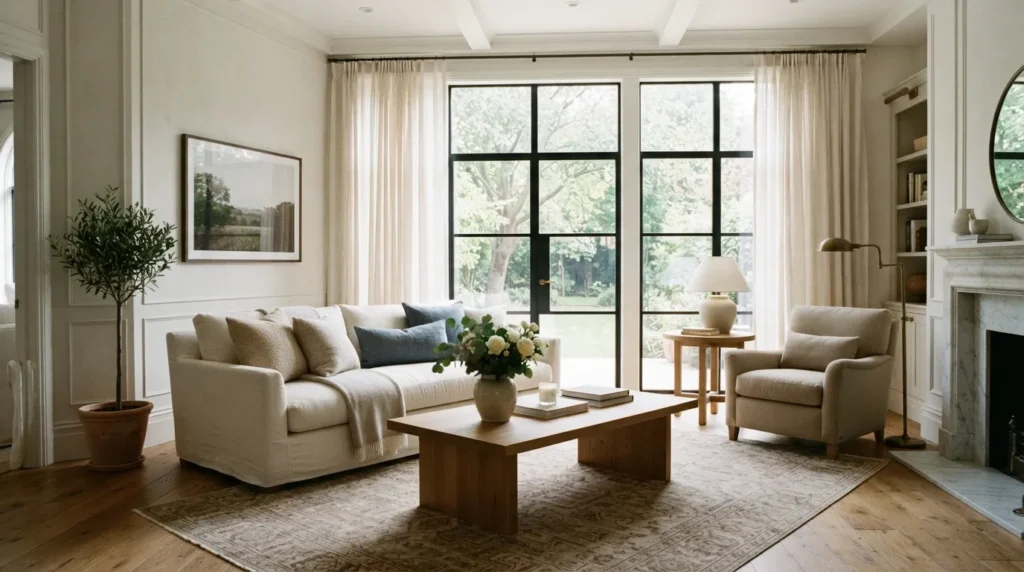
Window treatments frame the room and help control both light and privacy while adding softness to the overall design. Designers typically install curtains higher and wider than the window frame to make windows appear larger and ceilings feel taller.
I’ve noticed that full-length curtains instantly make even modest living rooms feel more luxurious.
How To Style It
Hang linen or cotton curtains close to the ceiling and allow them to extend to the floor. Choose neutral fabrics like ivory, beige, soft gray, or warm white for a timeless appearance.
Layer sheer curtains behind heavier drapes for flexibility throughout the day.
10. Personal Finishing Touches
Quick Benefits
- Makes the room unique
- Reflects your personality
- Adds warmth
- Creates meaningful décor
- Prevents showroom appearance
Why It Works
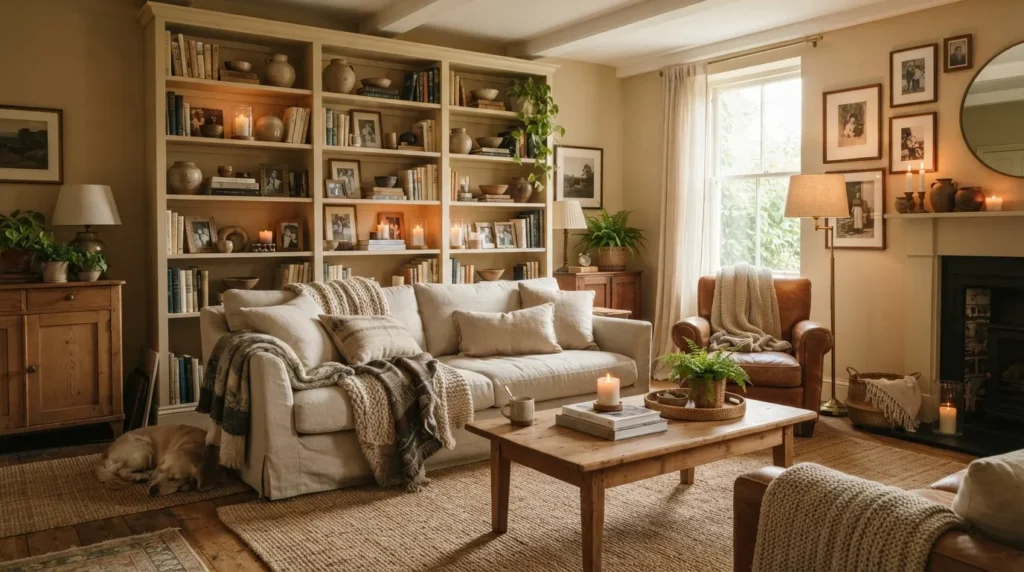
The most memorable designer spaces include carefully chosen personal elements that tell a story. Family photographs, travel souvenirs, favorite books, handmade pottery, and collected treasures give a living room authenticity while making it feel comfortable rather than overly staged.
That’s why professional designers rarely decorate entirely with brand-new accessories. Mixing personal items with decorative pieces creates a home that feels lived in and timeless.
How To Style It
Display meaningful objects on bookshelves, consoles, and coffee tables while keeping arrangements uncluttered. Mix framed photographs with candles, ceramics, books, and natural materials for balance.
Rotate decorative accessories seasonally to keep the room feeling fresh without completely redesigning the space.
Frequently Asked Questions
How do designers make a living room look expensive?
Designers focus on balanced layouts, layered lighting, quality textures, oversized rugs, cohesive color palettes, and carefully selected accessories rather than simply buying expensive furniture.
What colors make a living room feel timeless?
Neutral shades like warm white, ivory, beige, taupe, soft gray, and greige provide a timeless foundation. Accent colors such as sage green, navy, black, or terracotta can be introduced through décor and textiles.
How do I decorate a small living room like a designer?
Choose appropriately scaled furniture, use mirrors to reflect light, keep the color palette simple, incorporate vertical storage, and avoid overcrowding the room with unnecessary décor.
What is the biggest decorating mistake in a living room?
One of the most common mistakes is choosing furniture that’s too small or placing all furniture against the walls. Proper scale and thoughtful furniture placement create a much more balanced and inviting space.
How often should I update my living room décor?
Large furniture can remain timeless for many years, while smaller accessories like pillows, throws, artwork, and decorative objects can be updated seasonally or whenever you want a fresh new look.
How do I make my living room feel cozy without clutter?
Layer soft textures, add warm lighting, include natural greenery, and decorate with a few meaningful accessories instead of filling every surface. Thoughtful styling creates comfort while maintaining an open and organized appearance.
Conclusion
Decorating a living room like a designer isn’t about spending more—it’s about making thoughtful choices that create balance, comfort, and timeless style. From arranging furniture with intention to layering lighting, textures, greenery, and personal accessories, every detail contributes to a space that feels both beautiful and functional.
The most inviting living rooms combine practical layouts with carefully selected décor that reflects the people who live there. By focusing on quality over quantity and building your design one layer at a time, you can create a room that feels polished without looking overly staged.
Start by implementing one or two of these designer-inspired ideas, then gradually refine your space as your style evolves. Before long, you’ll have a living room that’s comfortable for everyday life and impressive enough to save on Pinterest for years to come.
Related Articles
- How to Decorate a Bedroom on a Budget
- 10 Bedroom Wall Decor Ideas That Look Designer Made
- 10 DIY Wall Art Ideas Anyone Can Make
- 10 Modern DIY Coffee Table Ideas
- 10 Living Room Wall Decor Ideas You’ll Love