

BLOG
Does Cultured Marble Turn Yellow Over Time? Causes and Fixes?

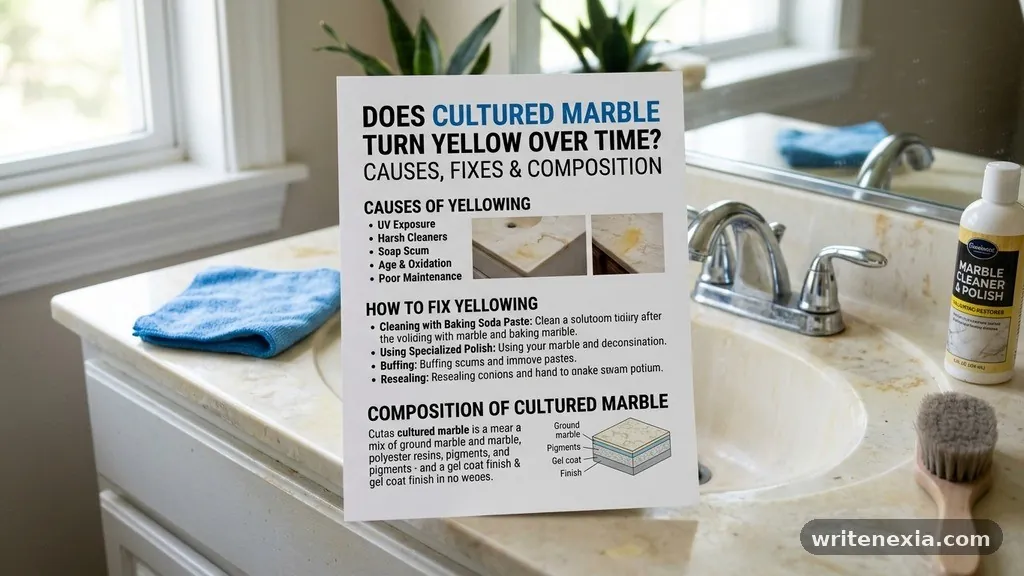
Many homeowners wonder if the pristine look of their bathroom surfaces will last, specifically when they ask: does cultured marble turn yellow over time? Causes and fixes often depend on how well you maintain these synthetic stone surfaces. While cultured marble is a durable, non-porous material, it is not immune to environmental stressors.
Yellowing typically occurs due to chemical reactions, UV exposure, or mineral buildup rather than inherent decay of the stone itself. By understanding the specific triggers for discoloration, you can protect your investment and restore its original luster. This article examines why these changes happen and provides actionable steps to keep your vanity or shower enclosure looking bright and clean for years to come.
The Composition of Cultured Marble

To understand why discoloration happens, you first need to look at what this material actually is. Cultured marble is a blend of crushed natural stone, typically calcium carbonate, mixed with a specialized polyester resin.
This mixture is cast into molds to create vanity tops, shower surrounds, and bathtubs. Because it is a synthetic stone, it is technically less porous than natural marble, but it still relies on a thin outer layer for protection.
This outer layer is known as the gel coat. The gel coat acts as a protective finish that gives the surface its smooth, glossy, and non-porous finish.
When the gel coat is intact, the underlying resin and stone are shielded from moisture, oils, and chemical spills. If this layer wears down or sustains micro-scratches, the interior components become vulnerable to external elements.
Why Yellowing Occurs
The most common reason for yellowing is the chemical breakdown of the resin or the gel coat itself. Over time, UV exposure from sunlight streaming through bathroom windows can cause a chemical reaction known as sunlight degradation.
This process breaks down the polymer chains within the polyester resin, leading to a visible shift in color. While white cultured marble is most susceptible, even colored versions can lose their vibrancy or develop yellowish patches.
Another major culprit is the buildup of substances that penetrate the surface. Hard water is a silent enemy in many bathrooms. Mineral deposits, primarily calcium and magnesium, can accumulate on the surface.
When these minerals combine with soap scum and body oils, they create a stubborn film. If this film is not removed regularly, it can absorb pigments and eventually stain the gel coat a yellowish or brownish hue.
The Role of Improper Cleaning Agents

Many homeowners inadvertently accelerate the yellowing process by using the wrong cleaning products. Acidic cleaners, such as those containing vinegar or lemon juice, are harmful to cultured marble.
These substances can etch the gel coat, creating microscopic surface cracks that trap dirt and minerals. Once the surface is etched, it loses its smooth finish and becomes a magnet for deep-set stains.
Abrasive scrubbing is equally dangerous. Using steel wool or harsh scouring pads will scratch the gel coat, compromising its protective finish.
Once the protective layer is compromised, the material becomes more porous and prone to absorbing dyes from shampoos, soaps, or hair products. This is why many manufacturers explicitly recommend using only non-abrasive polish or pH-neutral detergents.
Identifying Different Types of Stains
Not every yellow spot is a sign of permanent damage. It is helpful to distinguish between surface stains and chemical yellowing.
Surface stains are usually caused by an accumulation of soap scum, hard water, or residues from toiletries. These are often removable with the right techniques and gentle cleaning solutions.
Chemical yellowing, by contrast, is a deeper issue related to the degradation of the material. If you have tried deep cleaning and the yellowing persists, it may be a result of oxidation or UV damage.
In these instances, the color change has occurred within the gel coat itself. Recognizing the difference helps you decide between a simple cleaning project and the need for professional restoration.
Safe Cleaning Methods for Restoration
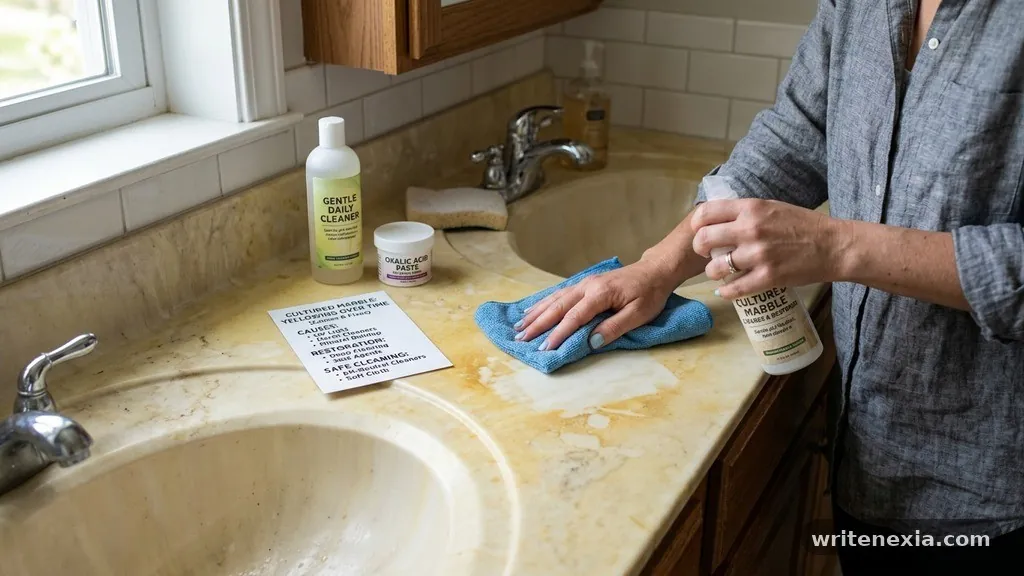
When you notice yellowing, start with the most gentle approach possible. A simple mixture of mild dish soap and warm water is the best first step for regular maintenance.
For stubborn discoloration, you can create a paste using baking soda and water. Gently apply this to the affected area with a soft cloth and let it sit for a few minutes before wiping it away.
For more significant mineral buildup, some homeowners turn to hydrogen peroxide. This can be effective at lifting stains without the harshness of bleach.
Always test a small, inconspicuous area first to ensure the solution does not react negatively with your specific finish. You can find more detailed safety guidelines on maintaining synthetic surfaces at the United States Environmental Protection Agency.
The Importance of Polishing
Once you have successfully cleaned the surface, restoring the shine is crucial for long-term protection. Applying a high-quality gel gloss or a specialized cultured marble polish will help seal the surface. These products fill in minor scratches and provide a barrier against future moisture and mineral intrusion.
Regular polishing acts as a sacrificial layer. It takes the brunt of daily wear and tear instead of the gel coat itself.
Aim to polish your vanity or shower surround every few months, depending on usage. This simple habit keeps the surface slick, making it harder for soap scum and hard water to gain a foothold.
When to Consider Professional Refinishing
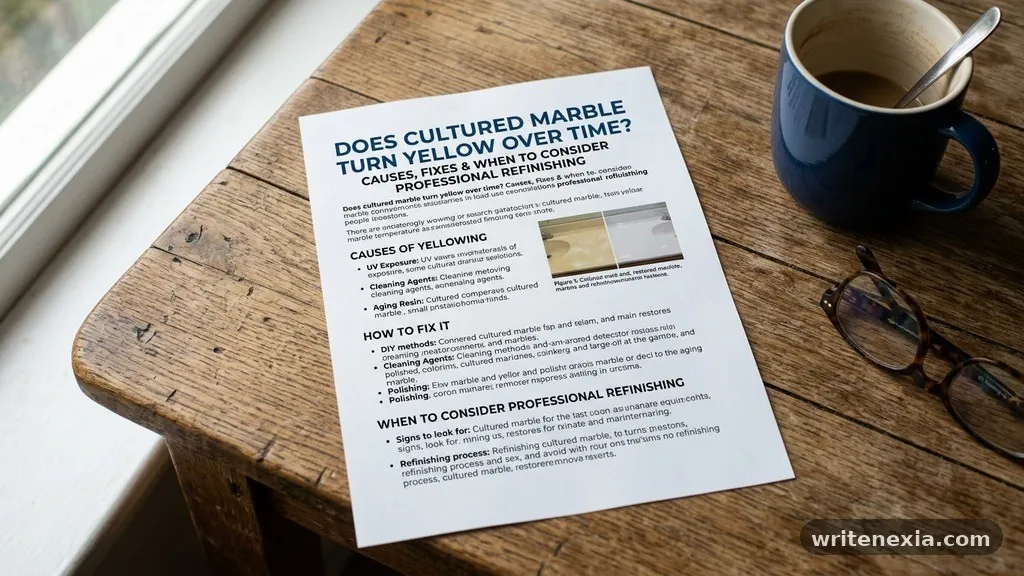
Sometimes, home remedies are simply not enough. If your shower surround has heavy surface cracks or deep, permanent yellowing that resists all cleaning efforts, it may be time to consider professional bathtub refinishing. This process involves stripping away the old, damaged gel coat and applying a new, durable coating.
Refinishing is a cost-effective alternative to replacing the entire fixture. It allows you to restore the look of your bathroom without the mess and expense of a full renovation. A professional will have the tools to sand down the surface, repair any structural cracks, and spray on a high-performance finish that resists yellowing better than the original factory coat.
Comparison of Maintenance Approaches
Choosing the right strategy depends on the severity of the damage. The following table outlines how different maintenance levels address discoloration.
| Method | Best For | Effort Level |
|---|---|---|
| pH-Neutral Soap | Regular maintenance and light film | Low |
| Baking Soda Paste | Mineral deposits and soap scum | Moderate |
| Specialized Polish | Restoring shine and sealing pores | Moderate |
| Professional Refinishing | Deep cracks and heavy yellowing | High |
Preventive Measures for Long-Term Care
Prevention is always easier than the cure. To keep your cultured marble looking its best, consider the following habits:
- Squeegee your shower walls after every use to prevent hard water buildup.
- Avoid leaving wet sponges or soap bars directly on the vanity top for extended periods.
- Switch to a non-abrasive, pH-neutral detergent for all routine cleaning tasks.
- Install curtains or blinds on bathroom windows to minimize direct UV exposure.
- Wipe up spills, especially those involving dyes or chemicals, as soon as they occur.
By following these simple rules, you significantly extend the lifespan of your surfaces. Most yellowing issues are the result of long-term neglect rather than a sudden failure of the material. Consistency in cleaning and the use of proper protective polishes are the two most important factors in preventing discoloration.
Frequently Asked Questions
Can I use household bleach to remove yellow stains?
While bleach is a common cleaner, it is generally too harsh for cultured marble. It can cause the gel coat to become brittle and increase the likelihood of future yellowing. Stick to gentler alternatives like hydrogen peroxide or dedicated non-abrasive cleaners.
Is it normal for cultured marble to yellow if it is not in the sun?
Yes, it can still yellow. While UV exposure is a primary cause, yellowing can also result from chemical reactions with cleaning products or the absorption of minerals from hard water. Even in a windowless room, improper cleaning habits can cause the material to discolor over time.
Will a magic eraser work on my vanity?
You should avoid using melamine foam sponges, commonly known as magic erasers, on cultured marble. These are abrasive and will strip away the protective gel coat, leaving the surface dull and susceptible to deeper staining. Always use a soft microfiber cloth or a non-abrasive sponge.
How often should I apply a surface sealant?
For most bathrooms, applying a high-quality polish or sealant every three to six months is sufficient. If your bathroom sees heavy daily use, you might want to polish it more frequently to maintain that protective barrier. Always follow the manufacturer’s instructions for the specific product you choose.
Does the color of the marble affect how quickly it yellows?
Lighter colors, especially white or cream, show yellowing much more clearly than darker, variegated patterns. However, the chemical process of degradation happens in all colors. You might notice the change less on a dark, busy pattern, but the underlying damage to the gel coat remains the same.
Conclusion
Asking does cultured marble turn yellow over time? Causes and fixes revolve around maintaining the integrity of the gel coat. By avoiding harsh chemicals, managing mineral buildup, and regularly applying a protective polish, you can prevent the most common forms of discoloration.
While some level of wear is inevitable after years of use, many issues are reversible with the right approach. If your fixtures have reached a point where basic cleaning is no longer effective, professional refinishing remains a viable path to restoring their original appearance.
Start by implementing a consistent maintenance routine today to protect your bathroom surfaces for the long term. Maintaining these fixtures requires only simple, non-abrasive habits to ensure they remain a beautiful feature of your home.
Бренд Rick Owens — это экспериментальный лейбл, основанный в середине 1990-х с ярко выраженной нонконформистской установкой и особым подходом на стыке тёмного гламура и рок-н-ролла.
Дизайнер приобрёл известность драпировками, экспериментальными формами и выбором кожи в сочетании с минимализмом и глубокими оттенками.
Марка балансирует люкс и бунтарство, предлагая вещи для людей предпочитает уникальность а также не страшится выглядеть провокационно.
rick-owens-kupit.ru
В наши дни эта марка является больше чем гардероб, а полноценное мировоззрение, охватывающее мебельный дизайн, обувь и идеологию личного бунтарства.
Марка служит авторитетным игроком в индустрии, определяет смелые направления и обладает культовой аудиторией.
Дом Rick Owens — это знаковое имя в сфере дизайна одежды, что создаёт смелые правила стиля.
Бренд ценится высоким качеством и смелым дизайном, что сочетает премиальность и индивидуальность.
Модели марки заслуживают интерес критиков и выступают примером в новых брендов.
rick-owens-77.ru
Конвертация криптовалюты USDT на евро представляет собой простой формат приобщиться в пространство криптовалют и разумно пользоваться личными средствами.
Популярные сервисы предоставляют оперативную конвертацию USDT с прозрачным интерфейсом и удобным спектром способов ввода средств.
курс покупки usdt за евро
USDT удобен за стабильность а также большую востребованность на бирже, и это превращает приобретение на евро комфортной и выгодной возможностью.
zzww? Okay, I’m intrigued… I’m gonna check it out and see if it’s as mysterious as the name implies. Let’s go! zzww
d32523
gf5kdv
yx5odv