

BLOG
What to Do If the Bathroom Faucet Drain Hole Is Cut Too Close to the Wall
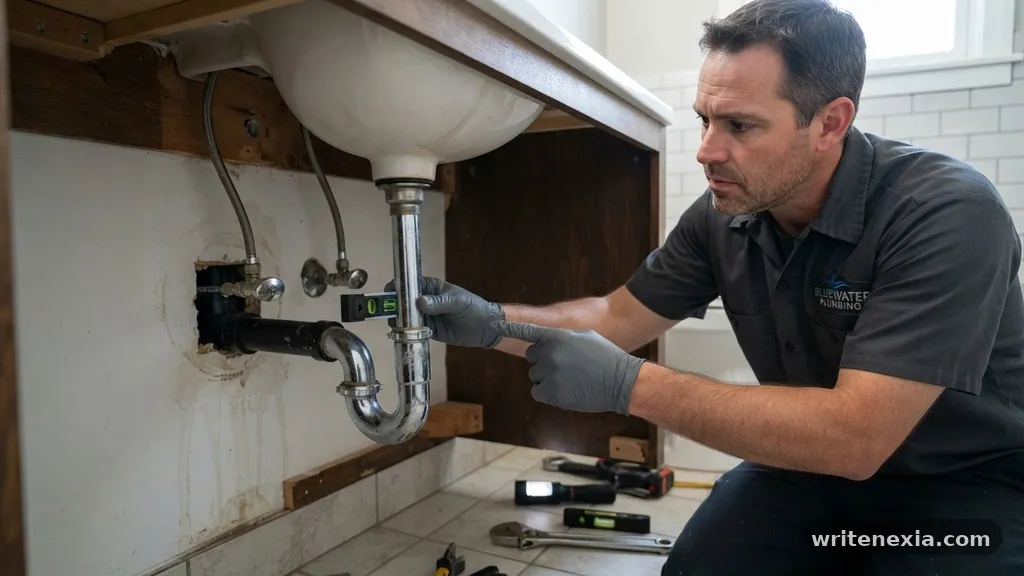
When you realize that you need to know what to do if the bathroom faucet drain hole is cut too close to the wall, you are likely staring at a plumbing nightmare during a renovation. This situation often occurs when a vanity is replaced or the plumbing rough-in was positioned incorrectly by a previous contractor.
Solving this requires understanding how to manage tight drain clearances without compromising the integrity of your P-trap or the overall plumbing alignment. In the following sections, we will explore specific techniques to address this misalignment, ensuring your sink drains properly while meeting local building codes.
Immediate Steps for Assessing the Plumbing Misalignment

Before attempting a repair, you must first determine the severity of the issue by measuring the distance from the wall to the center of the drain tailpiece. A standard bathroom sink typically requires a certain amount of clearance to accommodate the P-trap assembly and the necessary slope for gravity-fed drainage. If the drain stub out emerges from the wall too close to the vanity back panel, you have a physical obstruction that prevents a standard connection.
Begin by removing the vanity back panel if it is a simple plywood or thin board construction. Often, the drain pipe is actually in the correct spot, but the vanity itself is not cut out correctly to allow the pipe to pass through.
If the pipe is truly too close to the wall for a trap adapter, you are looking at a more complex structural challenge. Never force a connection that puts stress on the sink flange or the wall pipe, as this will eventually lead to leaks.
Utilizing Offset Connectors and Flexible Solutions
When the plumbing alignment is off by only an inch or two, an offset connector or a flexible drain pipe can save you from opening up the wall. These fittings allow you to redirect the flow of water from the sink tailpiece to the drain pipe emerging from the wall. While traditional rigid PVC or ABS pipe is preferred for long-term reliability, a high-quality flexible pipe can provide the necessary wiggle room in tight spaces.
Be cautious when using flexible connectors, as they can sometimes create “dead spots” where debris collects and causes clogs. Ensure the pipe maintains a consistent downward slope to facilitate proper wastewater drainage.
If you choose a flexible option, verify that it is approved by your local plumbing code for the intended application. Many inspectors prefer rigid piping, so check your local regulations before finalizing a “quick fix” that might fail a future inspection.
Relocating the Drain Pipe in the Wall

If the drain stub out is so close to the wall that no fitting can physically attach, you must consider relocating the pipe behind the drywall. This is the most invasive but also the most permanent solution to the problem.
You will need to cut a section of the wall away to expose the sanitary tee and the main drain line. Once exposed, you can cut the pipe using a standard pipe cutter and reconfigure the fittings to move the stub out to the optimal position.
This process requires a basic understanding of how to glue PVC or ABS pipe using primer and solvent cement. Ensure that you maintain the correct pipe slope, which is generally 1/4 inch of drop per foot of horizontal run.
If you are not comfortable working with behind-the-wall plumbing, hiring a professional is the safest route to prevent water damage. A properly installed drain system is essential for the longevity of your bathroom vanity installation.
Managing Vanity Back Panel Obstructions
Sometimes, the issue isn’t the plumbing itself but the vanity cabinet design interfering with the drain. If the hole in the back of your vanity is too small or positioned incorrectly, you can simply enlarge it using a jigsaw or a hole saw.
This is a common occurrence in DIY bathroom renovations where the vanity is a different size than the one it replaced. Always seal the edges of the cut wood with a waterproof sealant to prevent moisture from the bathroom air from rotting the cabinet.
If the drain pipe is flush against the back of the vanity, you might need to notch the vanity shelf or the back panel entirely. Ensure that you are not cutting into structural supports that hold up the sink, as this could lead to the vanity sagging over time. If the structural integrity of the cabinet is compromised, add reinforcement blocks to the frame to distribute the weight of the sink and countertop.
Understanding the Role of the P-Trap
The P-trap is the most critical component in your drainage system, serving as a water seal that prevents sewer gases from entering your home. When you are dealing with a drain hole that is too close to the wall, you might be tempted to omit the trap or use an undersized one.
This is a significant mistake that can lead to hazardous conditions and code violations. Every sink must have a functional trap that is easily accessible for cleaning.
If the space is too tight for a standard deep-seal trap, look for “low-profile” or “space-saver” P-trap kits designed for tight vanity cabinets. These kits are engineered to provide the necessary trap seal while using less vertical and horizontal space.
Always use a proper slip-joint fitting with a clean, undamaged washer to prevent leaks at the connections. If the pipe ends are rough, sand them smooth before installing the compression nut to ensure a watertight seal.
Choosing Between Rigid and Flexible Piping

When considering what to do if the bathroom faucet drain hole is cut too close to the wall, you will inevitably have to choose your materials. The following table compares the common materials used in these types of repairs:
| Material Type | Best Use Case | Durability |
|---|---|---|
| Rigid PVC/ABS | Permanent, code-compliant connections | High |
| Flexible Drain Pipe | Tight spaces with minor misalignment | Moderate |
| Offset Tailpiece | Vertical misalignment at the sink | High |
| Chrome Plated Brass | Visible, aesthetic-focused installations | High |
Each material has specific requirements for assembly. Rigid pipes require solvent welding, which is permanent, whereas slip-joint connections allow for future disassembly. Always apply a thin layer of high-quality thread sealant to the threads of compression nuts if you are concerned about slow drips, though a properly seated washer should handle the sealing.
Best Practices for Plumbing Renovations
When working with sink drainage, cleanliness is as important as accuracy. Before you glue any joints, dry-fit the entire assembly to ensure that the pipes line up without needing to be forced.
If you have to bend or twist the pipe to make it fit, the joint will eventually fail due to tension. Always use a level to verify that your pipe slope is sufficient to move water away from the sink bowl.
Keep a bucket beneath your work area during the testing phase to catch any water that might escape from joints. After you have fully assembled the drain, run a significant amount of water through the sink to check for leaks under pressure. If you detect a leak, do not simply tighten the nut further; disassemble the joint, inspect the washer for debris or damage, and reconnect it carefully.
Common Tools Needed for Drain Repairs
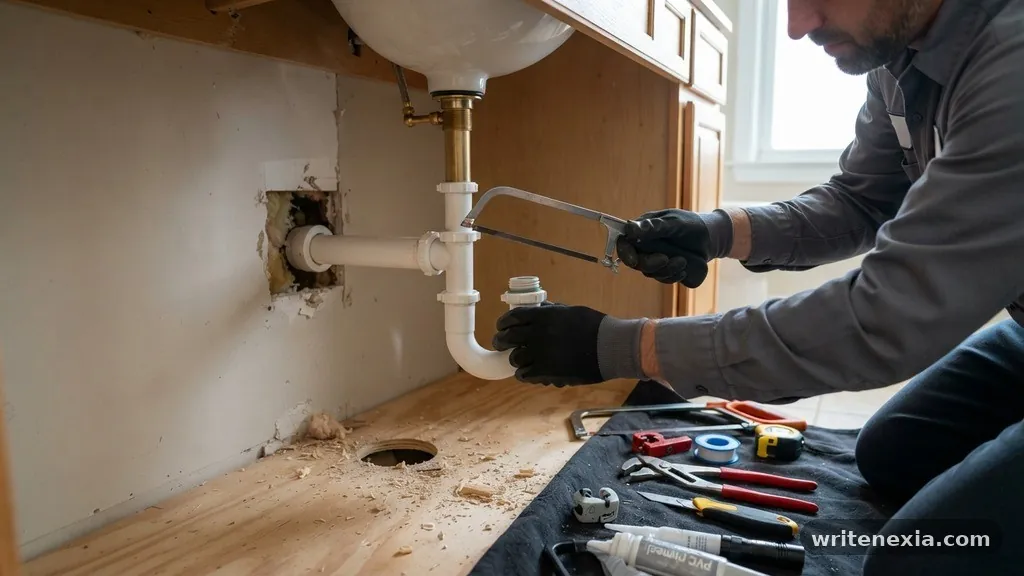
Having the right tools will make the process of fixing a tight drain clearance much less stressful. You should have a basic set of plumbing tools ready before you begin the disassembly. Here is a list of essential items you will likely need for this project:
- Pipe cutter or a fine-toothed hacksaw for clean, square cuts
- Adjustable slip-joint pliers to tighten compression nuts
- Deburring tool to smooth the ends of cut PVC or ABS pipe
- Teflon tape or professional-grade thread sealant
- Jigsaw or hole saw for modifying the vanity cabinet
- Bucket and rags for managing unavoidable water spills
- Level to ensure proper drainage slope
Having these tools on hand prevents mid-project trips to the hardware store. It also allows you to make precise adjustments if you find that the pipe needs to be shortened or angled slightly differently than originally planned.
When to Call a Professional Plumber
There are instances where the complexity of the situation exceeds a standard DIY repair. If you discover that your drain stub out is connected to old cast-iron piping, do not attempt to cut it yourself.
Cast iron is brittle and difficult to work with, often requiring specialized tools and techniques that are best left to professionals. Furthermore, if you are unsure about the location of your plumbing vent, you should consult an expert.
Altering the venting system can lead to slow drainage or, worse, the siphoning of the P-trap seal. If you have moved the drain and the sink is still gurgling or draining slowly, you likely have a venting issue. A professional can use a camera to inspect the lines and ensure that the new configuration meets the necessary plumbing code requirements for your municipality.
Ensuring Long-Term Reliability
Once you have successfully resolved the issue, take the time to document what you did. If you had to use a custom configuration or a specific type of offset, make a note of it for future reference.
This is especially helpful if you ever sell the home or need to perform maintenance on the sink years down the road. Periodically check the area under the sink for signs of moisture or water spots.
A successful repair is one that you can forget about because it works perfectly. By taking the time to align the pipe correctly and using high-quality fittings, you avoid the common pitfalls that lead to recurring leaks. If you keep the area under the sink clear of clutter, you will also be able to spot any potential issues before they cause significant damage to your vanity or flooring.
Frequently Asked Questions
Can I use a flexible pipe permanently if the drain is too close?
While some flexible pipes are rated for permanent use, many local building codes prefer rigid piping. Check with your local building department to ensure that a flexible connector is acceptable in your jurisdiction before closing up the vanity.
What if I cut the hole in the vanity too large?
If you accidentally cut the hole too large, you can use a decorative escutcheon plate or a piece of trim to cover the gap. You can also use a matching piece of wood veneer to patch the area if the vanity is a high-end finish.
How do I know if my drain slope is correct?
The general rule for residential plumbing is a slope of 1/4 inch per foot. You can check this by placing a level on the horizontal pipe; if the bubble is just slightly off-center toward the direction of the drain, you likely have the correct pitch.
Is it okay to use a smaller diameter pipe to fit the space?
No, you should never reduce the diameter of the drain pipe below the size of the sink tailpiece. Doing so will restrict the flow of water and increase the likelihood of clogs, even if it makes the physical installation easier.
Can I move the P-trap to the side to gain clearance?
Yes, you can use offset fittings to move the P-trap horizontally, provided you maintain the proper slope and ensure that the trap is still installed in a way that allows for easy removal and cleaning.
Final Thoughts
Addressing a drain hole that is too close to the wall is a classic plumbing challenge that tests both patience and precision. By systematically assessing the clearance, choosing the right fittings, and ensuring your slope meets the necessary standards, you can achieve a professional-grade result. Whether you opt for a simple offset connector or a more involved relocation of the wall pipe, the goal remains the same: a reliable, leak-free connection.
If you ever feel uncertain about the structural or code implications of your repair, do not hesitate to reach out to a local plumber to confirm your work. Proper planning and the right tools will ensure your bathroom remains both functional and dry for years to come.
Related Posts

Should You Put a 4-Inch Backsplash Behind a Bathroom Vanity?
-
Posted by
snighatfatima99@gmail.com
How Much Weight Can a Floating Vanity Countertop Support Without Brackets?
-
Posted by
Best Heavy-Duty Steel Brackets for Supporting Granite Vanity Tops
-
Posted by
huqkswxkwosqnddxqlwkzzullgfnvj
edfjjgzlqzrpzozhsqvuouftprxyrs
I have been a regular high roller in Bangladesh for years and finally found a VIP lounge that actually treats players like family. The personalized bonuses arrive right on schedule and the dedicated account manager answers my requests instantly. Withdrawals are processed without unnecessary delays and the event invitations make me feel truly valued. If you want premium service with genuine respect for your loyalty you need to join this circle. Step inside at 7betbdvip
vsah97