

BLOG
How to Remove Stubborn Hard Water Stains from Dark Granite Countertops
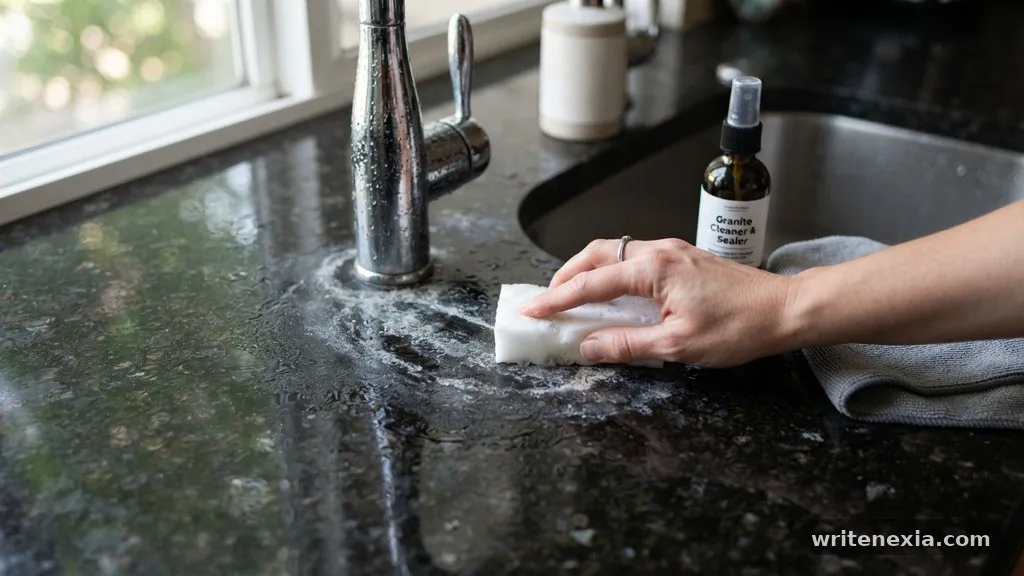
Removing stubborn hard water stains from dark granite countertops is a common challenge for homeowners, as the high mineral content in tap water leaves unsightly white, chalky residue. Because dark granite is highly visible, these calcified deposits often stand out against the deep, polished surface, making the kitchen or bathroom look unkempt despite regular cleaning.
Fortunately, you can restore the luster of your stone with the right techniques and gentle materials. By understanding the chemical nature of mineral buildup and using non-abrasive methods, you can effectively clear away these spots without etching or scratching the delicate finish of your natural stone surfaces.
Understanding Mineral Deposits on Dark Granite

Hard water contains elevated levels of calcium and magnesium, which remain on the surface after the water evaporates. On light-colored stone, these deposits are often invisible, but on dark granite, they create a stark, cloudy contrast that dulls the natural shine. These mineral deposits are alkaline in nature, meaning they respond best to mild, acidic cleaning agents that can break down the bond between the calcium and the stone.
When addressing this issue, it is vital to remember that granite is a porous natural stone. If you use harsh chemicals or improper cleaning tools, you risk dulling the polish or stripping away the protective sealant.
Many commercial cleaners marketed for bathroom tiles are too acidic for granite and can cause permanent etching. Focus instead on pH-neutral solutions or very mild, controlled acidity to lift the stains safely.
The Risks of Improper Cleaning Methods
Many people mistakenly reach for vinegar, lemon juice, or harsh bathroom descalers when they first notice mineral buildup. While these products are effective on porcelain or chrome, they can be disastrous for natural stone surfaces. Acidity eats into the calcite minerals present in the granite, causing the surface to lose its reflective quality and look permanently dull.
Never use steel wool, abrasive scouring pads, or stiff-bristled brushes on your countertops. These materials will create micro-scratches that trap future dirt, making it even harder to maintain a clean appearance.
If you have already used a harsh product and notice a dull spot, you may need a professional stone polisher to restore the finish. Prevention and gentle, targeted cleaning are always more effective than attempting to fix damage caused by aggressive scrubbing.
Preparing Your Cleaning Solution
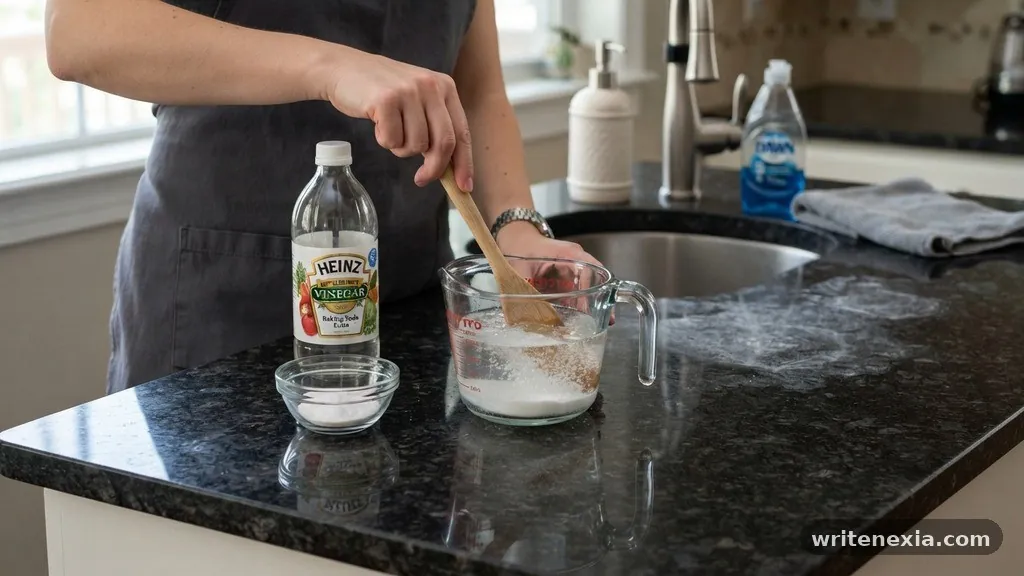
Before you begin removing stubborn hard water stains from dark granite countertops, gather the right materials to ensure a safe process. You need a high-quality, pH-neutral granite cleaner, distilled water, and several clean microfiber cloths. Using distilled water is crucial because tap water often contains the very minerals you are trying to remove, which can lead to new spots appearing as you clean.
Create a mild cleaning paste if the stains are particularly thick or calcified. Mix a small amount of granite-safe stone soap with a pinch of baking soda to create a thin, smooth consistency.
Avoid making the paste too thick, as this makes it difficult to rinse away completely. Always test any mixture on a small, inconspicuous area of the countertop, such as near the base of the cabinetry, before applying it to the main surface.
The Step-by-Step Removal Process
Start by wiping the area with a soft, damp microfiber cloth to remove loose debris and dust. Apply your chosen pH-neutral cleaner or your mild stone-safe paste to the affected spot, ensuring it covers the entire mineral deposit. Let the solution sit for about three to five minutes, but do not allow it to dry on the surface, as this can leave a new residue.
Use a soft plastic scraper or a nylon-mesh pad—the kind designed for non-stick pans—to gently work the deposit loose. Apply light, circular pressure, taking care not to gouge the stone.
Once the mineral crust begins to lift, wipe the area clean with a fresh, damp cloth. Repeat this process as necessary, ensuring you rinse the area thoroughly with clean, distilled water to remove any lingering soap residue.
Why Distilled Water Matters
You might wonder why regular tap water is discouraged when cleaning sensitive stone. Tap water contains dissolved solids that, once the water evaporates, leave behind the same minerals that caused the stains in the first place. When you wipe your countertops with tap water, you are essentially re-depositing minerals onto the granite.
Distilled water has been processed to remove these impurities, making it the ideal medium for rinsing your stone surfaces. It prevents streaking and ensures that the final wipe-down leaves the granite completely clear. Keeping a spray bottle of distilled water in your kitchen cabinet is a simple, inexpensive habit that significantly improves the long-term clarity of your dark granite.
Comparing Cleaning Agents for Granite
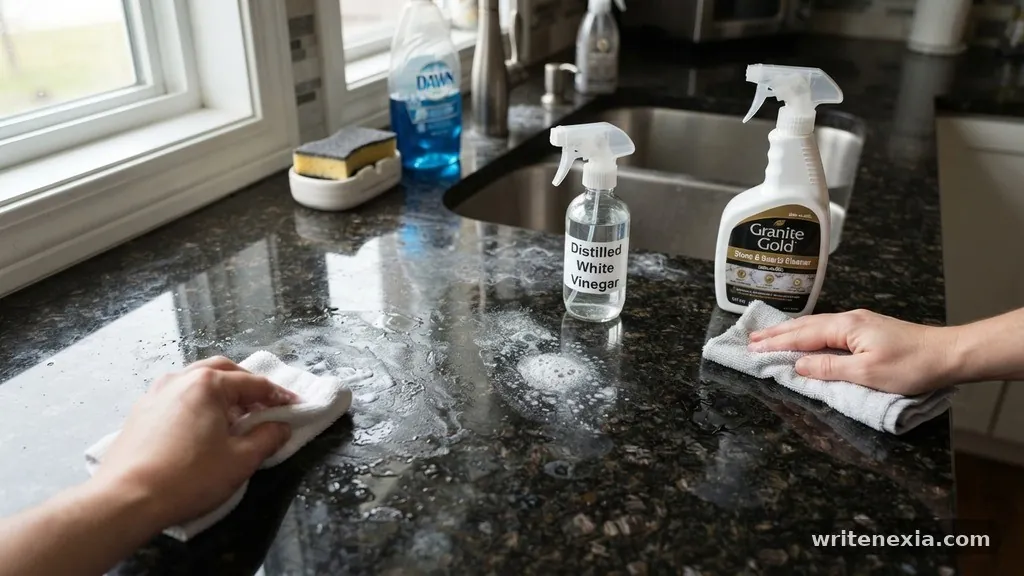
Choosing the right cleaner is essential for protecting the longevity of your investment. The table below compares common household substances and their suitability for use on dark granite surfaces.
| Cleaning Agent | Safe for Granite? | Notes |
|---|---|---|
| Distilled Water | Yes | Best for daily maintenance and rinsing. |
| pH-Neutral Stone Cleaner | Yes | Formulated to clean without etching the sealant. |
| White Vinegar | No | Highly acidic; will etch and dull the polished surface. |
| Lemon Juice | No | Contains citric acid that damages the stone finish. |
| Baking Soda Paste | Conditional | Safe only if mixed with water and used very gently. |
Preventative Maintenance Strategies
The most effective way to avoid the need for intensive cleaning is to establish a daily wipe-down routine. After using the sink, keep a dedicated microfiber cloth nearby to dry the granite immediately. Water spots cannot harden into stubborn stains if the water is removed before it has a chance to evaporate on the stone.
Consider applying a high-quality granite sealer every six to twelve months. A good sealant fills the microscopic pores in the stone, making it more resistant to water penetration and mineral buildup.
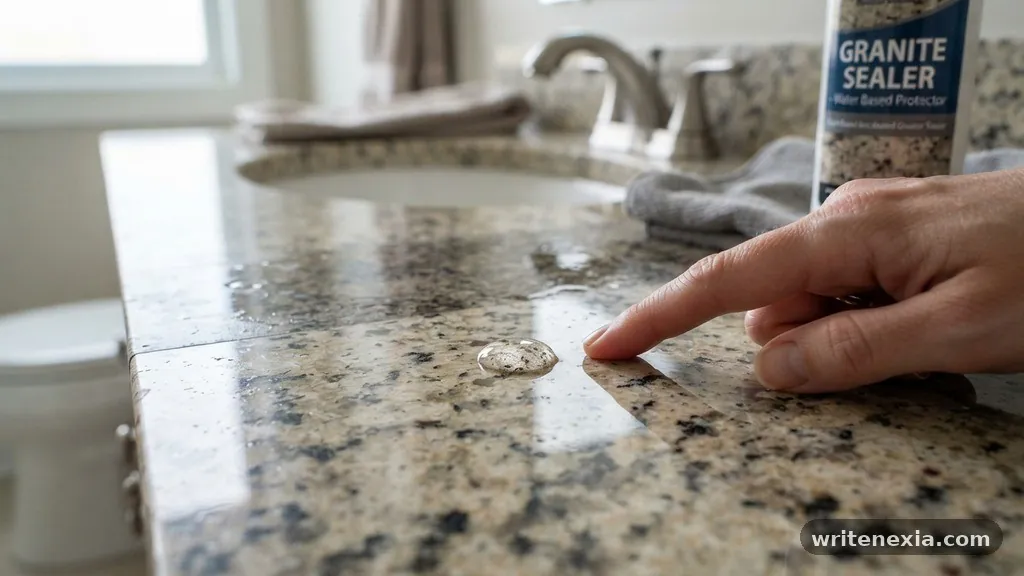
When water beads up on the surface rather than soaking in, you know your sealant is performing its job effectively. Consistent sealing makes the removal of future hard water stains significantly easier.
Selecting the Right Tools
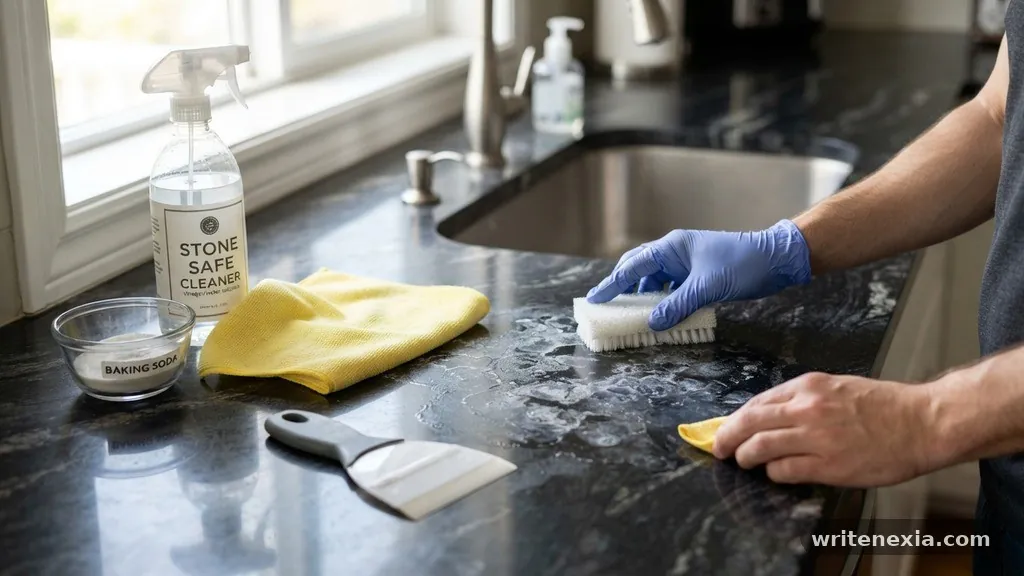
Not all cloths are created equal when it comes to maintaining dark granite. Avoid paper towels, which can be abrasive and leave behind lint that traps moisture and minerals. High-quality microfiber cloths are the gold standard because they are soft, highly absorbent, and designed to lift particles without scratching the surface.
Keep a stock of clean cloths specifically for your countertops. Wash them without fabric softener, as the oils in softeners can create a film on your granite that attracts more dust and water spots. By using the right tools, you reduce the physical friction required to keep the stone clean, which preserves the factory polish for years to come.
Dealing with Especially Thick Buildup
If you have allowed mineral deposits to accumulate for months or years, a simple wipe-down may not suffice. In these cases, you can use a specialized stone-safe razor blade scraper held at a very low angle to gently shave off the crust. This requires a steady hand and must be done carefully to avoid digging into the stone.
Always keep the blade flat against the surface and use very light pressure. This method is highly effective for removing thick, calcified rings around faucets or soap dispensers.
If you are uncomfortable using a blade, hire a professional stone restoration expert. They have specialized buffers and powders that can remove severe buildup while simultaneously re-polishing the granite to a mirror-like finish.
Common Mistakes to Avoid
Many homeowners inadvertently damage their stone by following “hacks” found on the internet. One of the most dangerous suggestions is using WD-40 or heavy oils to hide water spots. While these products might temporarily mask the dullness, they create a greasy film that ruins the natural look of the granite and attracts dirt.
Another error is using abrasive sponges or scouring pads meant for stainless steel. Even if the sponge looks soft, it often contains microscopic abrasive particles that will leave permanent swirl marks on dark, polished granite. Always stick to the rule of using the softest material possible to achieve the result, and if a stain persists, opt for a longer soak with a safe cleaner rather than more aggressive scrubbing.
Frequently Asked Questions
Is it safe to use baking soda to remove hard water stains?
Yes, but only when mixed into a thin paste with water. Do not scrub forcefully, as the fine granules in baking soda can act as a mild abrasive that might dull the finish of highly polished dark granite.
How do I know if my granite is etched or just stained?
An etch mark usually appears as a dull, matte spot that feels slightly rougher than the surrounding stone. A mineral stain is a deposit sitting on top of the stone; it can be scraped off with a fingernail or a plastic scraper.
Should I use a commercial descaler on my granite countertops?
You should avoid standard bathroom descalers, as they are typically too acidic for natural stone. Only use products specifically labeled as safe for granite or natural stone surfaces to avoid damaging the sealant or the stone itself.
Why does my dark granite look cloudy after I clean it?
Cloudiness is often caused by soap scum buildup or using water with high mineral content. Try rinsing the surface with distilled water and buffing it dry with a clean, dry microfiber cloth to restore the shine.
How often should I seal my granite to prevent stains?
Most experts recommend sealing your granite countertops once a year. You can test if it’s time to seal by dropping a small amount of water on the surface; if it soaks in within a few minutes, the stone is porous and needs a fresh coat of sealer.
Conclusion
Maintaining the beauty of your home begins with proper care for your natural stone surfaces. By understanding the specific needs of your dark granite, you can avoid the common pitfalls that lead to permanent damage. Removing stubborn hard water stains from dark granite countertops is entirely achievable when you prioritize gentle, pH-neutral solutions and consistent, moisture-free maintenance.
Keep your cleaning routine simple by utilizing distilled water and dedicated microfiber cloths to prevent mineral accumulation before it starts. With these practices in place, your countertops will remain a stunning focal point in your home for years. If you encounter a particularly stubborn spot that refuses to budge, remember that patience and professional advice are your best tools for preserving the integrity of your stone.
Related Posts
How to Re-Seal a Granite Vanity Top: Water Drop Test Explained
-
Posted by
snighatfatima99@gmail.com
Undermount Sink vs Drop-In Sink: Which Is Safer for Thin Countertops?
-
Posted by
pdnehhoruvtywgyggyxgtkmngmedrd
Jfeuwgduwefhw fuhefyugewfhqwyfuewu uwqduiqwhfqefhwduhwfe uwhidwdfefue writenexia.com
Перевод воспринимается как надёжный и при этом стабильный решение сохранить активы и сохранить инвестиции от резких колебаний.
Подобный формат выполняется быстро, с низкими издержками и на проверенных сервисах, что позволяет сделать его доступным даже для пользователей.
Благодаря открытым условиям, стабильной инфраструктуре и удобному процессу, конвертация биткоина на USDT служит разумным и особенно удобным решением для управления криптовалютными активами.
проверка условий пары BTC USDT
LTC (Litecoin) — это проверенная и при этом доступная цифровая валюта, которая действует бесперебойно с момента запуска.
Она обеспечивает мгновенные операции и минимальные сборы, и это позволяет считать криптовалюту удобной для бытовых операций а также глобальных переводов.
здесь
За счёт зрелой репутации эта монета является востребованным активом для удобного переводов и долгосрочного присутствия в финансовом экосистеме.