

BLOG
What Is the Standard Front and Side Overhang for a Vanity Countertop?
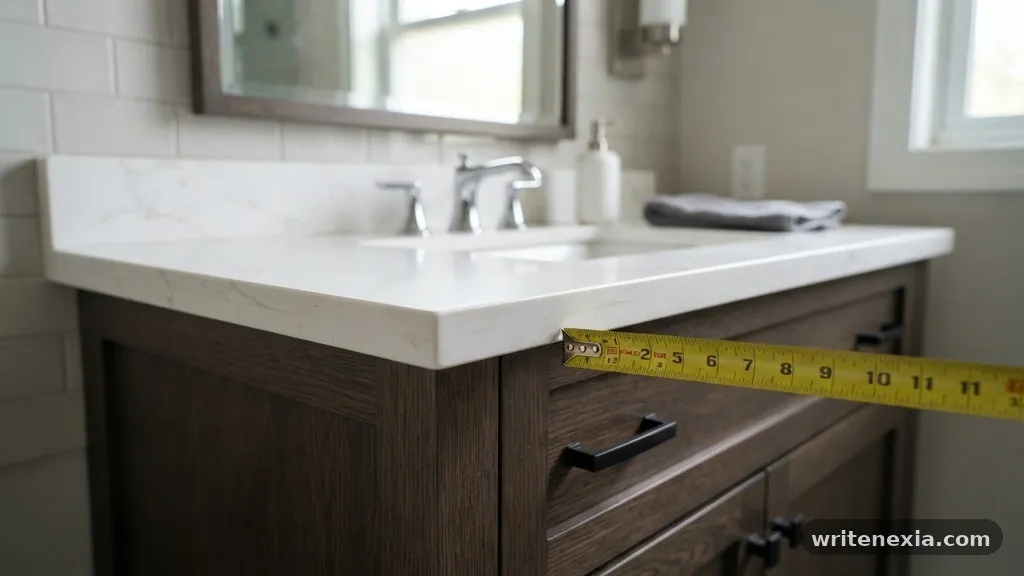
Deciding on the right dimensions for your vanity is a critical step in bathroom renovation, as understanding the standard front and side overhang for a vanity countertop ensures both aesthetic appeal and daily functionality. A well-measured vanity top provides enough clearance for doors and drawers while preventing water from dripping directly onto the cabinet face.
Whether you are working with custom stone or a pre-fabricated unit, these measurements dictate the final look of your space. This article breaks down the industry norms, helping you make informed decisions that balance style with practical utility during your next project.
Determining the appropriate extension beyond the cabinet face is the first step in successful installation. For most residential bathroom projects, the industry consensus for the standard front and side overhang for a vanity countertop is between 1 inch and 1.5 inches. This measurement is calculated from the front face of the cabinet doors or drawers, not the cabinet frame itself.
By allowing the stone to project slightly, you create a visual shadow line that gives the vanity a finished, professional appearance. This spacing also helps protect the wood cabinetry from accidental splashes, as water is more likely to drip to the floor rather than pooling on the door fronts.
Front Overhang Considerations 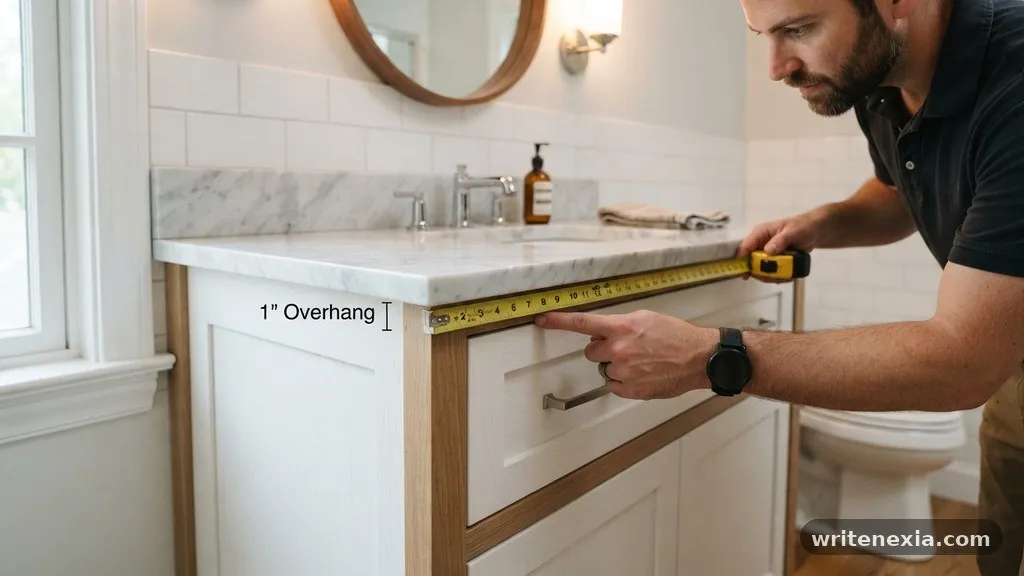
The front projection is primarily about protecting your cabinetry and ensuring ease of use. A 1-inch overhang is generally considered the minimum to keep water away from the cabinet doors.
If you have a decorative cabinet front or hardware that protrudes significantly, you might find that a slightly larger overhang is necessary for clearance. However, exceeding 1.5 inches can sometimes make the countertop feel flimsy or prone to cracking if the stone is not properly supported. Always account for the thickness of your drawer fronts when calculating this distance, as they often sit slightly proud of the cabinet frame.
Side Overhang and Wall Clearance
Side overhangs are governed by the placement of the vanity within the room.
If the vanity sits in a corner or between two walls, the side overhang is typically reduced to 0 inches or a very small 0.25-inch gap to account for walls that are rarely perfectly plumb. When the vanity is freestanding or placed at the end of a run, a side overhang of 1 inch is common to match the front projection. This creates a cohesive look that wraps the edge of the cabinet nicely.
If the side of the vanity is exposed, ensure the edge profile matches the front to maintain design consistency.
Why Measurements Matter for Stone 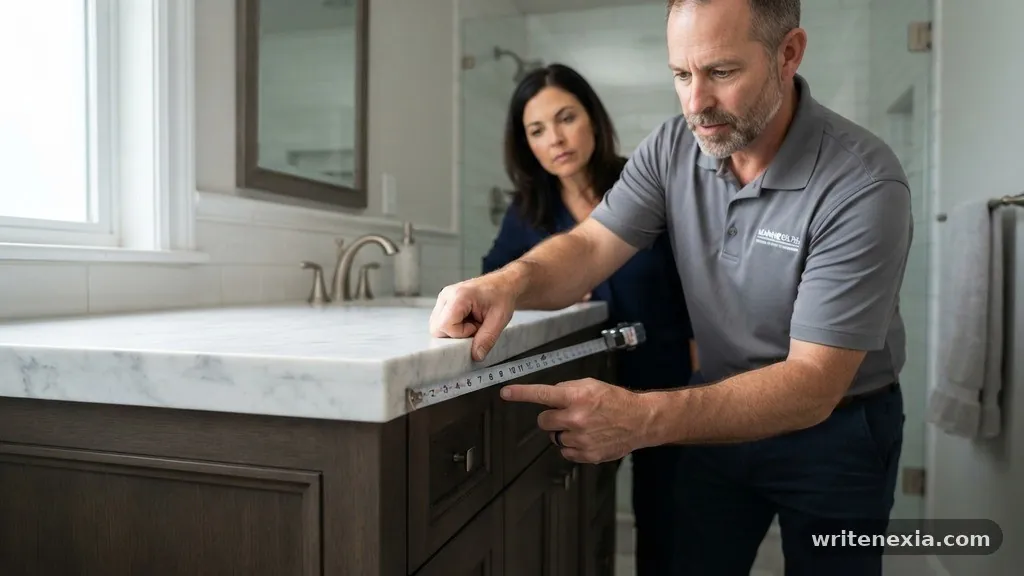
When working with heavy materials like granite, marble, or quartz, the overhang is not just a design choice but a structural one. Stone is brittle and can snap if it has too much unsupported weight extending past the cabinet. If you opt for an overhang greater than 2 inches, you will almost certainly require additional corbels or steel support brackets.
These supports prevent the stone from cracking under the weight of a heavy sink or accidental pressure from a user leaning on the edge. Always consult with your fabricator before finalizing a design that exceeds standard dimensions.
Comparing Countertop Projection Standards
Understanding how these measurements compare across different installation types helps clarify expectations.
While the bathroom vanity has specific needs, kitchen counters often follow different rules due to the presence of appliances and seating areas. The following table provides a quick reference for typical overhang expectations in various configurations.
| Application | Standard Front Overhang | Side Overhang (Exposed) |
|---|---|---|
| Bathroom Vanity | 1.0″ – 1.5″ | 1.0″ |
| Kitchen Base Cabinet | 1.0″ – 1.25″ | 1.0″ |
| Kitchen Breakfast Bar | 10.0″ – 12.0″ | N/A |
| Wall-to-Wall Vanity | 1.0″ | 0″ (Butted) |
The Impact of Cabinet Door Styles
The style of your cabinet doors significantly influences how you measure your overhang. Traditional face-frame cabinets have doors that sit flush with the frame, making the calculation straightforward. In contrast, full-overlay doors cover the entire frame, meaning the door surface is nearly flush with the cabinet box. If you have full-overlay doors, you must ensure the countertop overhangs the door itself, not just the box. Failure to account for the thickness of the door can lead to the countertop looking too short or flush, which ruins the desired shadow line effect.
Addressing Out-of-Plumb Walls
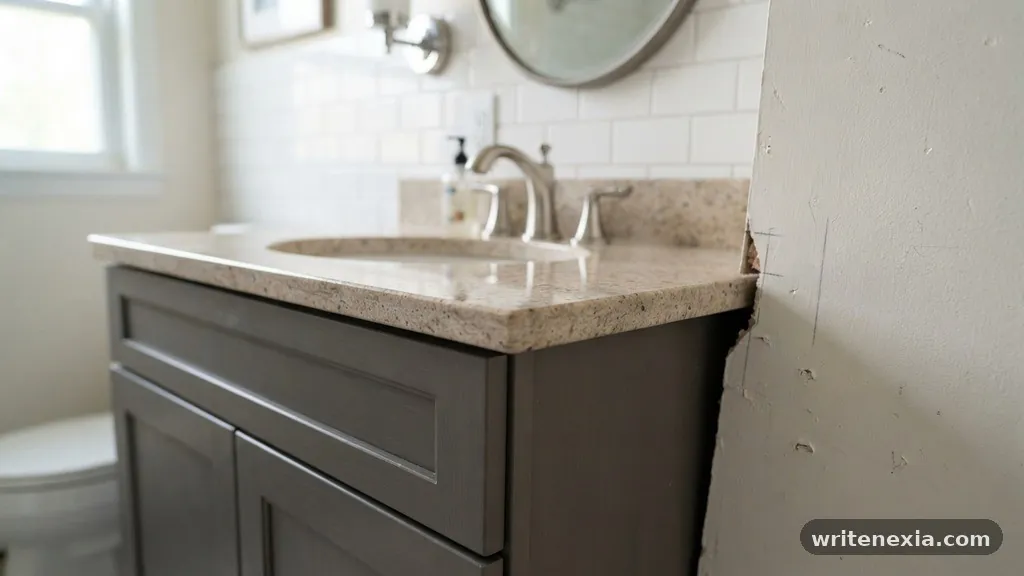
Walls in older homes are rarely perfectly square, which complicates the process of achieving a standard overhang. When you measure for a vanity top, it is common to find that the distance from the wall to the front of the cabinet varies by a quarter-inch or more. Professional installers use a process called templating to capture these irregularities. By creating a physical template of the space, they can scribe the stone to fit perfectly against the wall. This ensures that the overhang remains consistent across the entire length of the vanity, even if the wall is bowed.
Sink Placement and Edge Profiles
The placement of your sink within the vanity top also dictates how much space you have for an overhang. If you are using an undermount sink, you need to ensure there is enough room for the sink clips and the bowl itself without interfering with the cabinet walls. The edge profile you choose—whether it is a simple eased edge, a bullnose, or a more decorative ogee—can also affect how the overhang is perceived. A rounded bullnose profile often makes a 1-inch overhang look slightly smaller than a sharp, squared-off eased edge.
Managing Backsplash Requirements
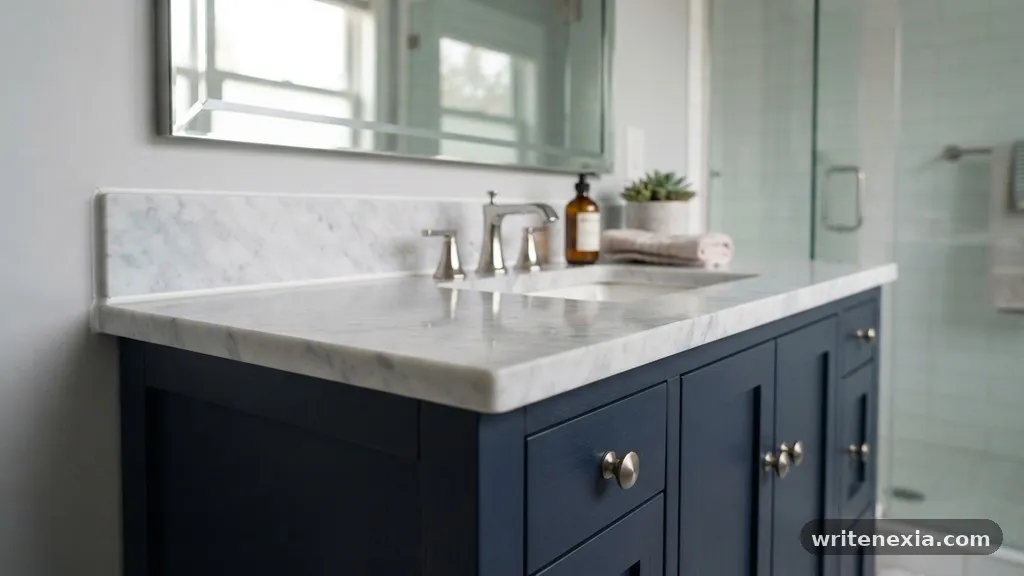
Many homeowners forget that the backsplash affects the total depth of the countertop. If you are installing a thick tile backsplash, it will push the vanity top forward, effectively increasing your front overhang if you don’t adjust the initial measurements. Always measure the depth of your vanity cabinet, add your desired front overhang, and then subtract the depth of your backsplash. This calculation ensures that your finished countertop depth is exactly what you planned. If you skip this step, you may end up with a vanity that sticks out further into the room than intended.
Common Mistakes to Avoid
One of the most frequent errors is failing to account for the thickness of the vanity hardware. Large, protruding drawer pulls can catch on clothing or towels if the countertop overhang is too shallow. Another mistake is assuming that all vanity tops are cut with the exact same dimensions regardless of the cabinet depth. Some modern, slim-profile vanities require a smaller overhang to maintain a sleek, contemporary aesthetic. Always double-check your cabinet specs against the stone slab dimensions before the final cut is made.
Necessary Tools for Measuring
To get these measurements right, you need the right tools. A high-quality metal tape measure is essential, as cloth versions can stretch and lead to inaccurate readings. A digital laser measure can be helpful for checking the distance between two walls, as it eliminates the potential for the tape to sag or bend. A framing square is also vital for ensuring that the corners of your vanity are truly at 90-degree angles. If your walls are not square, a contour gauge can help you transfer the exact shape of the wall to your template.
Frequently Asked Questions
Does the overhang include the backsplash?
No, the standard front and side overhang measurements are calculated independently of the backsplash. When you are measuring the total depth of your stone, you must add the front overhang to the cabinet depth and then factor in the space required for the backsplash at the rear.
Can I have a 2-inch overhang without extra support?
It is generally not recommended for stone materials like marble or granite. While some quartz varieties are stronger, a 2-inch extension creates a significant lever arm that can cause the material to crack under stress. If you desire a deeper look, use steel support brackets or corbels.
Is it okay to have no side overhang?
Yes, it is perfectly acceptable to have zero side overhang if the vanity is installed between two walls. This is often referred to as a “butted” installation. In these cases, you should use a bead of silicone caulk to seal the joint between the stone and the wall.
How do I measure for a vanity that isn’t square?
You should use a physical template made of luan or heavy cardboard to trace the exact shape of the wall and cabinet. This template allows you to scribe the stone edges to match the wall’s irregularities, ensuring a tight fit and a consistent, professional-looking overhang.
Does the sink shape affect the overhang?
The sink shape does not typically affect the overhang, but the sink size does. You must ensure that the bowl of the sink does not conflict with the cabinet walls or the vanity’s drawer assembly, which might limit how far back the sink can be positioned.
Conclusion
Achieving the correct dimensions for your vanity is a blend of technical accuracy and aesthetic preference. By sticking to the standard front and side overhang for a vanity countertop—typically 1 to 1.5 inches—you ensure that your bathroom remains both functional and visually balanced. Remember to account for variables like wall squareness, door thickness, and backsplash depth during your planning phase. Taking the time to measure carefully before ordering your stone will save you from costly modifications and installation headaches down the line. If you are ever in doubt, consult with a professional fabricator who can provide guidance based on the specific material you have selected for your home.
Related Posts
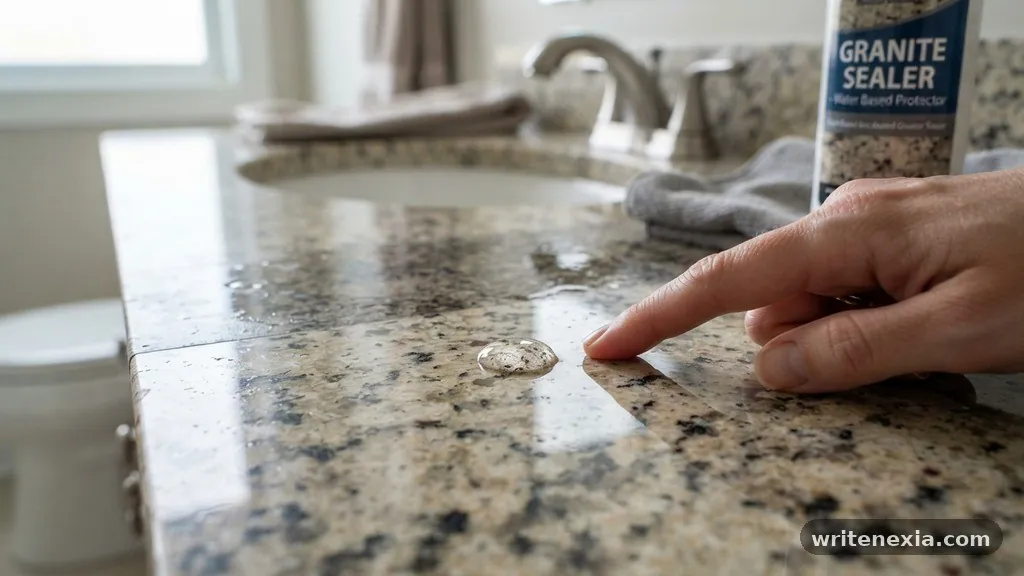
How to Re-Seal a Granite Vanity Top: Water Drop Test Explained
-
Posted by
snighatfatima99@gmail.com

Is Bar Keepers Friend Safe to Use on Quartz Bathroom Vanities?
-
Posted by
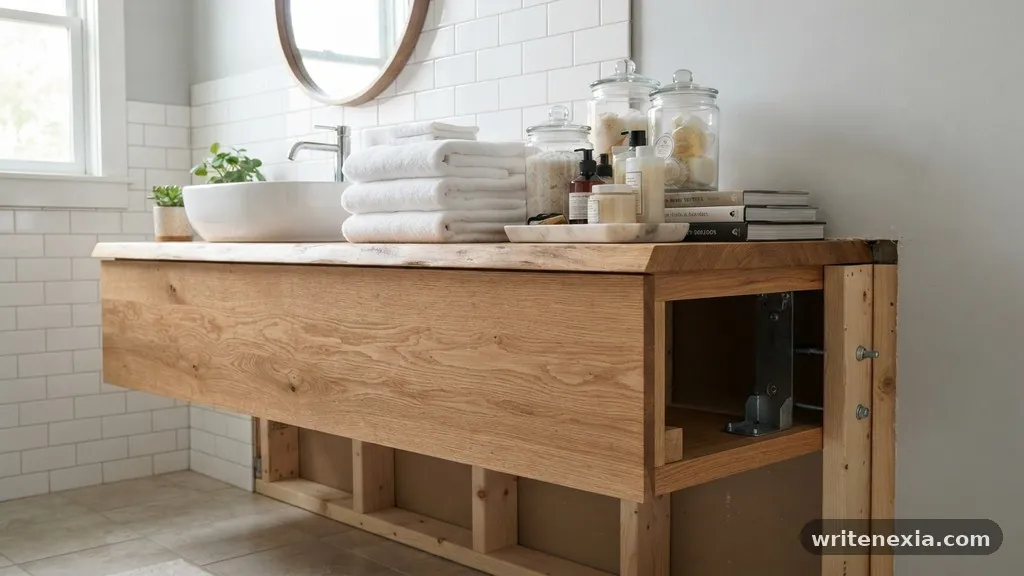
How Much Weight Can a Floating Vanity Countertop Support Without Brackets?
-
Posted by
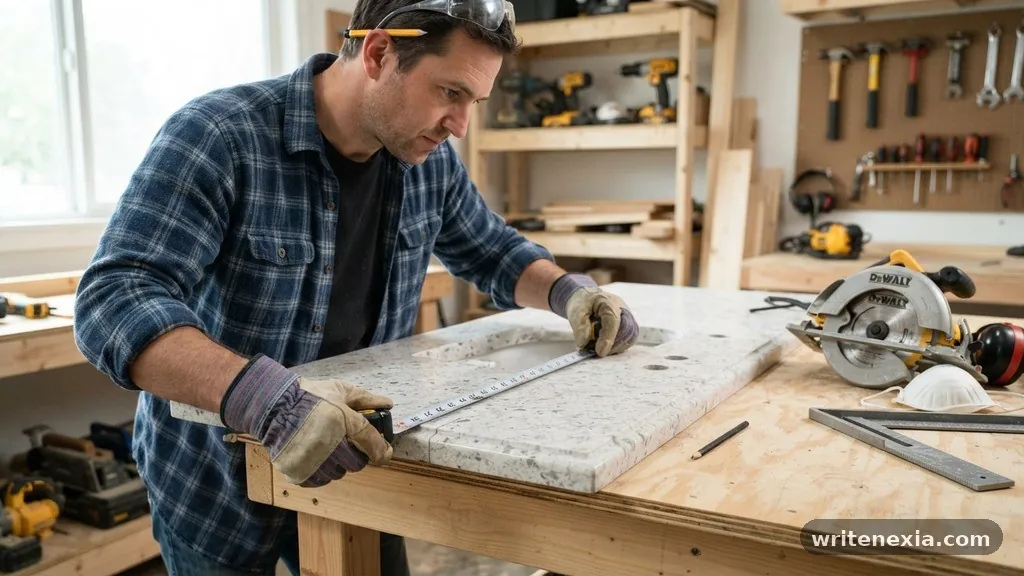
Can You Cut a Pre-Cut Vanity Top Down from 37 Inches to 35 Inches?
-
Posted by
Why Is Water Pooling Around the Faucet Base on Your New Vanity Top?
-
Posted by
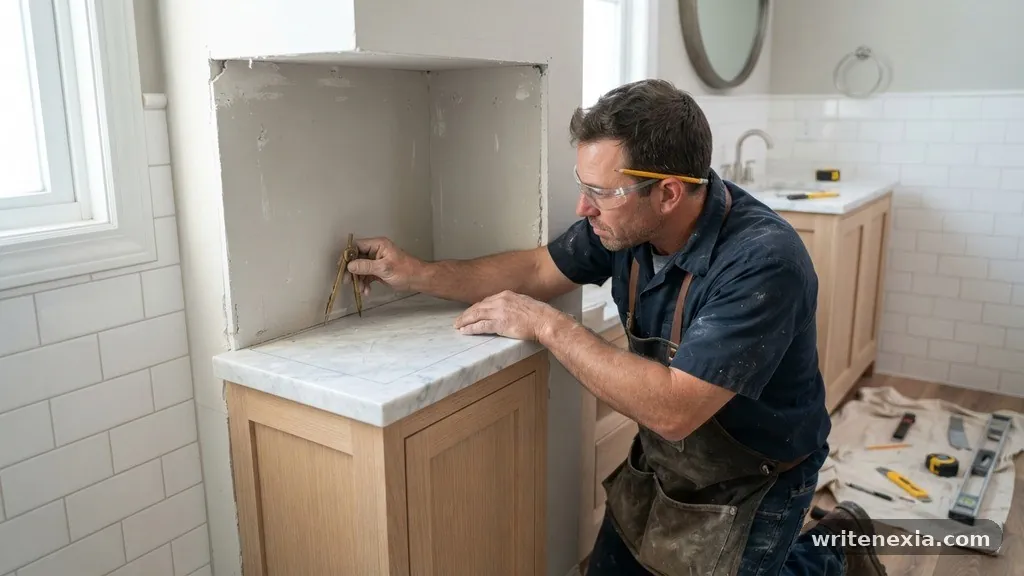
Scribing a Vanity Countertop to Fit Out-of-Square Alcove Drywall
-
Posted by

12 Bathroom Design Ideas
-
Posted by

11 Bathroom Ideas That Make Any Space Look Stylish and Expensive
-
Posted by
[url=https://remont-dvig124.ru]Ремонт двигателей[/url] — профессиональный ремонт и диагностика двигателей автомобилей.
Ремонт двигателя возвращает автомобилю надежность и стабильную работу.
Диагностические работы стартуют с компьютерной проверки и внешнего осмотра мотора.
Далее двигатель проверяют в работе на стенде либо непосредственно на автомобиле.
Плавный режим работы способствует корректной притирке новых деталей.
Росгвардия охрана объектов — это надежное решение для обеспечения безопасности вашей собственности, тарифы на вневедомственную охрану.
Деятельность Росгвардии обеспечивает защиту имущества и сохранность важных объектов по всей стране.
Росгвардия охрана объектов — это надежное решение для обеспечения безопасности вашей собственности, вневедомственная охрана услуги.
Деятельность Росгвардии обеспечивает защиту имущества и сохранность важных объектов по всей стране.
Росгвардия охрана объектов — это надежное решение для обеспечения безопасности вашей собственности, вневедомственная охрана Москва.
Ключевым элементом охраны являются современные системы видеонаблюдения и сигнализации, а также подготовленные охранники.
Росгвардия охрана объектов — это надежное решение для обеспечения безопасности вашей собственности, вневедомственная охрана московской области.
Работа Росгвардии включает в себя контроль за порядком и предотвращение правонарушений на объектах.
Росгвардия охрана объектов — это надежное решение для обеспечения безопасности вашей собственности, вневедомственная охрана цена.
В число охраняемых объектов входят предприятия инфраструктуры, правительственные здания и жилые комплексы.
Росгвардия охрана объектов — это надежное решение для обеспечения безопасности вашей собственности, росгвардия вневедомственная охрана росгвардии.
Все мероприятия по обеспечению безопасности проводятся по строгим стандартам и инструкциям Росгвардии.
Росгвардия охрана объектов — это надежное решение для обеспечения безопасности вашей собственности, вневедомственная охрана росгвардии.
Охрана объектов невозможна без регулярного контроля и профилактических мероприятий Росгвардии.
Росгвардия охрана объектов — это надежное решение для обеспечения безопасности вашей собственности, вневедомственная охрана росгвардии.
Для эффективной защиты используются современные технические средства и профессиональные кадры.
Росгвардия охрана объектов — это надежное решение для обеспечения безопасности вашей собственности, вневедомственная охрана росгвардии цена.
Охрана объектов невозможна без регулярного контроля и профилактических мероприятий Росгвардии.
Росгвардия охрана объектов — это надежное решение для обеспечения безопасности вашей собственности, росгвардия охрана объектов.
Правильная организация охраны способствует предотвращению преступных действий и нарушений.