

BLOG
Is Bar Keepers Friend Safe to Use on Quartz Bathroom Vanities?
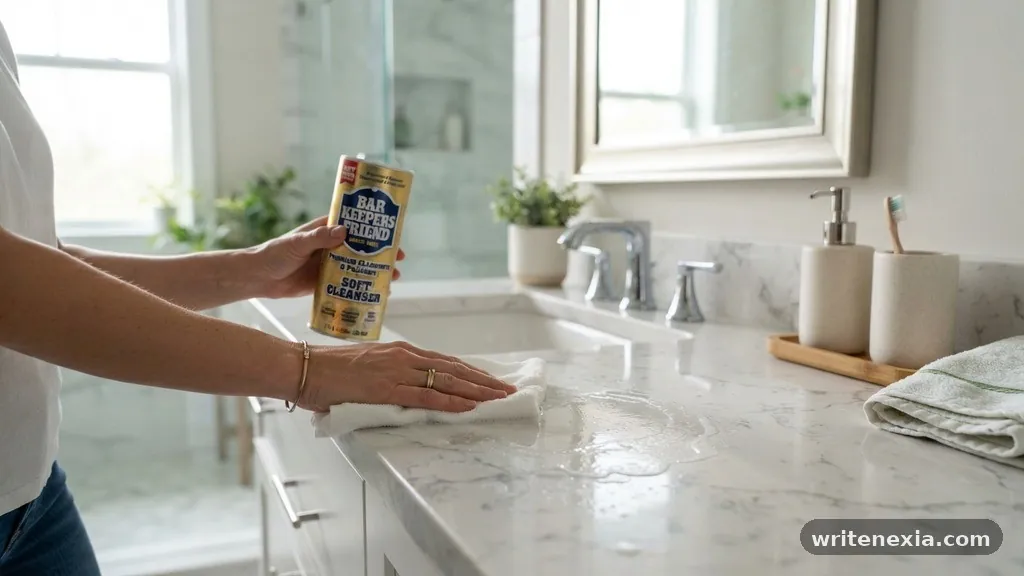
Determining whether Bar Keepers Friend is safe to use on quartz bathroom vanities is a common concern for homeowners looking to maintain their surfaces without causing permanent damage. Many people reach for this popular product because of its reputation for tackling tough grime in other areas of the house. However, quartz is a unique material that requires specific care protocols to remain in pristine condition.
Understanding the chemical composition of your vanity is the first step in protecting your investment. If you have ever wondered if your favorite scrubbing agent is compatible with engineered stone, you are in the right place to get the facts you need.
The short answer is that the original Bar Keepers Friend powder cleanser is generally not recommended for use on quartz bathroom vanities because it is abrasive. While it works wonders on stainless steel or porcelain, the physical grit in the powder can leave micro-scratches on the resin-based surface of quartz. These tiny abrasions dull the finish over time, making the countertop look cloudy or worn.
Using such a harsh product can permanently ruin the polished aesthetic you worked hard to achieve. Instead of relying on aggressive scouring agents, you should focus on pH-neutral cleaning solutions that preserve the integrity of the sealant and the stone itself.
Understanding the Composition of Quartz Surfaces
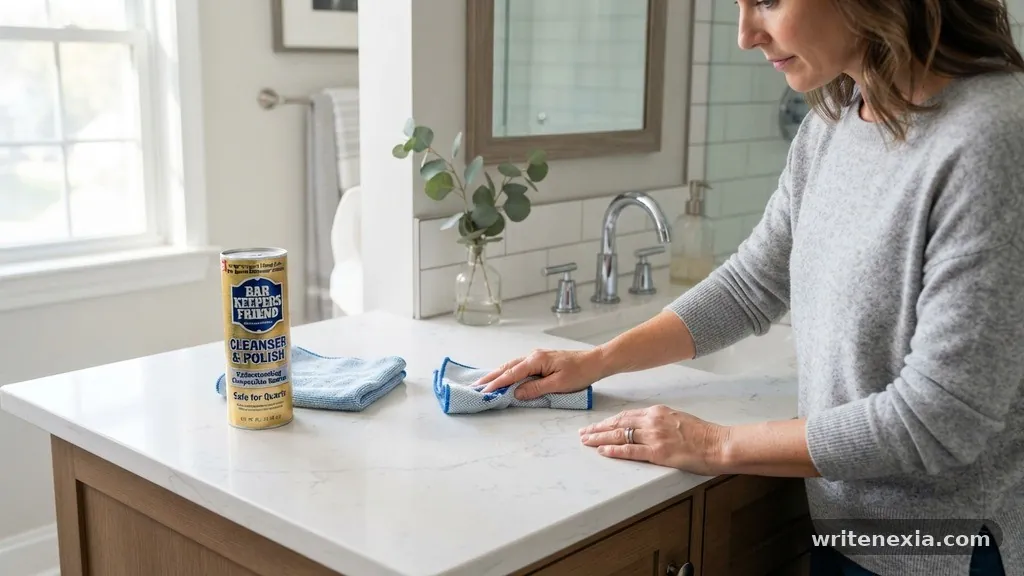
Quartz countertops are not entirely natural stone; they are engineered products. They consist of approximately 90% to 93% crushed quartz aggregate bound together by high-quality polymer resins and pigments.
This manufacturing process creates a non-porous surface that is highly resistant to staining and moisture. Because the resin acts as the glue holding the stone together, it is the most vulnerable part of your vanity.
Chemical cleaners that are too acidic or too alkaline can break down these resins. If the resin begins to degrade, the vanity loses its luster and becomes susceptible to deep stains.
Traditional scouring powders often contain minerals like feldspar or silica, which are harder than the resin binder. When you scrub, you are effectively sanding down the surface of your countertop.
Over time, this process creates a visible haze that cannot be buffed out easily. While the stone itself is hard, the finish is what gives the vanity its shine and smoothness.
Protecting that finish requires avoiding anything that relies on physical friction to lift stains. You should treat your quartz vanity more like a sensitive piece of furniture than a heavy-duty industrial sink.
Why Abrasive Cleansers Cause Damage
The primary mechanism behind Bar Keepers Friend is its ability to use mild acid and abrasive particles to remove rust and mineral deposits. On metal surfaces, this is a distinct advantage.
On quartz, however, the abrasives act like sandpaper. Even if the scratches are invisible to the naked eye at first, they accumulate with every cleaning session.
Once the surface is scratched, it becomes much easier for dirt and soap scum to settle into the grooves. You will find yourself needing to clean more frequently, which leads to more scrubbing and more damage.
This creates a cycle of degradation that eventually ruins the reflective quality of the quartz. Professional installers often warn against using any product labeled as a “scouring powder” on these specific surfaces.
Furthermore, the acidic nature of many heavy-duty cleaners can etch the surface. Etching is a chemical burn that creates dull spots where the polish has been eaten away.
Once a surface is etched, it often requires professional refinishing to restore the original appearance. Avoiding harsh chemicals altogether is the most cost-effective way to ensure your vanity lasts for decades.
Safe Alternatives for Daily Maintenance
Maintaining a clean vanity does not require heavy-duty chemistry. For daily spills and toothpaste residue, a simple mixture of warm water and a drop of mild dish soap is usually sufficient. Use a soft microfiber cloth to wipe the area, which prevents the scratching associated with rough sponges or steel wool.
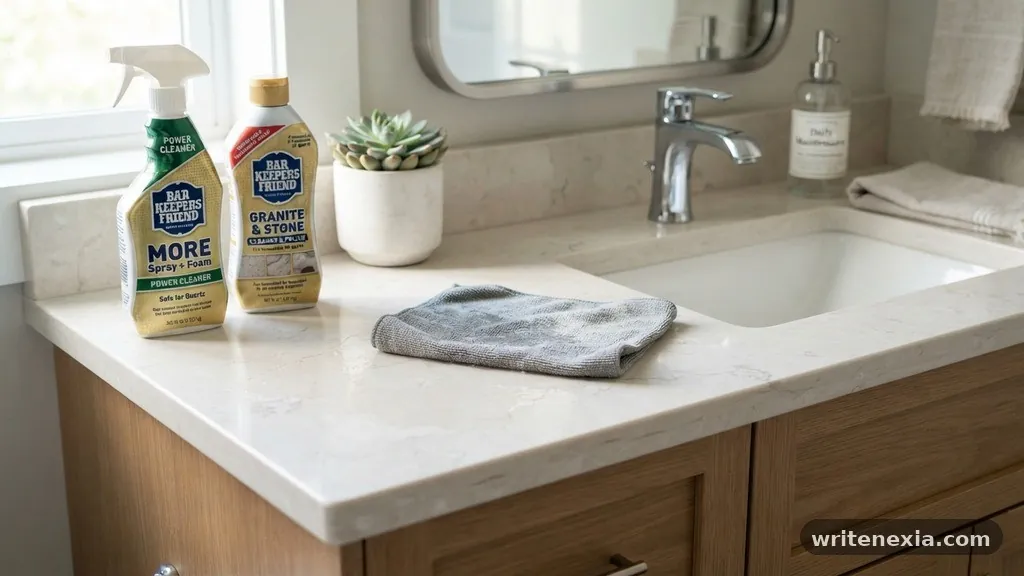
If you have stubborn spots, you can use a dedicated stone cleaner designed specifically for engineered stone. These products are formulated to be pH-neutral, meaning they won’t damage the resin or the stone aggregate. Many of these cleaners also leave behind a streak-free shine that enhances the natural beauty of the quartz.
Consistency is more important than strength when it comes to cleaning. By wiping down the vanity after every use, you prevent the buildup of soap scum and hard water deposits. This proactive approach eliminates the need for aggressive products in the future.
Comparing Common Cleaning Methods
To understand why some products are safer than others, it is helpful to look at how different cleaning agents interact with quartz. The following table provides a breakdown of common cleaning categories and their impact on your bathroom vanity.
| Cleaning Product Type | Safety Level | Impact on Quartz |
|---|---|---|
| Mild Dish Soap & Water | Excellent | Safe for daily use; no residue. |
| pH-Neutral Stone Cleaner | Excellent | Maintains polish; prevents buildup. |
| Vinegar or Lemon Juice | Poor | Acidic; can dull the finish over time. |
| Abrasive Powder Cleansers | Very Poor | Causes micro-scratches and dulling. |
| Bleach-based Cleaners | Poor | Risk of discoloration; harsh on resins. |
As indicated by the data, sticking to pH-neutral or mild soap-based cleaners is the gold standard. While vinegar is a popular natural cleaner, its acidity is high enough to damage the polished finish of quartz. Always prioritize products that explicitly state they are safe for engineered stone or natural stone.
Identifying the Correct Bar Keepers Friend Product
It is important to note that the company does manufacture a product line specifically for stone surfaces. If you are a fan of the brand’s performance, you should look for the “Granite & Stone Cleaner & Polish” version instead of the traditional powder. This specific iteration is formulated to be non-abrasive and pH-neutral.
Before applying any new product, always test it in an inconspicuous area. A good spot to choose is inside a cabinet or near the back corner of the vanity where it won’t be seen. Wait for the surface to dry completely before assessing if there is any change in the finish or color.
If the test area remains clear and glossy, you can proceed with confidence. However, if you notice any cloudiness, you should stop using the product immediately. Even among stone-safe cleaners, the chemical makeup can vary significantly between brands.
How to Remove Tough Stains Safely
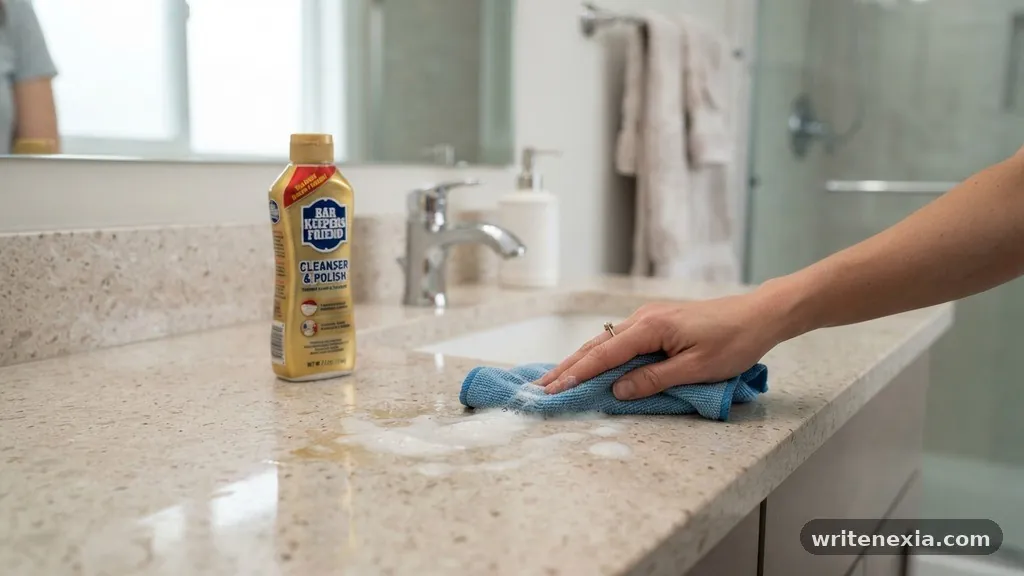
Sometimes, even with the best care, a stubborn stain like hair dye or makeup will settle into the surface. Instead of reaching for a scouring powder, try using an isopropyl alcohol solution. Apply a small amount to a soft cloth and gently blot the stain.
For dried-on materials like nail polish or adhesives, a plastic putty knife can be a safe tool. Because plastic is softer than quartz, it will not scratch the finish if used carefully. Avoid using metal scrapers or razor blades, as these can easily gouge the surface.
If the stain persists, contact the manufacturer of your quartz vanity. Many companies provide specific cleaning kits or recommendations for their particular brand of engineered stone. They have tested their surfaces against various agents and can offer the most accurate advice for your specific product.
The Risks of Ignoring Manufacturer Guidelines
Most quartz manufacturers include a care and maintenance guide with their products. These guides often explicitly forbid the use of abrasive cleansers or high-pH chemicals. Ignoring these instructions can void your warranty, which is a significant financial risk.
Warranties for high-end quartz are often valid for 10 to 15 years, provided the owner follows proper maintenance procedures. If you use a prohibited product and damage the surface, the manufacturer may deny a claim for repairs or replacement. It is always better to follow the recommended protocols to protect your rights as a consumer.
Furthermore, using the wrong cleaner can affect the appearance of the veining or patterns in your quartz. Some aggressive chemicals can cause pigments to shift or fade, leading to uneven coloration. Once the aesthetic is compromised, it is rarely reversible.
Essential Cleaning Supplies List
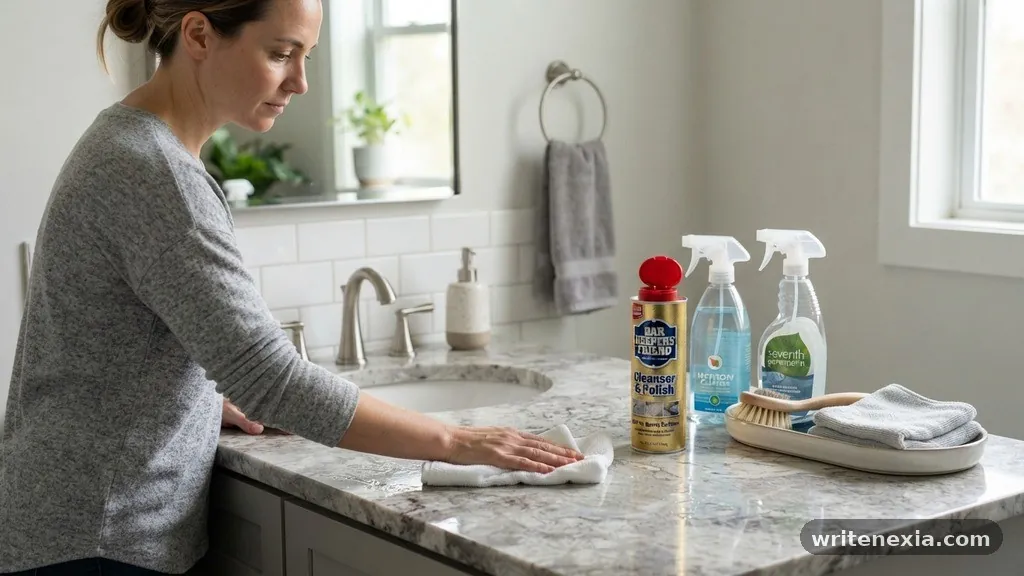
To keep your bathroom vanity in top shape, you should assemble a small kit of safe tools. Having these items on hand makes it easier to clean regularly without scrambling for the wrong supplies. Here is what you should keep under your sink:
- Microfiber cloths for gentle wiping and polishing.
- A spray bottle filled with a mixture of water and mild dish soap.
- A dedicated, pH-neutral stone cleaner for deep cleaning.
- Plastic scrapers for removing dried residue without scratching.
- Isopropyl alcohol for sanitizing and removing oily stains.
- A soft-bristled brush for cleaning around the faucet base.
Using these items will ensure your vanity remains as beautiful as the day it was installed. Avoid the temptation to use scouring pads, steel wool, or abrasive chemicals found in the kitchen cleaning cabinet. Your quartz vanity is a durable surface, but it is not indestructible.
The Importance of Proper Rinsing
Even when using safe cleaning agents, it is vital to rinse the surface thoroughly. Any soap residue left on the countertop can attract dust and dirt, leading to a grimy appearance. Use a clean, damp cloth to wipe away any leftover soap after you have finished cleaning.
Follow this by buffing the area with a dry, clean microfiber cloth. This step removes water spots and brings out the natural shine of the quartz. If you live in an area with hard water, this step is especially important to prevent mineral deposits from forming on your vanity.
Water quality can vary significantly, and some tap water contains high levels of calcium and magnesium. If you notice white spots appearing, these are likely mineral deposits. A quick wipe-down with a specialized stone cleaner can remove these before they become a persistent problem.
Frequently Asked Questions
Will Bar Keepers Friend scratch my quartz vanity?
Yes, the traditional powder version is abrasive and will likely cause micro-scratches on your quartz vanity over time. These scratches dull the finish and make the surface look cloudy or hazy. It is highly recommended to avoid using the powder cleanser on any engineered stone surfaces to maintain their original luster.
What is the best way to clean my quartz bathroom vanity?
The most effective and safest method for daily cleaning is using a mixture of warm water and a drop of mild dish soap. Use a soft microfiber cloth to wipe the surface and follow up with a dry cloth to prevent water spots. For more intensive cleaning, use a product specifically labeled for stone surfaces that is pH-neutral.
Can I use bleach on my quartz countertop?
Bleach is generally not recommended for quartz because it is harsh and can damage the resins that hold the stone together. It may cause discoloration or dulling of the finish, especially if left on for an extended period. Stick to mild soaps or dedicated stone cleaners to avoid long-term damage.
How do I remove stubborn stains from quartz?
For tough stains, you can try blotting the area with a small amount of isopropyl alcohol on a soft cloth. If the stain remains, use a plastic putty knife to gently scrape away any hardened debris. Never use metal tools or abrasive scouring powders, as these will permanently damage the surface finish.
Does the brand of quartz matter when choosing a cleaner?
While most quartz surfaces are similar in composition, some brands use different types of resins or additives. It is always wise to check the specific care guide provided by the manufacturer of your vanity. They will offer the most accurate advice regarding which cleaners are safe and which should be avoided to keep your warranty intact.
Maintaining Your Vanity for the Future
Keeping your bathroom vanity in excellent condition is a matter of choosing the right tools and being consistent with your routine. While it is tempting to use powerful household cleaners to save time, the damage they cause to quartz is often permanent. By avoiding abrasive products and focusing on gentle, pH-neutral solutions, you ensure that your vanity maintains its beauty and value.
Remember that the question of whether it is safe to use Bar Keepers Friend on quartz bathroom vanities is best answered with caution. While there are specific stone-safe versions of the product, the traditional powder is not suitable for your needs.
Stick to the recommended supplies, follow the manufacturer’s guidelines, and you will enjoy a pristine vanity for years to come. If you have questions about a specific stain or cleaning issue, don’t hesitate to reach out to a professional stone care specialist or the vanity manufacturer for tailored advice.
Related Posts
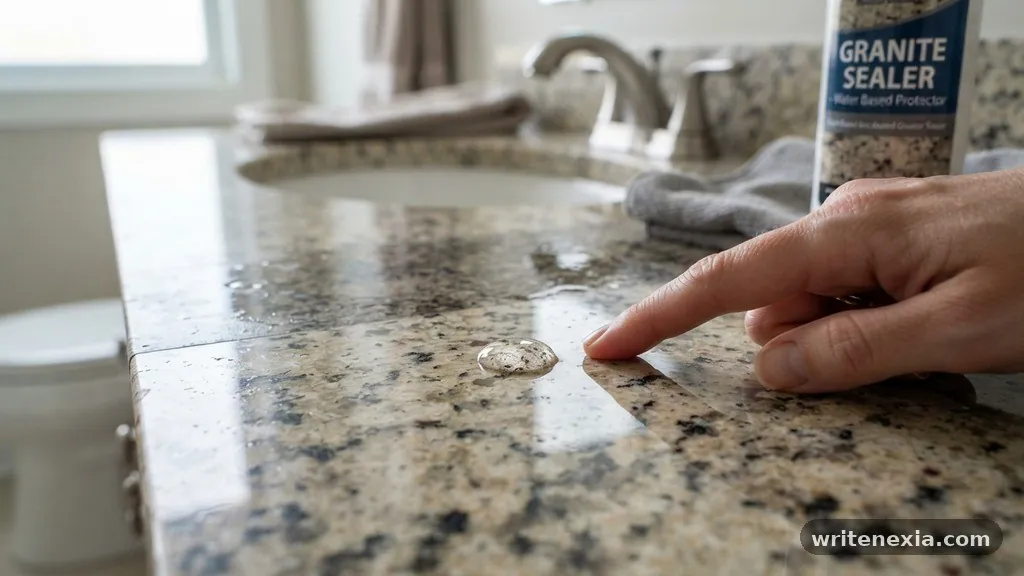
How to Re-Seal a Granite Vanity Top: Water Drop Test Explained
-
Posted by
snighatfatima99@gmail.com
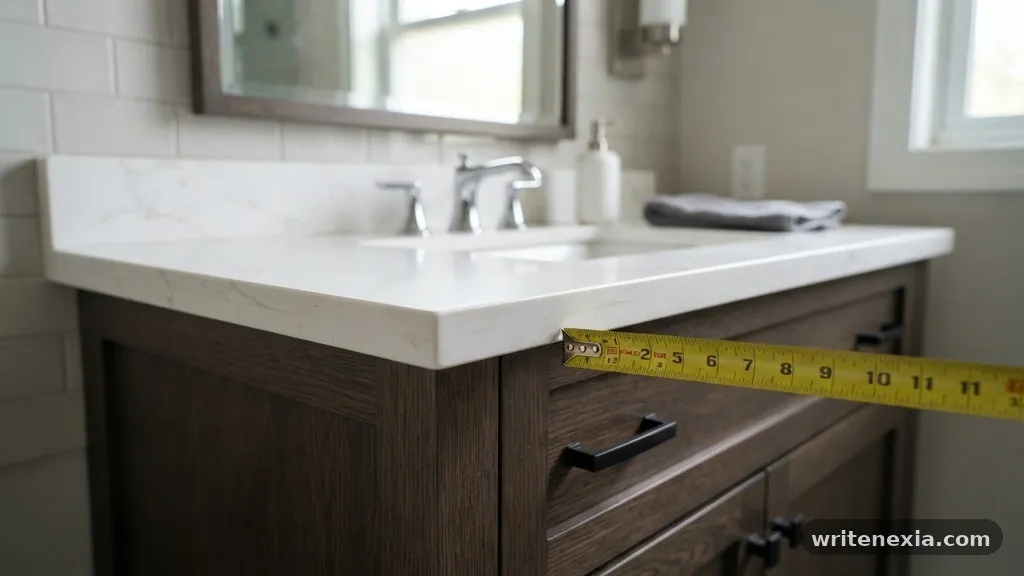
What Is the Standard Front and Side Overhang for a Vanity Countertop?
-
Posted by

Can You Cut a Pre-Cut Vanity Top Down from 37 Inches to 35 Inches?
-
Posted by
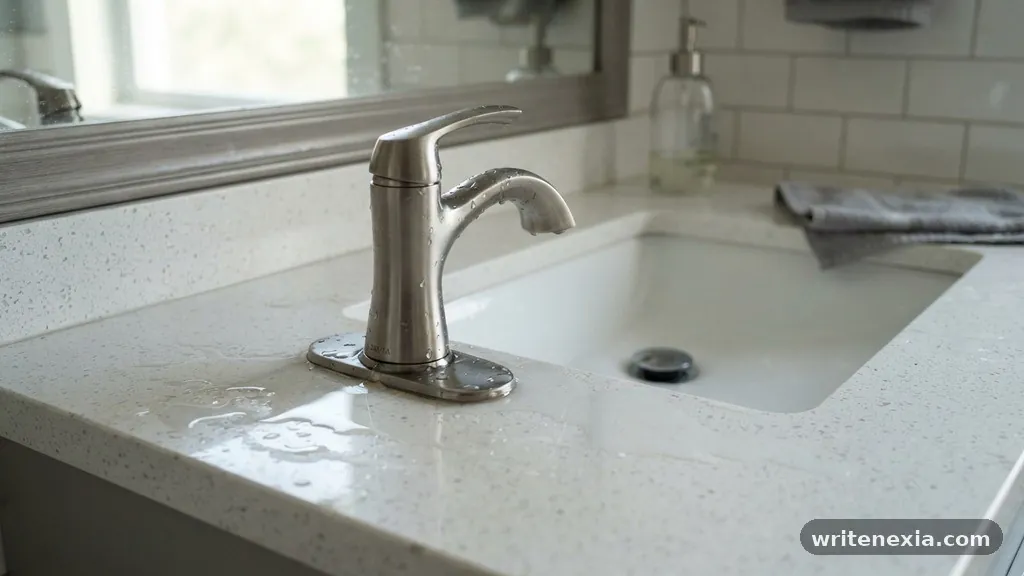
Why Is Water Pooling Around the Faucet Base on Your New Vanity Top?
-
Posted by