

BLOG
Should You Put a 4-Inch Backsplash Behind a Bathroom Vanity?
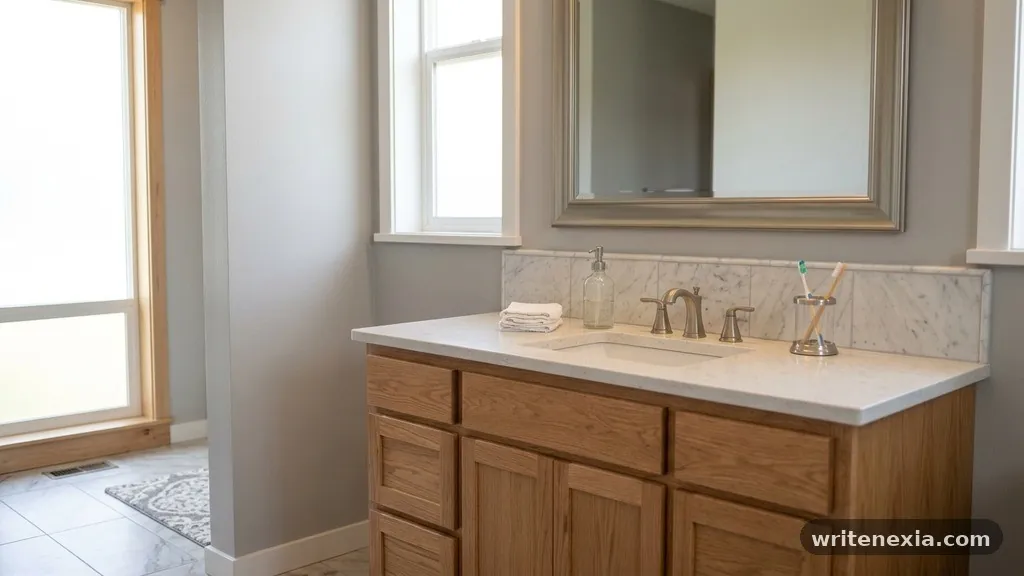
Deciding whether you should put a 4-inch backsplash behind a bathroom vanity involves balancing practical water protection against evolving aesthetic preferences. Many homeowners wonder if this standard height remains relevant or if it makes a space feel dated compared to modern, full-height wall treatments. While the 4-inch strip was once the default for almost every vanity installation, current design trends favor cleaner, more intentional looks.
Understanding the trade-offs between these design choices helps you make a decision that fits your style and your budget. By evaluating how your bathroom is actually used, you can determine if a 4-inch backsplash is the right choice for your specific vanity setup.
The short answer is that you do not need to install a 4-inch backsplash, though it remains a highly functional choice for high-traffic bathrooms. If your priority is protecting the wall from water splashes and soap residue, a 4-inch barrier provides a reliable, low-cost solution.
Many people choose to skip it entirely for a more modern, minimalist look, but this requires using high-quality, moisture-resistant paint or alternative wall coverings. If you decide to omit the backsplash, ensure your vanity is perfectly flush with the wall to avoid gaps where water can pool.
The Practical Benefits of a 4-Inch Backsplash

The primary argument for installing a 4-inch backsplash is simple: it works. Bathroom vanities, especially those used by children or in busy guest rooms, are prone to water splashing from the sink and countertop.
A 4-inch strip of matching countertop material creates a durable, non-porous barrier that prevents moisture from seeping into the drywall behind the sink. This is particularly critical if you have opted for a standard drywall finish rather than a specialized moisture-resistant board.
Most vanity manufacturers include a matching backsplash piece with their stone or quartz tops because it is a proven design standard. This piece acts as a protective shield for the vulnerable seam where the countertop meets the wall.
Without it, you are relying solely on a line of silicone caulk to keep water out of your wall cavity. Over time, caulk can crack or peel, leading to potential mold growth or structural damage inside the wall.
Another advantage is the ease of cleaning that a hard surface provides. When you splash toothpaste or soapy water against the wall, a stone or quartz backsplash wipes clean with a damp cloth.
Painted walls are significantly harder to scrub without wearing down the finish or risking water absorption. If you have a busy household, this functional benefit often outweighs the desire for a purely minimalist aesthetic.
Why Modern Design Trends Are Shifting
Designers are increasingly moving away from the 4-inch backsplash because it can create a visual “break” in the wall. When you look at a bathroom, a 4-inch strip of stone often draws the eye horizontally, which can make a small room feel slightly chopped up.
This is especially true if the backsplash material contrasts sharply with the wall color. Many modern bathrooms now aim for a seamless, continuous look that flows from the floor to the ceiling.
One popular alternative is the full-height backsplash, where tile or stone runs all the way from the countertop to the underside of the mirror or medicine cabinet. This approach creates a high-end, custom look that feels much more intentional than a small, pre-cut strip. While this costs more due to the additional material and labor, it provides superior protection and a much more polished finish.
There is also a growing preference for “floating” or minimalist vanities that don’t use any backsplash at all. In these cases, the wall is typically treated with high-gloss paint or waterproof wallpaper to handle the moisture.
This look is very popular in powder rooms where sink usage is light and the focus is purely on decorative elements. However, this choice is less practical for a main family bathroom where heavy daily use is expected.
Evaluating Materials for Your Backsplash
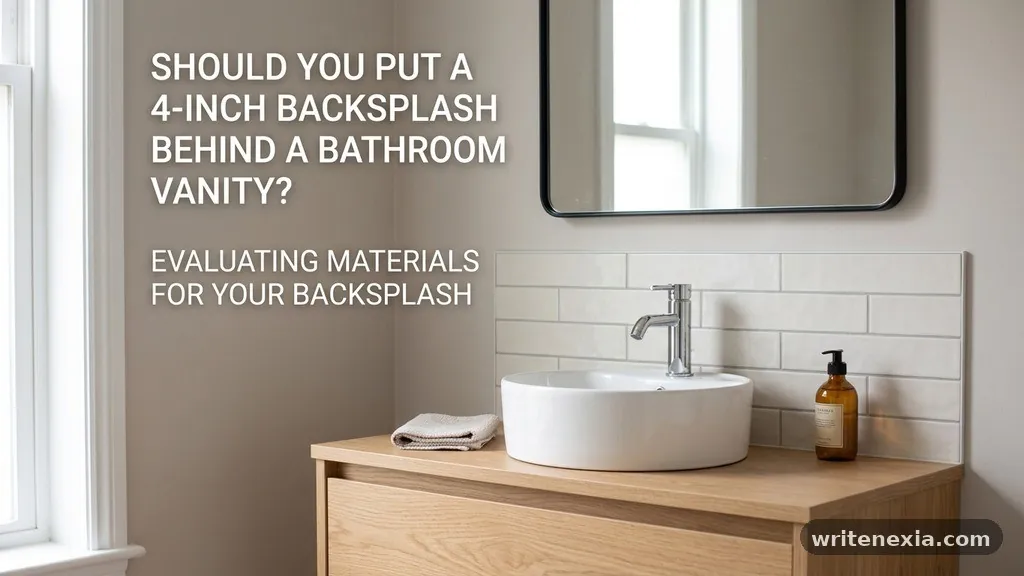
The material you choose for your vanity top often dictates whether a 4-inch backsplash is necessary. If you are using natural stone like marble or granite, the matching backsplash is usually cut from the same slab.
This creates a cohesive look and ensures the color and veining are perfectly aligned. Because these materials are heavy and expensive, using a 4-inch strip is an efficient way to protect the wall without buying an entire extra slab of stone.
Engineered quartz has become the most popular choice for modern bathrooms because it is non-porous and incredibly durable. Quartz manufacturers often provide matching 4-inch side and backsplashes as part of the vanity kit.
Because quartz is uniform in color, these pieces look like an integrated part of the design. If you choose to go without a backsplash, quartz is still a great choice because it is easy to maintain.
If you decide against a stone backsplash, you might consider using tiles instead. Glass, ceramic, or porcelain tiles offer endless opportunities to add color and texture to your bathroom.
A mosaic pattern or a large-format subway tile can be used to create a backsplash that is taller than 4 inches but shorter than full-height. This middle-ground approach allows you to express your personal style while still providing the protection your wall needs.
Comparing Installation Methods and Costs
The cost of your backsplash depends heavily on the material and whether you are installing it as part of a vanity set or as a custom project. Prefabricated vanity sets almost always include a 4-inch backsplash in the box, meaning the cost is already built into your purchase. Installing this piece is a simple process that involves applying a bead of silicone sealant and pressing the stone against the wall.
Custom fabrication is a different story entirely. If you are working with a stone fabricator, they will charge you by the square foot for the material and the labor to cut and polish the edges.
A 4-inch strip is relatively inexpensive, but a full-height tile backsplash requires professional installation. You will need to account for thin-set mortar, grout, and the time required to level and space the tiles.
To help visualize the differences, consider this comparison of common backsplash approaches:
| Approach | Installation Complexity | Moisture Resistance | Aesthetic Style |
|---|---|---|---|
| 4-inch Matching Stone | Low | High | Traditional |
| Full-Height Tile | High | Very High | Modern/Luxury |
| No Backsplash | None | Low | Minimalist |
| Small Tile Strip (2-3 inches) | Medium | Medium | Custom/Decorative |
The Role of Grout in Bathroom Maintenance

When you opt for a tile backsplash instead of a solid piece of stone, you introduce grout into the equation. Grout is a porous material that requires regular cleaning and periodic sealing to prevent staining and mold growth.
In a bathroom environment, where humidity levels are consistently high, choosing the right grout is essential. Epoxy grout is often recommended for bathrooms because it is waterproof and does not require sealing.
If you choose a traditional sanded or unsanded grout, be prepared to perform more frequent maintenance. Over time, grout lines can discolor, especially behind a sink where they are constantly exposed to water and cleaning products.
This is one reason why many people prefer a solid 4-inch stone backsplash; there is simply no grout line to clean. A solid surface is much more forgiving in a busy, high-use room.
If you love the look of tile but hate the idea of scrubbing grout, consider using large-format tiles. Fewer tiles mean fewer grout lines, which drastically reduces the amount of cleaning required.
You can also use a darker grout color to hide potential staining, though this will make the grid pattern of the tiles more prominent. Regardless of your choice, ensure the junction where the tile meets the countertop is caulked with high-quality silicone.
Should You Use Side Splashes?
A question that often accompanies the backsplash debate is whether you should also install side splashes. A side splash is simply a 4-inch piece that runs along the side of the vanity where it meets a side wall.
These are essential if your vanity is tucked into a corner, as the side wall is just as susceptible to water damage as the back wall. Without a side splash, water will inevitably find its way into the gap between the vanity and the wall.
If your vanity is freestanding and not touching any side walls, you do not need side splashes. In fact, adding them to a freestanding vanity can make the piece look cluttered and unfinished.
Side splashes are strictly a functional item designed to bridge the gap between the vanity cabinet and the wall. If your vanity is custom-fitted and perfectly flush against the wall, you might be able to skip the side splash, but this is rare in older homes with uneven walls.
When installing side splashes, ensure they are properly sealed to the wall and the countertop. Because they are in a high-visibility area, the quality of the caulk job is very important.
Use a clear or color-matched silicone to ensure the seal is as invisible as possible. If you are using a stone vanity top, the fabricator can usually provide side splashes that match the thickness and edge profile of your backsplash.
Common Mistakes to Avoid
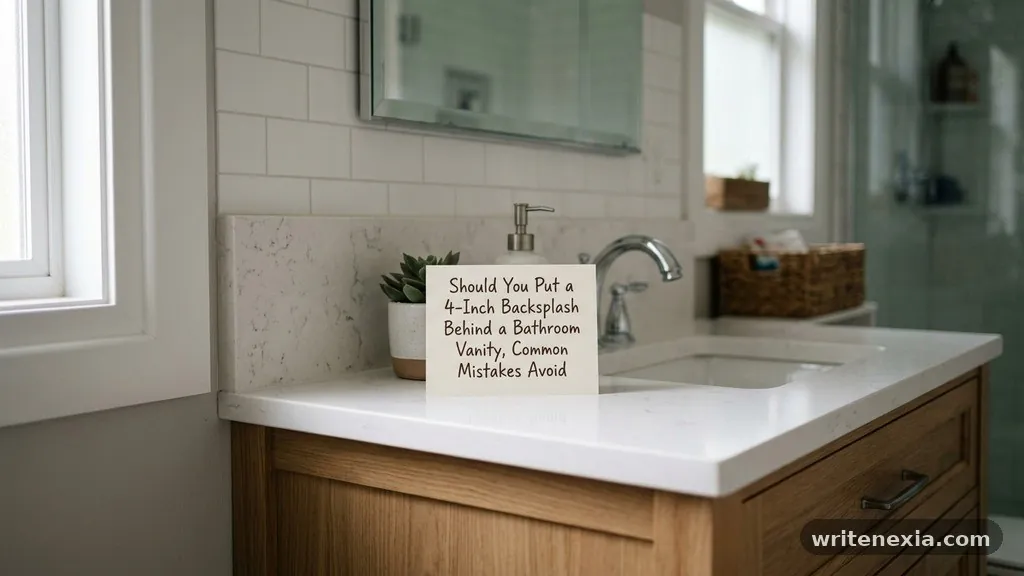
One of the most common mistakes is failing to account for the thickness of the backsplash when measuring for your vanity. If you have a tight space, even a 1/2-inch thick stone backsplash can cause fitment issues with drawers or medicine cabinets.
Always measure your available space carefully before ordering your vanity and backsplash materials. If you are working with a small, cramped bathroom, ensure your mirror or cabinet placement allows for the added depth of the backsplash.
Another mistake is using the wrong type of sealant. Never use standard acrylic caulk in a bathroom, as it will break down quickly when exposed to water.
Always use 100% silicone sealant, which is designed to remain flexible and waterproof over time. If you are working with natural stone, ensure your silicone is “stone-safe” to prevent the chemicals in the sealant from staining the porous surface of the stone.
Finally, do not underestimate the importance of wall preparation. If your walls are not perfectly plumb or level, your backsplash will leave unsightly gaps.
You may need to use a scribe or a filler strip to ensure the backsplash sits flush against the wall. A professional installer will often shim the vanity cabinet itself to ensure it is level, which makes the backsplash installation much cleaner.
How to Choose the Right Look for Your Home
Your decision should ultimately reflect the style of your home and your personal tolerance for maintenance. If you live in a historic home with traditional design elements, a 4-inch stone backsplash is a classic choice that fits perfectly.
It provides the necessary protection while maintaining the architectural integrity of the space. You can easily update the look by changing the vanity hardware or the light fixtures.
If you are renovating a modern or contemporary home, you have more freedom to experiment. A full-height tile backsplash or a dramatic slab of natural stone can serve as a focal point in the room.
You can also explore options like tempered glass or even polished concrete for a more industrial feel. The key is to choose a material that can withstand the moisture of a bathroom while still aligning with your overall design vision.
If you are unsure which direction to take, start by looking at your current bathroom and identifying the “pain points.” Do you find yourself constantly wiping water off the walls? Is your current paint peeling or showing signs of water damage?
If the answer is yes, prioritize function over form and go with a 4-inch backsplash or a taller tile treatment. You can find inspiration and design tips through resources like the National Kitchen & Bath Association, which offers guidance on standard industry practices.
FAQ: Common Questions About Backsplashes
Is a 4-inch backsplash considered outdated?
While some designers push for full-height tile, the 4-inch backsplash is not “outdated” in a functional sense. It remains the standard for most vanity manufacturers because it is a reliable, cost-effective solution for protecting drywall. If your bathroom design is traditional or transitional, a 4-inch strip of matching stone will look perfectly at home and well-integrated.
Do I need a backsplash if I have a wall-mounted faucet?
Yes, a backsplash is even more important with a wall-mounted faucet. Because the faucet is mounted directly into the wall, water is more likely to splash against the wall surface near the spout. A protective barrier is essential to prevent water from seeping into the wall cavity around the faucet plumbing.
Can I paint over a backsplash instead of removing it?
You can paint over a stone or tile backsplash, but the results are rarely satisfactory. Paint will eventually peel due to the high moisture levels and the lack of a proper bond to the slick surface of the stone or tile. If you dislike the look of your existing backsplash, it is much better to remove it and replace it with a material you prefer.
How do I remove an old 4-inch backsplash?
To remove an old backsplash, use a utility knife to cut through the silicone caulk along the top and bottom edges. Gently pry the stone away from the wall using a flat-head screwdriver or a pry bar, taking care not to damage the drywall behind it. Once removed, scrape away the remaining caulk and patch any holes in the drywall before installing your new surface.
Can I mix different materials for the countertop and backsplash?
Yes, mixing materials is a great way to add character to your bathroom. For example, you can pair a quartz countertop with a marble or glass tile backsplash. Just ensure the materials are compatible in terms of their physical properties and that the transition between the two is properly sealed.
Conclusion
Deciding whether you should put a 4-inch backsplash behind a bathroom vanity is a choice that balances daily practicality with your desired aesthetic. While modern design trends often lean toward full-height tile or minimalist wall treatments, the classic 4-inch strip remains a highly effective and budget-friendly way to protect your walls from moisture. If you prioritize function and ease of maintenance, a matching stone or quartz backsplash is a reliable choice that will stand the test of time.
If you prefer a more custom or high-end look, consider investing in tile or a full-height stone treatment that creates a seamless flow. Regardless of the style you choose, the most important factor is ensuring that the junction between your vanity and the wall is properly sealed to prevent water damage. Take your time to select materials that suit your lifestyle, and you will enjoy a beautiful, functional bathroom for years to come.
Related Posts
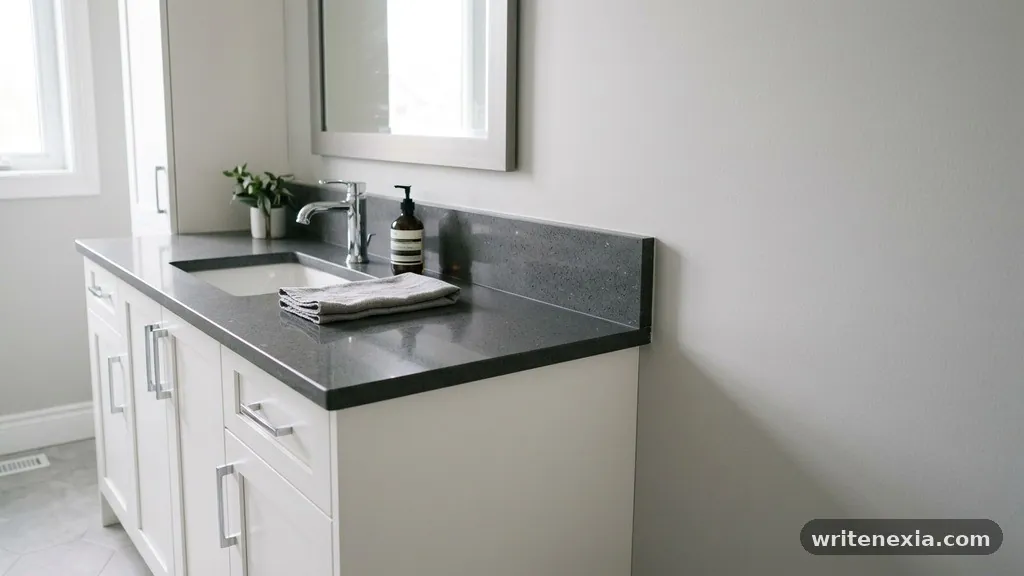
Do You Need a Side Splash Where the Vanity Meets the Drywall?
-
Posted by
snighatfatima99@gmail.com
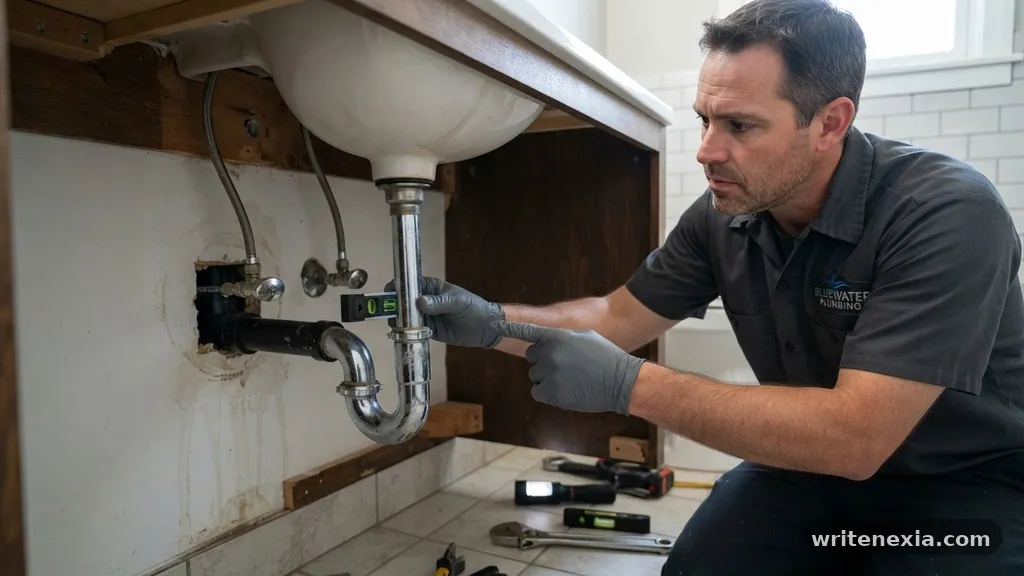
What to Do If the Bathroom Faucet Drain Hole Is Cut Too Close to the Wall
-
Posted by
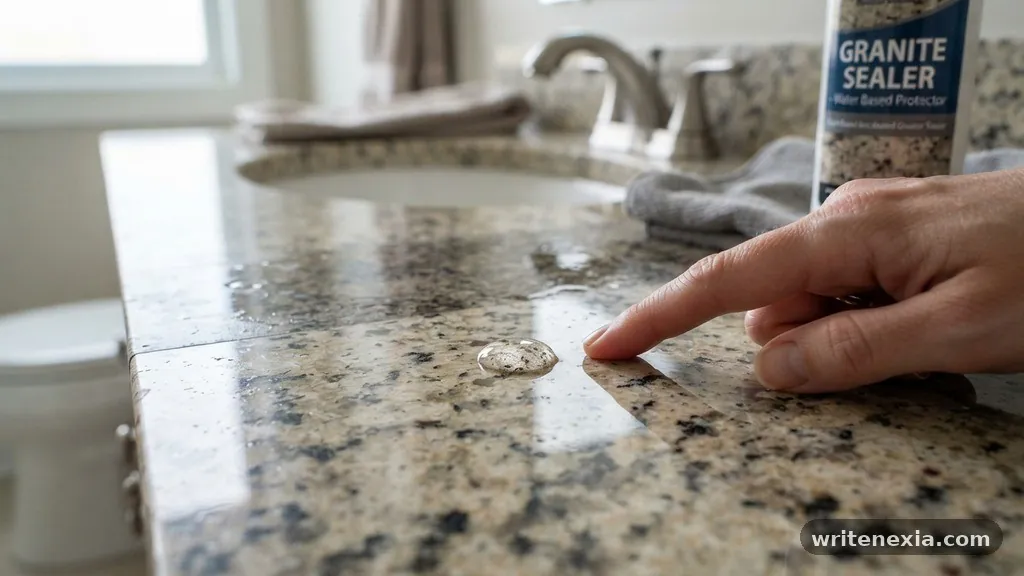
How to Re-Seal a Granite Vanity Top: Water Drop Test Explained
-
Posted by
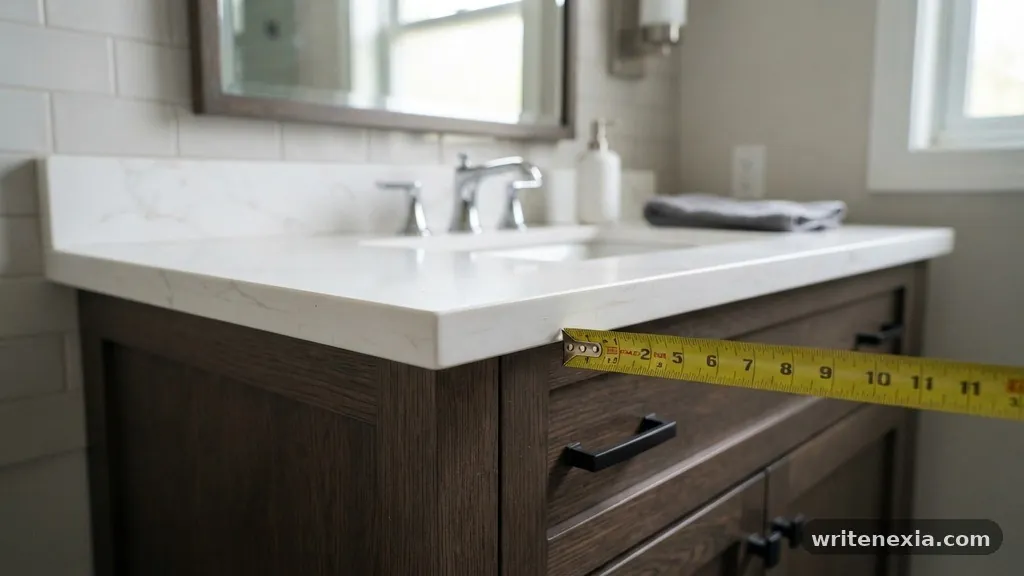
What Is the Standard Front and Side Overhang for a Vanity Countertop?
-
Posted by
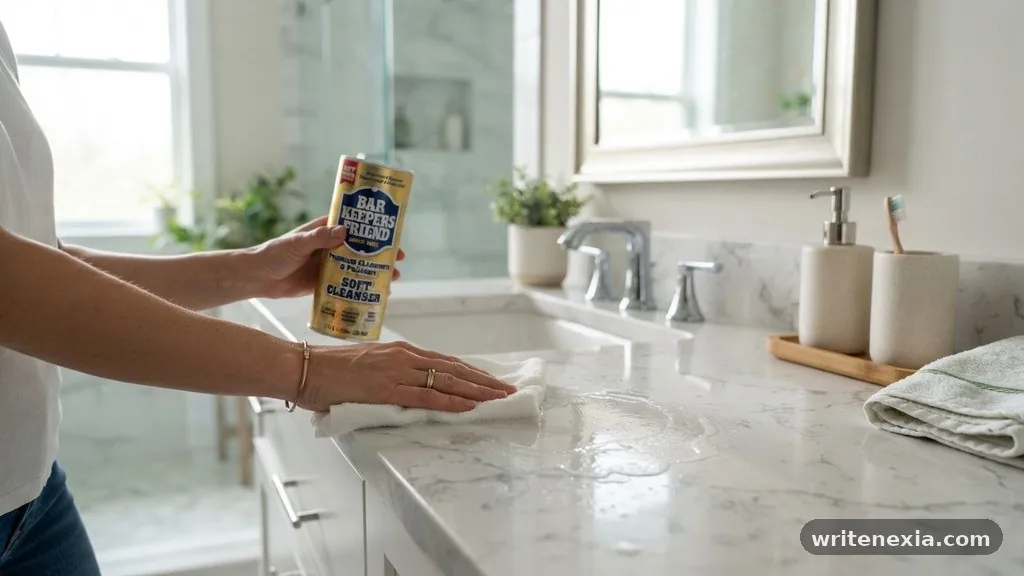
Is Bar Keepers Friend Safe to Use on Quartz Bathroom Vanities?
-
Posted by
How Much Weight Can a Floating Vanity Countertop Support Without Brackets?
-
Posted by
Can You Cut a Pre-Cut Vanity Top Down from 37 Inches to 35 Inches?
-
Posted by
Why Is Water Pooling Around the Faucet Base on Your New Vanity Top?
-
Posted by